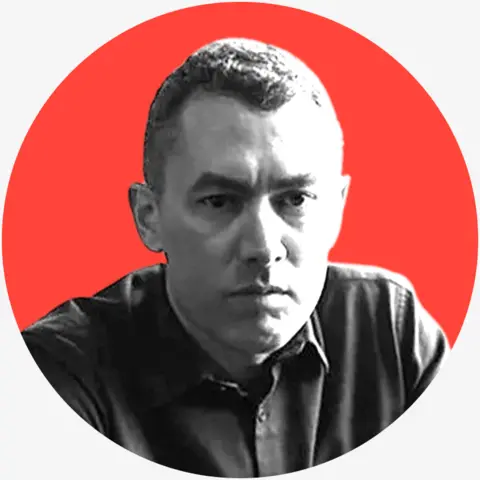
The International Criminal Court’s chief prosecutor, Karim Khan, has been suspended with immediate effect while a formal investigation into allegations of sexual misconduct and abuse of authority proceeds. The decision was made by a committee within the court’s management oversight body and referred the matter to the 125‑member state council.
The states will vote on Khan’s future in a special session that is expected to convene as soon as possible. The oversight bureau emphasized that the suspension does not prejudice the outcome of the case. Khan has denied all allegations and his lawyers claim the decision is unlawful, procedurally unfair and unsupported by evidence.
The allegations first surfaced in May 2024 when a third party reported that Khan had involved himself in sexual misconduct with a female staff member. An investigation by the court’s Independent Oversight Mechanism (IOM) initially concluded the case but was later closed after the alleged victim declined to participate. Critics argued the inquiry was mishandled and eroded confidence in the IOM.
In October 2024 a second referral was made and the matter was transferred to the United Nations Office of Internal Oversight Services (OIOS). The OIOS review produced more than 5,000 pages of evidence and testimony and was followed by a panel of three judges who advised on the seriousness of the alleged misconduct.
A two‑thirds majority of member states is required to uphold any finding, followed by a separate vote on whether to remove Khan from office. The circumstances surrounding the investigation have coincided with heightened political tensions over the ICC, including U.S. sanctions that target Khan and other ICC officials for his pursuit of arrest warrants against Israeli leaders.
If the Administrative Steering Panel elects to remove him, Khan can challenge the decision before the International Labour Organization’s Administrative Tribunal, potentially leading to a protracted legal battle and claims of compensation if procedural defects are found.
The case illustrates the challenges international institutions face when allegations of misconduct involve high-profile officials and how political and procedural factors can influence both perception and outcome.