In brief
With the federal government shutdown nearing a month, critical programs, including food assistance and child services, are facing severe funding issues. SNAP, which supports millions, is at risk of halting payments, and service members may miss paychecks. As Congress struggles to reach a funding agreement, states and local programs are under pressure to find solutions amid dwindling resources.
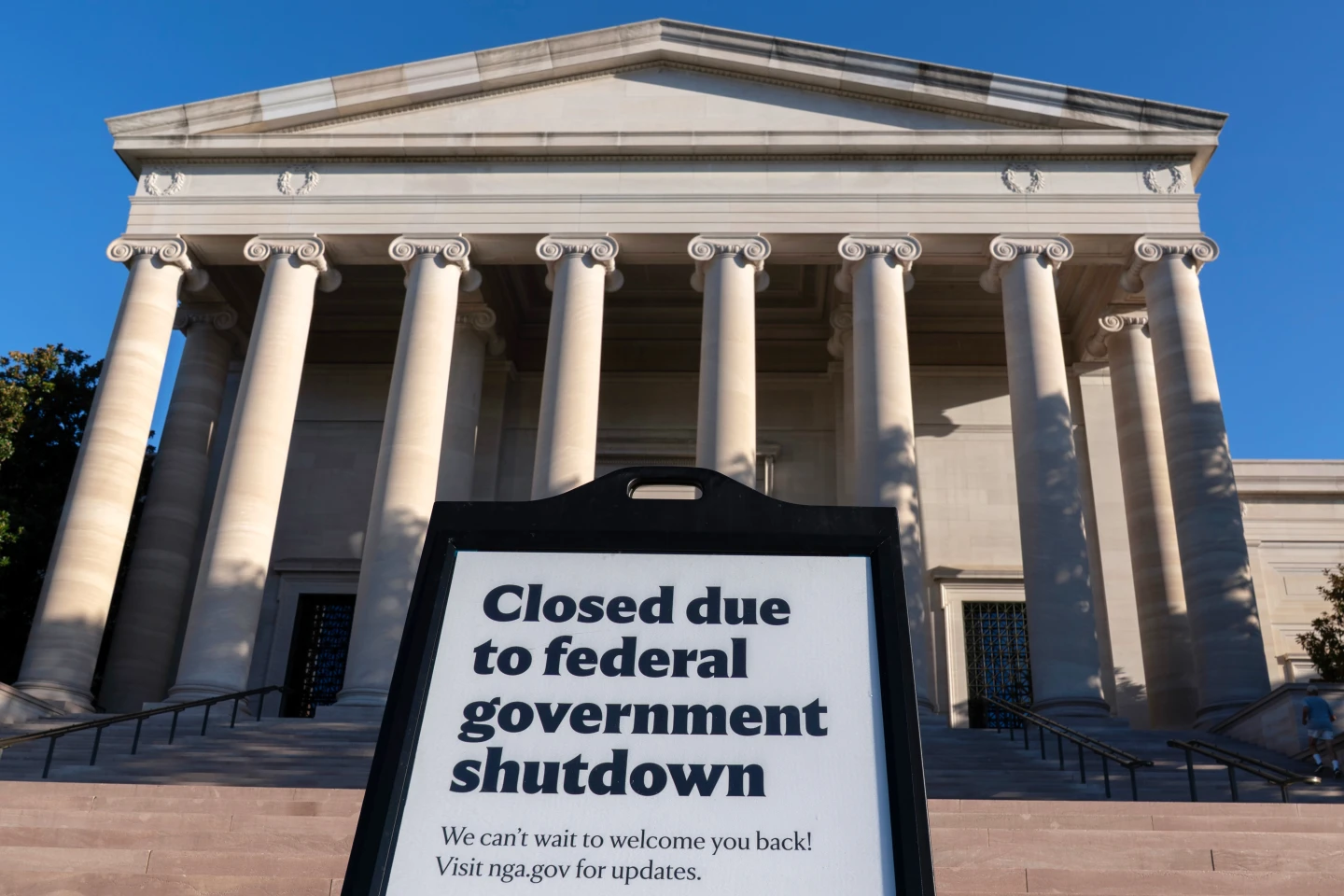
The federal government shutdown is approaching its one-month milestone, significantly impacting various assistance programs for millions of Americans. As federal funding remains stalled, states are scrambling to find ways to mitigate shortfalls in critical services, such as food security and child development support. Moreover, active-duty military personnel are on the verge of missing their paychecks for the first time this month.
One of the most immediate concerns is the probable lapse of funding for the Supplemental Nutrition Assistance Program (SNAP), which helps 42 million Americans by supplementing their grocery bills. The Trump administration has ruled out using over $5 billion in contingency funds to keep SNAP operational through November, causing serious implications for the 1 in 8 Americans who rely on it for purchasing groceries.
While some states have committed to maintaining benefits even if federal payments stop, they may face significant financial fallout as the federal government will not reimburse them for covering these costs. Simultaneously, flooding into federal child assistance programs like WIC, which serves more than 6 million pregnant and postpartum women and young children, threatens to run out soon despite previous emergency funds.
In addition to vulnerable families, the nation’s 1.3 million active-duty service members may be affected when it comes to payroll—earlier shifts of funds allowed them to be paid temporarily, but uncertainty looms over future financial support. To alleviate this, the Pentagon accepted an anonymous $130 million donation intended to assist with military payroll, yet this constitutes only a fraction of the necessary funds.
As we move to the weekend, various Head Start preschool programs are also on high alert with the clock ticking down to potential funding lapses set for November 1. About 65,000 children enrolled in these programs might lose access to vital educational services if the shutdown persists, and centers are exhaustively attempting to find alternative funding sources.
As we approach the opening window for Affordable Care Act health plans, there’s further confusion. Traditional precursors showing anticipated healthcare options have been replaced by outdated information, complicating such vital decisions for prospective enrollees. Overall, the current shutdown poses an intricate blend of challenges across multiple sectors of society, demonstrating the cascading repercussions of deferred federal funding.