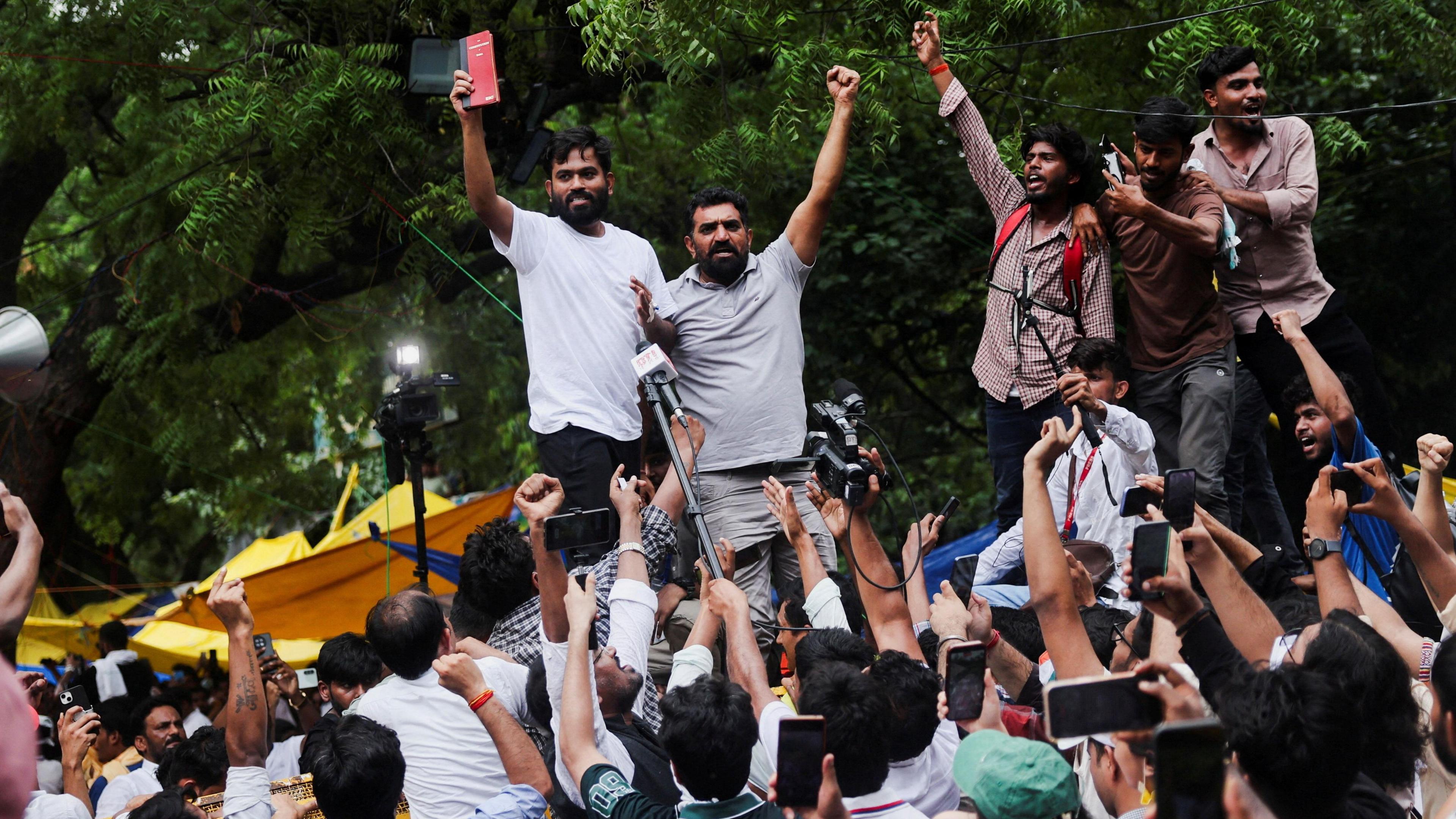
India’s Cockroach Janta Party, a satirical movement that grew out of a viral social‑media meme, called off its five‑week rally after Education Minister Dharmendra Pradhan announced his resignation on X in Hindi. The protest, which had become the most visible sign of public anger against the Modi government, had drawn over a million people to Jantar Mantar. The decision was hailed by thousands of supporters as a win for democracy.
The movement was born after a chief justice’s remark about young people with fake degrees, which a group of activists turned into a symbol of resilience. The CJP’s mascot, an AI‑generated cockroach, became an emblem for students demanding reform in exam regulation and transparency. When police officers used batons and tear gas in a Monday crackdown, the crowd grew furious, creating pressure for change.
Pradhan’s resignation did not stop the protest entirely. The founder Abhijeet Dipke promised to continue fighting for compensation for families whose children died following a cancelled medical exam. He also vowed to keep pressuring the government over police brutality, insisting that the movement remain vigilant.
The event showed how social media, satire and swift news mobilise young Indians across diverse backgrounds. It also challenged the prime minister’s hard‑line stance on dissent, signalling that even high‑ranking ministers can be forced into resignation by organised crowds. While the CJP leaders urged continued action, the mood on Jantar Mantar turned into a celebration that lasted deep into the night.
The fallout from the protest highlights the continuing tensions in India’s education sector and the growing demands for accountability. Officials announced new measures to curb exam paper leaks, and the government promised a legislative review. The incident re‑ignites debates about civil liberties, policing, and the role of youth voices in governance.