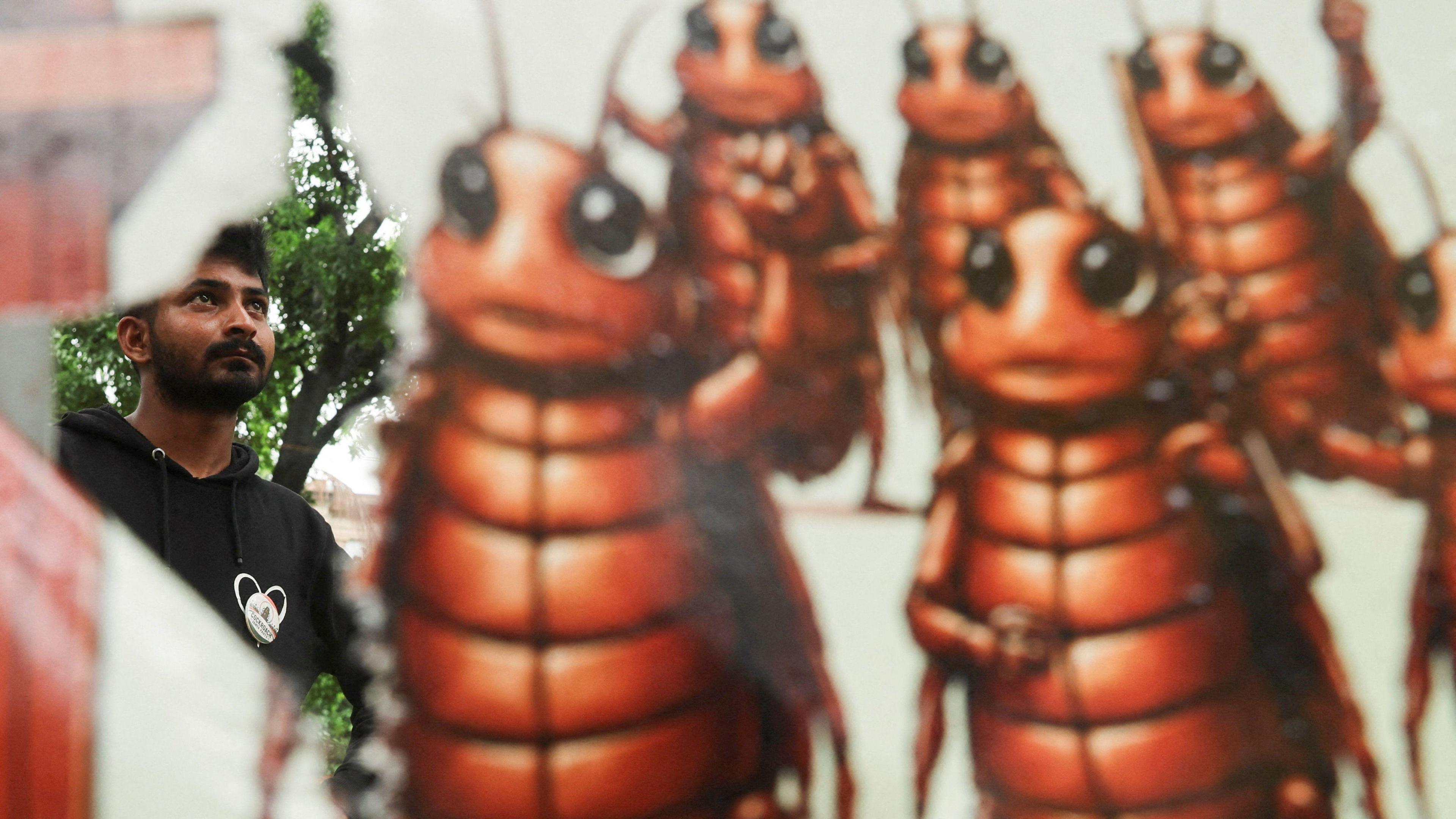
Indian Protestors Turn Crackdown Into Meme Culture
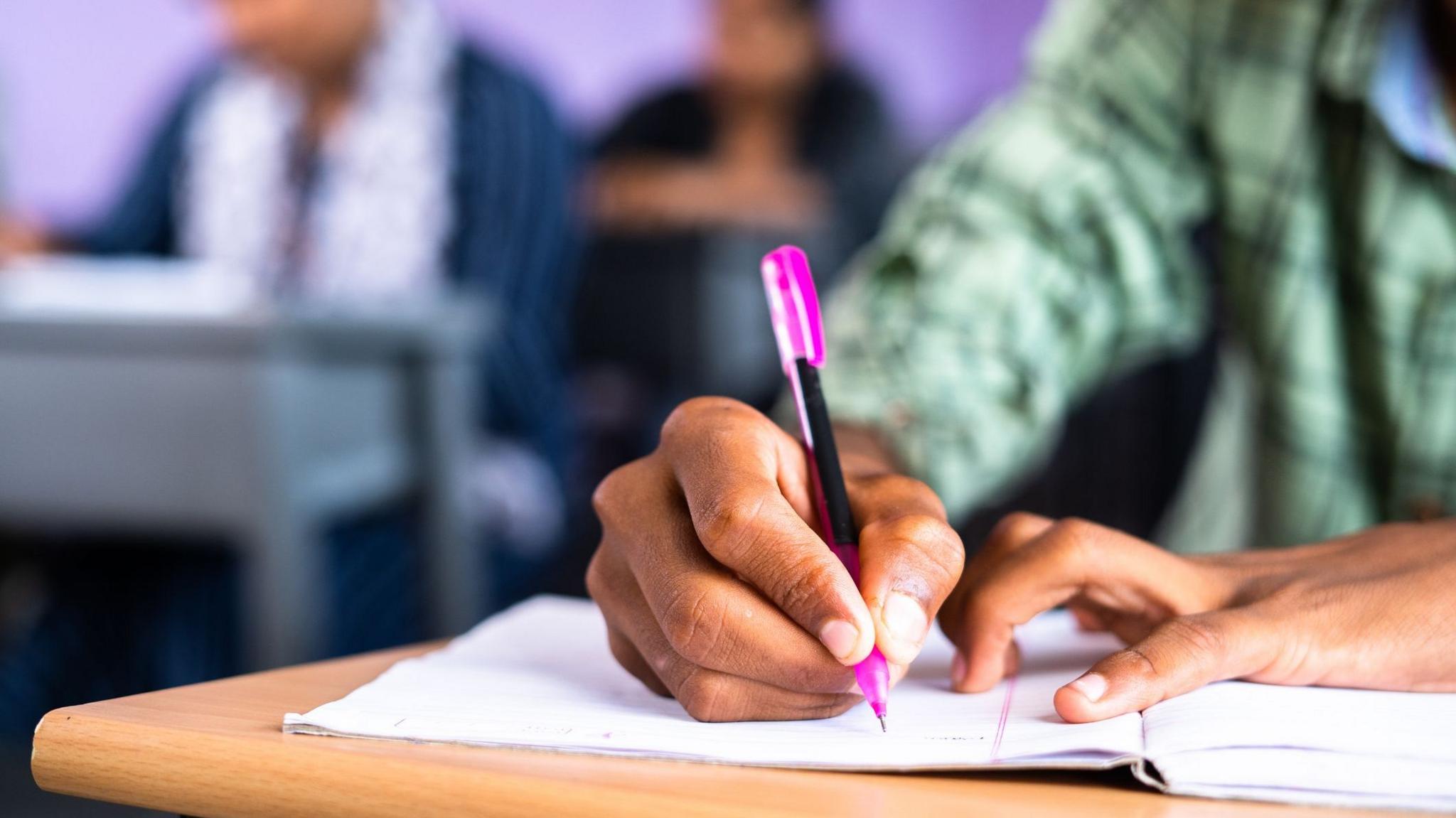
On Sunday, a large crowd of students and supporters of the Cockroach Janta Party (CJP) marched toward Parliament in New Delhi demanding the resignation of Education Minister Dharmendra Pradhan over alleged exam paper leaks. The police met the demonstrators with tear gas and batons, causing injuries on both sides and a chaotic scene in the streets.
The March and Police Response
The protest originally grew from a student complaint about irregularities in exam papers and has expanded into a broader push for government accountability. In the heat of the confrontation, the police locked down mobile internet, leaving protestors who were filming stuck behind a digital barrier until the clamp‑down eased. Chhavi, a 20‑year‑old participant, recorded a “fit‑check” before the march and, after the police assault, posted videos of herself smiling beside orderlies, giving the footage a strangely upbeat tone.
The Digital Divide: Memes as Protest
The footage that appeared on Instagram after the police control period was a mix of raw anger, humor and documentary‑style reporting. Protestors posted reels that cut from an outfit show to tear‑gas incidents, narrated tear‑gas as a “new restaurant review,” and joked about the distance covered while fleeing baton charges. One reel narrated a simple caption: "Delhi Police doesn’t realise I’m from Jamuna Paar," mocking a well‑known reference to Delhi’s neglected eastern neighbourhoods. Such memes were quickly shared, remixed and re‑posted, creating a participatory culture of protest documentation.
Expert Take on Youth and Online Protest
The rise of humour as a coping mechanism in protests is framed by scholars like Joyojeet Pal, a professor who notes that young people grow up with politics alongside memes and personal media. “Older generations separated political life from everyday life,” Pal points out, while Nishant Shah, a director of Digital Narratives Center, argues that humour does not detach protestors from reality but keeps them honest and hopeful in the face of fear. Digital anthropologist Payal Arora adds that “the act of capturing a protest is often an end in itself,” signalling memory and resistance rather than mere spectacle.
These viewpoints suggest that the CJP’s online tactics reflect a generational shift in protest conduct, where digital platforms provide both a stage and a safety net for the political engagement of young Indians.