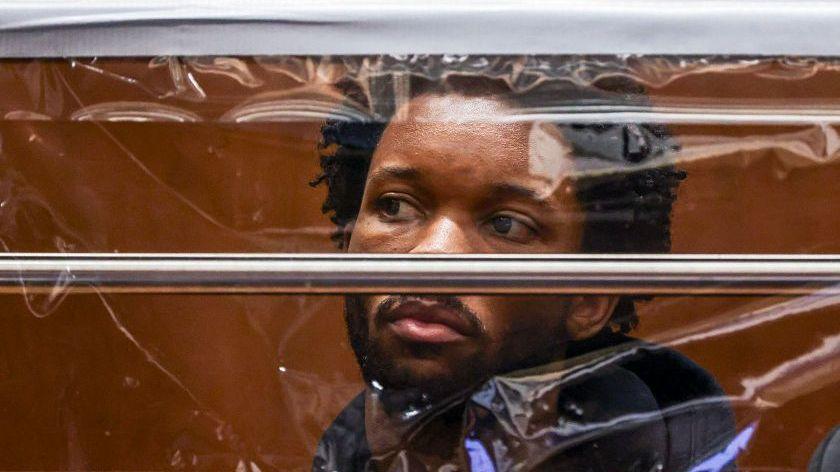
After a record‑short deliberation of just two hours, a jury returned a guilty verdict on the murder of the late rap icon Tupac Shakur. The accused, 63‑year‑old Duane "Keffe D" Davis, was found guilty in a trial that had intrigued the public and the legal world for decades.
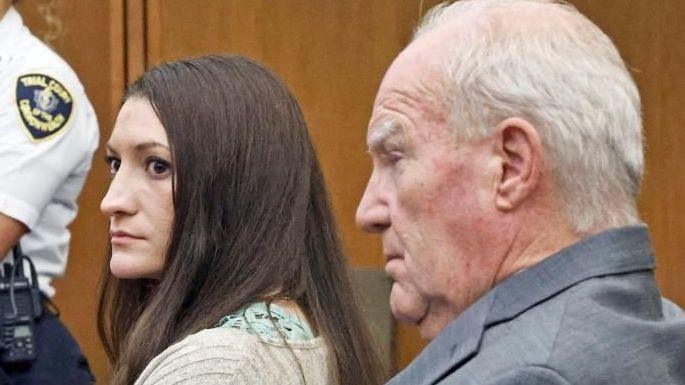
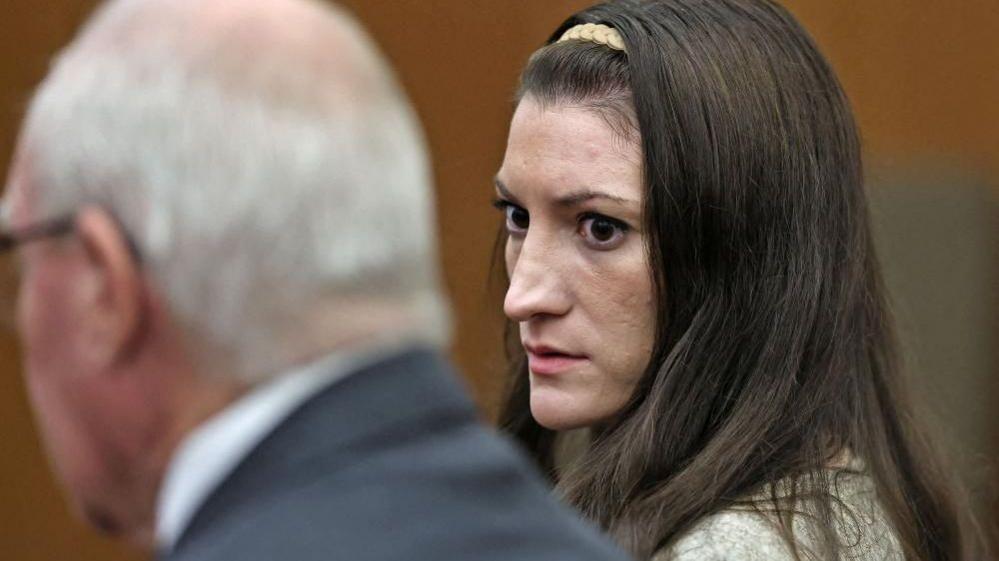
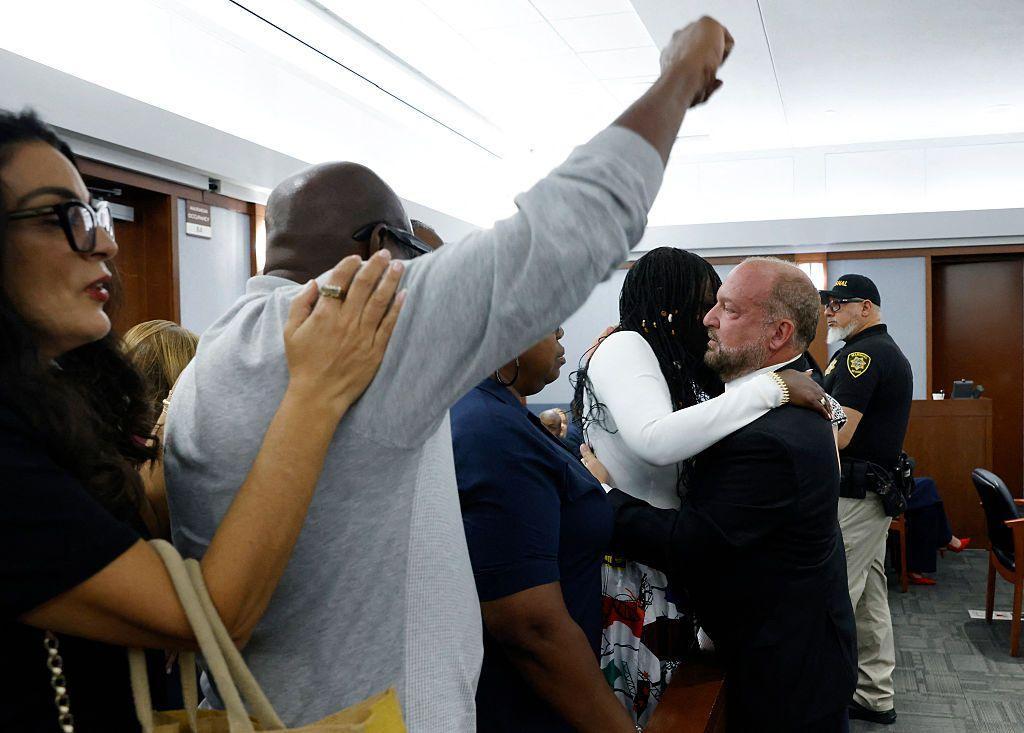
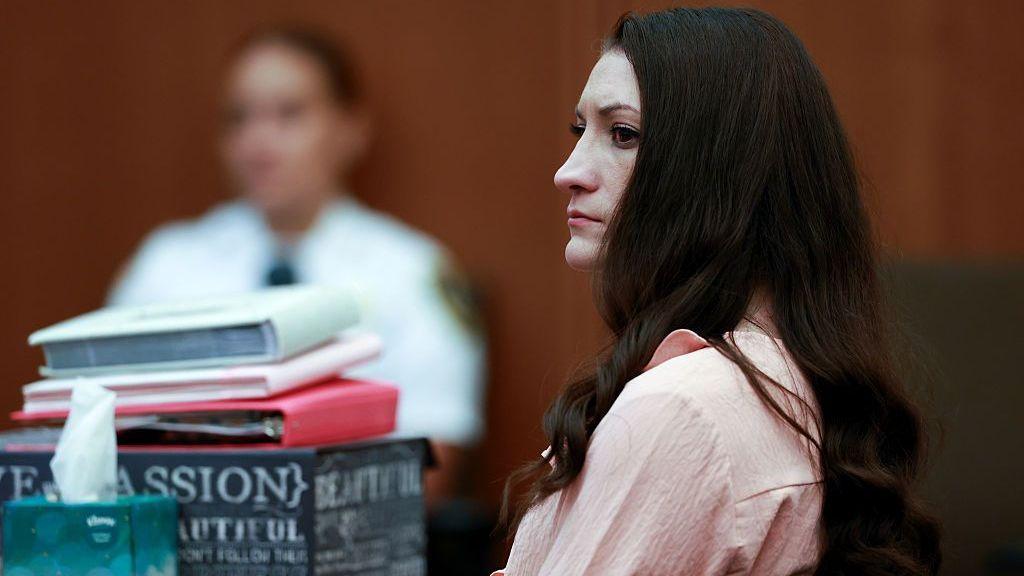
BBC presenter Anoushka Mutanda‑Dougherty was present in the courtroom as the judge read the conviction. According to Mutanda‑Dougherty, the atmosphere was electric yet subdued: jurors sat in silence, the prosecutor rose, and the judge’s voice resonated through the room as the final words of the verdict were announced.
The case stemmed from an event in 1996 when Shakur was shot in the lobby of a small theatre in New Jersey. Despite multiple theories, the prosecution was able to build a case tying the shooting to Davis based on forensic evidence, witness testimony, and the suspect’s past criminal history.
The verdict, announced on a September 2026 news broadcast, represents justice for the elder mafia King’s bold decisions assigned to specific jury members. The case has become a study point for legal scholars who analyze long‑awaited trials and the shifting public perception of law enforcement. It also brings closing chapters to current and mainstream music artists’ communities as a symbolic closure to a painful period in rap history.