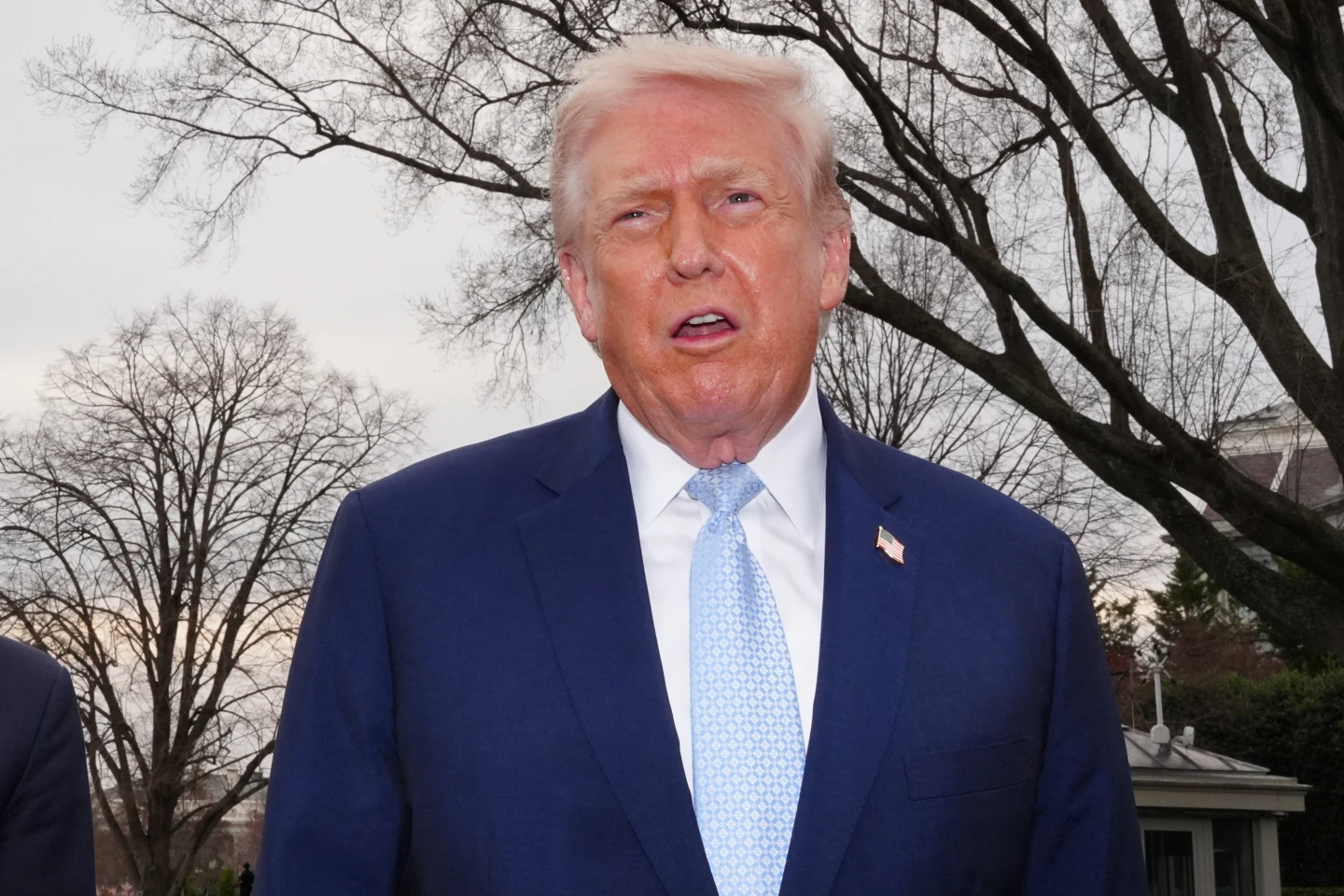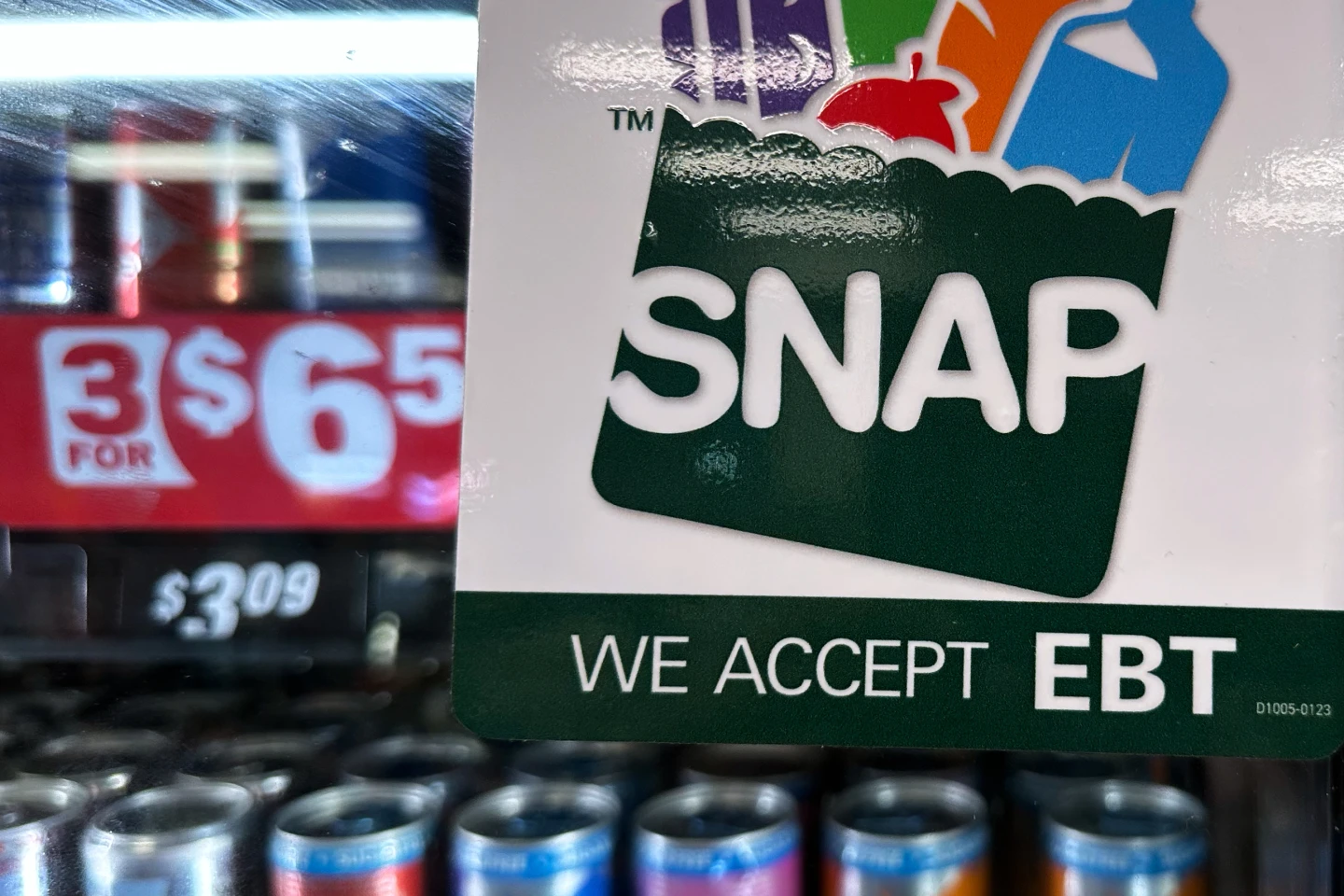
The Trump administration is ramping up its rhetoric surrounding fraud in the Supplemental Nutrition Assistance Program (SNAP), asserting that the program, which supports millions of Americans with food assistance, is plagued by widespread abuse and fraud. Senior advisor Jennifer Tiller stated that fraud exists both at the individual level and among organized criminal groups.
Experts such as Christopher Bosso, a public policy professor, agree that fraud is a concern, but they express skepticism about the extent of the problem. According to Bosso, If you're spending $100 billion a year on anything, you're going to have some leakage. Under SNAP, around 42 million individuals—about 1 in 8 Americans—receive benefits, averaging $190 each monthly.
The government claims that improper payments might reach nearly $9 billion annually, a figure contested by many researchers who note that previous USDA reports suggested lower estimates of fraud. Advocacy groups argue the administration’s focus on fraud risks overshadowing the crucial support SNAP provides to a population already facing economic hardship.
As states react to data-sharing requests from the USDA regarding individual recipients, tensions are rising. While some Republican-led states have complied, several Democratic-led states view these requests as violations of privacy, pushing back in courts. They contend that existing systems already track and prevent misuse of benefits effectively.
Haskins, a former USDA investigator, reveals that fraud can take many forms, including organized crime using skimming devices to clone EBT cards. He notes that the problem may stem not just from criminal organizations but also from legitimate recipients who are struggling and may unintentionally misuse their benefits due to desperation.
In contrast, advocates assert that significant reforms are not necessary; they emphasize that previous studies have shown limited fraud rates. Dartmouth economist Patricia Anderson suggests that substantial organized crime would be needed for fraud to be financially fruitful, questioning the credibility of claims regarding the scale of losses.
The persistence of SNAP fraud discourse invites a broader discussion on how the government supports its most vulnerable citizens without compromising their privacy and dignity. While fraud needs to be addressed, some argue it should not come at the expense of the essential services many families rely on.