Iran Advances Toward Peace Agreement With the United States
Iran’s Foreign Minister Seyed Abbas Araghchi declared that a deal to halt hostilities with Washington is "never closer," a statement that was echoed by Pakistani Prime Minister Shehbaz Sharif who has been acting as a mediator. The talks are said to focus on a ceasefire extension, the lifting of a U.S. naval blockade at the Strait of Hormuz, and the removal of frozen assets that amount to roughly $300bn.
The United States has made it clear that any agreement must include the destruction or removal of Iranian nuclear material and the dismantling of the nuclear program. Officials told reporters that the deal will be “performance‑based,” rewarding Iran only after it meets the stipulated conditions and the U.N. Security Council adopts the final text.
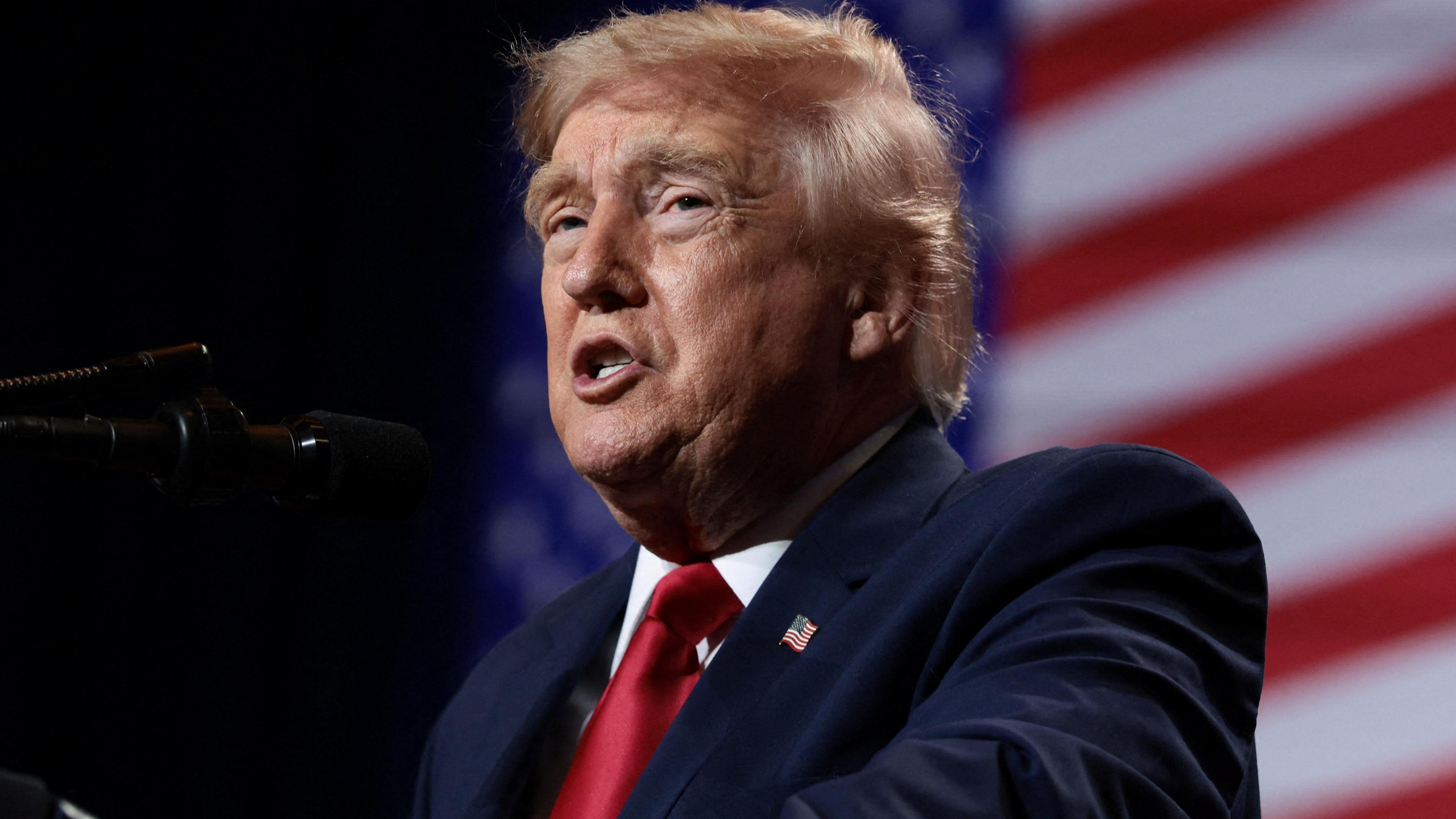
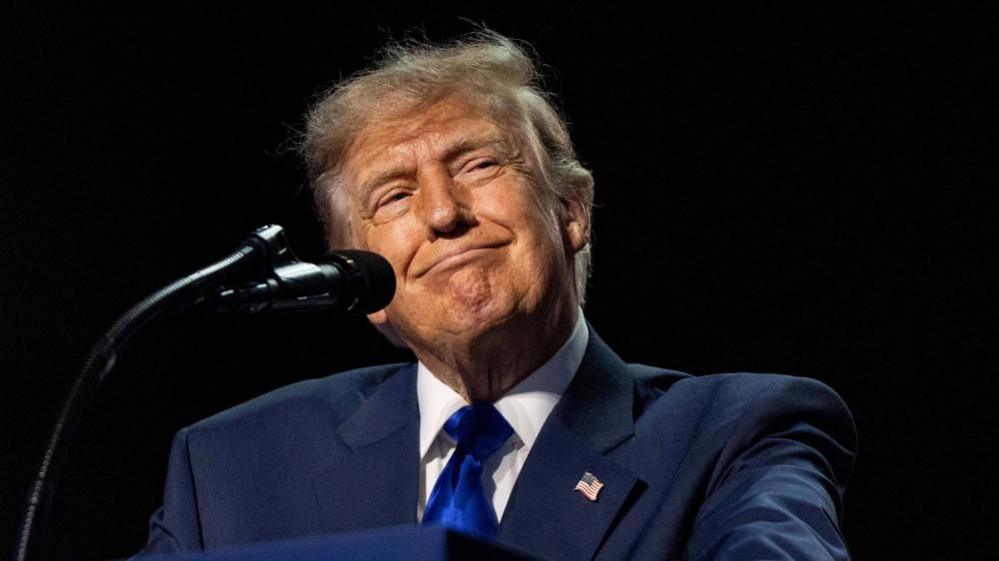
The ceasefire has already curbed major clashes, but intermittent strikes between the two powers have continued. U.S. President Donald Trump posted the Iranian statement on his social media accounts, urging journalists not to speculate on the deal's content, and later declared that scheduled attacks on Iranian territory would be cancelled because negotiators had reached a “great settlement.”
Both sides have acknowledged that the agreement would contain broad provisions, including an end to the Israeli‑Hezbollah conflict in Lebanon, as well as the lifting of Iranian oil sanctions. U.S. Vice‑President J.D. Vance added that no immediate financial benefit will flow to Iran after a Memorandum of Understanding is signed; instead, rewards will follow compliance with the agreed terms.
A senior White House official said the odds of signing a final agreement are in the 80% to 85% range, but stressed that delays are expected because of internal political divisions in Iran. The U.S. administration remains confident that the coalition of Israel, Gulf Cooperation Council members and other regional partners will attend the negotiations, and that the agreement will address Iran’s nuclear activities and its role in supporting proxy groups.