Iran’s Missile Strike Shatters US‑Iran Truce, Sparking Joint Retaliation
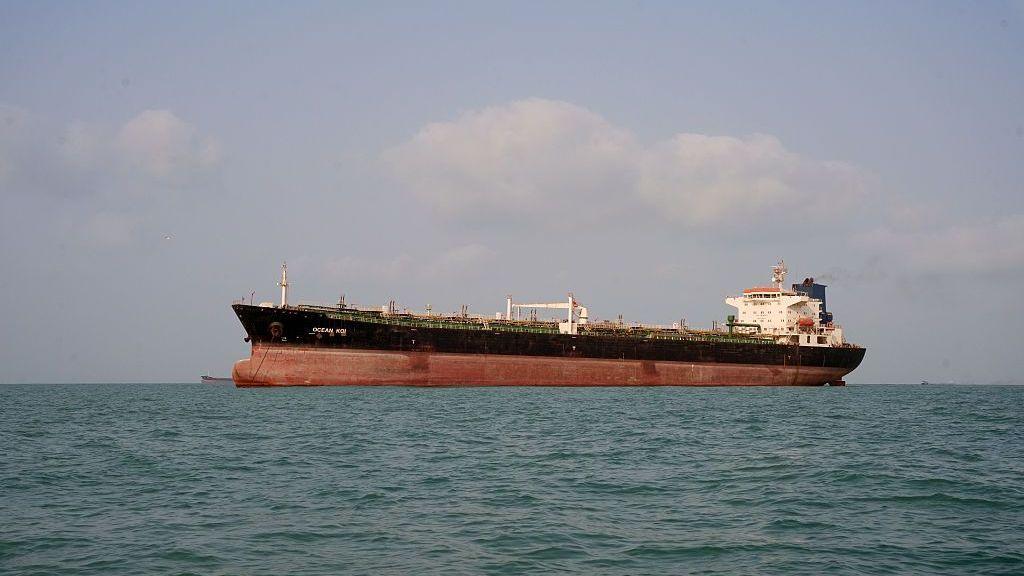
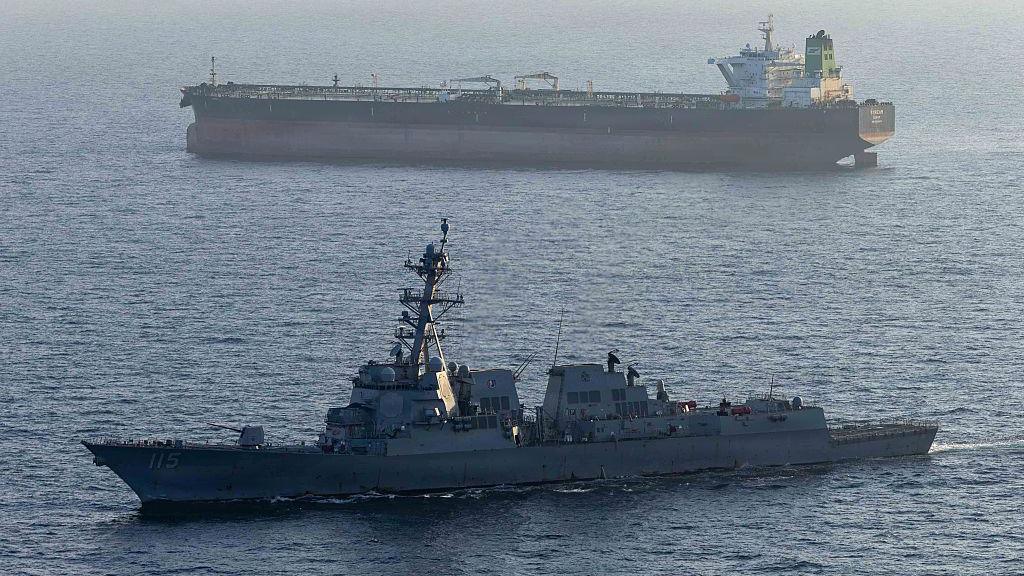
Iran launched a barrage of ballistic missiles on U.S. forces in the Arabian Sea on Tuesday, a move that ended a brief lull in hostilities between Washington and Tehran.
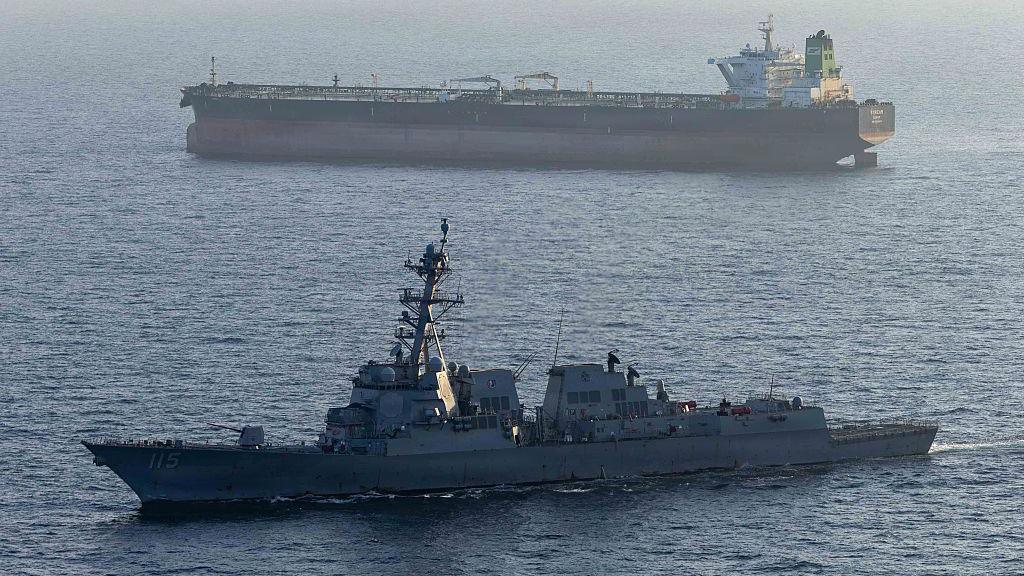
According to U.S. Central Command (Centcom), all missiles were successfully intercepted before they could strike any targets. The strike, described by Centcom as an "attempted surprise attack," was the first escalation since both sides had agreed to a cease‑fire aimed at restoring diplomatic talks.
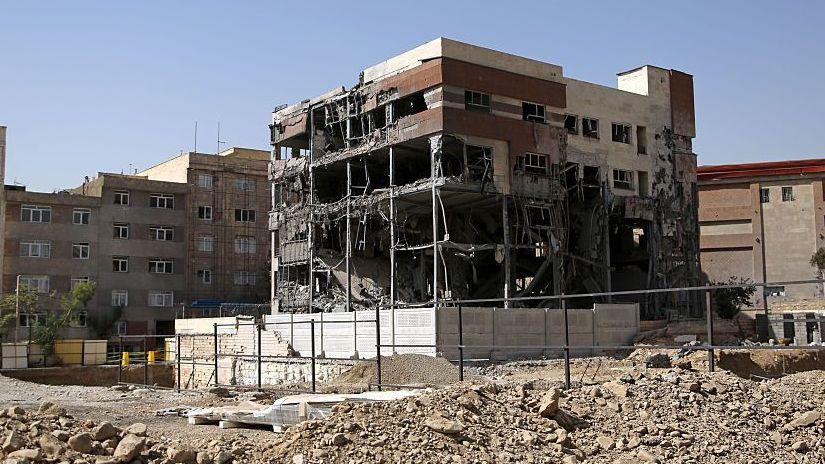
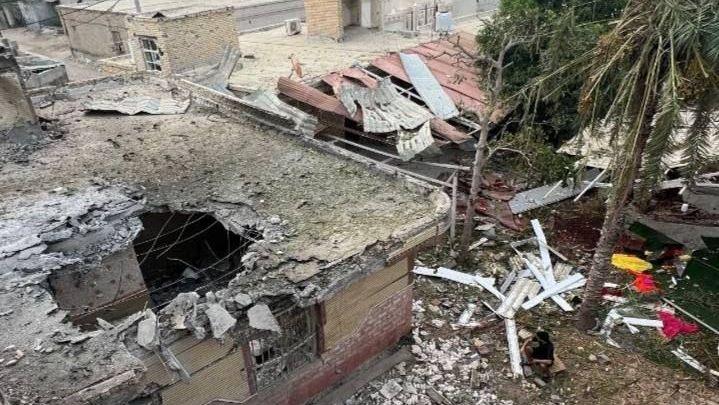
The United States, together with Saudi Arabia, responded by striking multiple "terrorist logistics and weapons sites" in eastern Iraq. The Saudi air force announced that drones targeting the country’s eastern oil infrastructure—allegedly launched by Iran‑linked militias—were intercepted and destroyed.
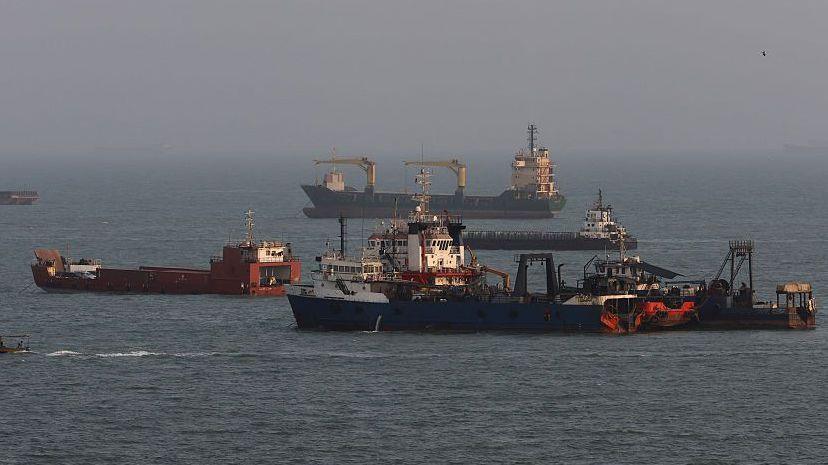
This exchange marks a significant escalation, given that prior to the attack both nations had not exchanged strikes for three consecutive days. The cease‑fire was intended to revive negotiations and address key issues such as Iran’s access to the Strait of Hormuz, which Tehran has denied is even in discussion.
The latest flare‑up coincides with President Donald Trump’s statements about "friendly negotiations" with Iran and the visit of Israeli Prime Minister Benjamin Netanyahu to Washington. It also follows U.S. military reports that over 600 service members have been injured since February, with 417 injuries tied to Operation Epic Fury, the joint US‑Israeli campaign.
Key Takeaway: The Iranian missile strike not only halted a fragile cease‑fire but also propelled a swift U.S‑Saudi military retaliation, potentially reshaping the strategic balance in the Gulf and signaling a new phase of conflict in the Middle East.