In brief
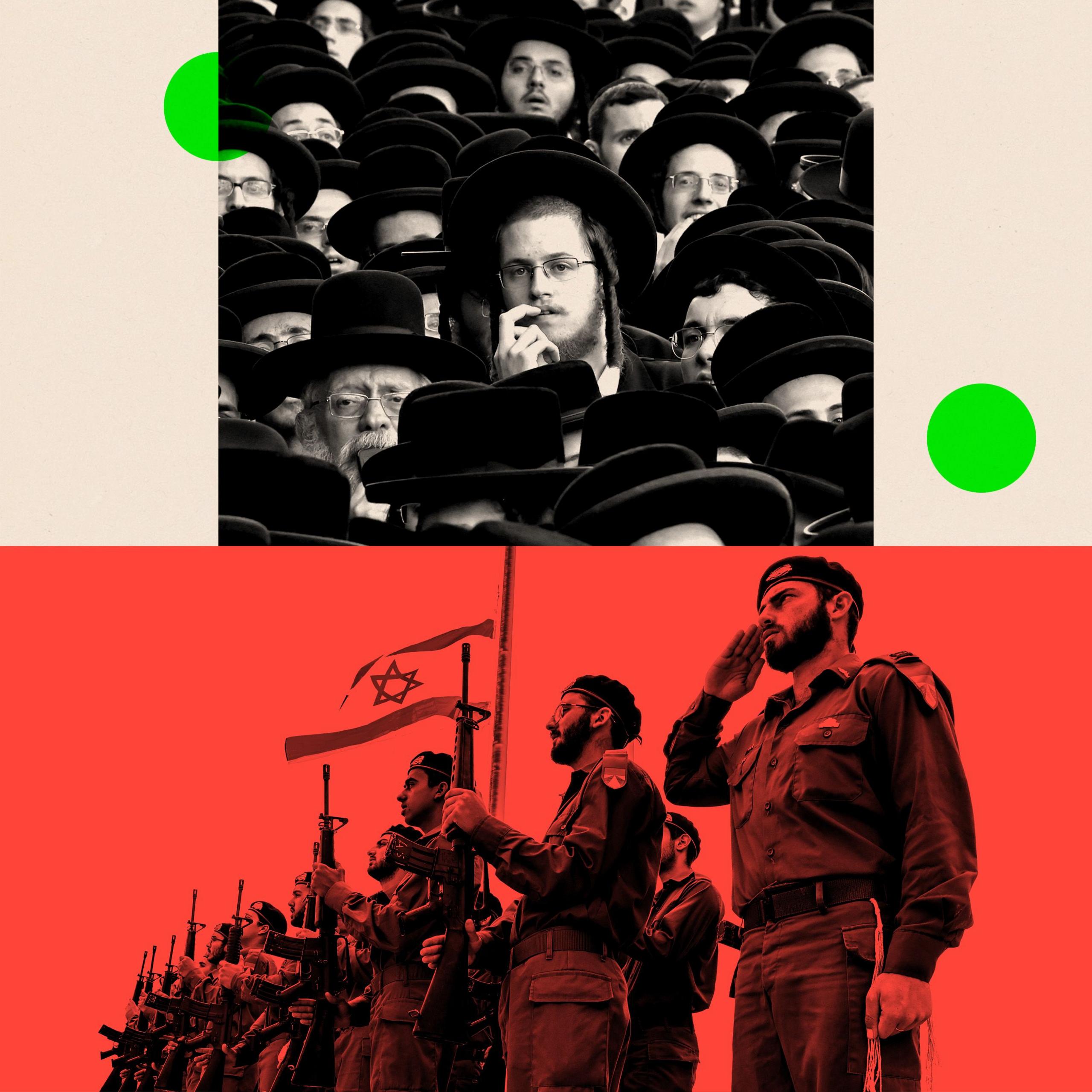
Israel’s largest religious minority is at the centre of a volatile dispute that threatens to reshape the country’s political landscape. The ultra‑Orthodox, who currently make up about fourteen per cent of the population and cost the state tens of billions of shekels in welfare, have long enjoyed an exemption from compulsory military service. A recent Supreme Court ruling said that exemption was effectively void, prompting widespread protests and a clash with security forces. Politically, the row has put Netanyahu’s fragile majority in jeopardy, as the Haredi parties – United Torah Judaism and Shas – wield the kingmaker power this time while other parties vie for their support over the draft issue. New actors such as the Haredi Public Party and hard‑right leaders like Itamar Ben‑Gvir are also stepping into the fray, signalling a potential shift in how Israel balances tradition and national defence.
Israel’s Ultra‑Orthodox Draft Row: A Looming Political Crisis
In a town halfway between Jerusalem and Tel Aviv, a flashpoint erupted when police arrested a young ultra‑Orthodox man who had not reported for mandatory military service. The footage shows men in white shirts and black coats – the hallmark of Haredi tradition – facing off against a police unit, sparking a clash that has since turned into a nationwide battle of values.
The ultra‑Orthodox community, once a tiny group of survivors after World War II, now represents about 14 % of Israel’s population and is projected to grow to a third of the Jewish demographic by 2050. Their schools and religious studies are exempt from the state’s compulsory school system, and the government currently spends roughly 35 bn shekels ($8.4 bn) annually to subsidise full‑time study. The exemption, once justified by the community’s low participation in the workforce, is now increasingly seen as a burden on those who must contribute to national defence and the economy.
A 2024 Supreme Court ruling declared the exemption effectively null, a decision that triggered “hundreds of thousands of Haredi protests and road‑blockages”. Calls for “musical brute force” (the community’s own slogan) turned into barrages of signs, tweets and cultural rants. The court’s decision remains in legal limbo as courts and the security forces continue to negotiate the balance between a historic right and contemporary security demands.
For Netanyahu’s government, the row is the most visible fault line in an already fractious coalition. With no major party poised to hold an outright majority, the ultra‑Orthodox parties hold the potential to tip the balance of power, but their support is now contingent on their demand for limited or no conscription for Torah students. Experts say a pivot away from the exemption would “hit Netanyahu’s 64‑seat majority”, potentially forcing a new coalition or triggering early elections.
The political landscape is shifting. A new ultra‑Orthodox party, the Haredi Public Party, proposes a compromise that would “empower those who study full time while still allowing some to serve in framed units”. Meanwhile, hard‑right figures such as Itamar Ben‑Gvir – who has shown a willingness to engage with the ultra‑Orthodox – are gaining traction by positioning themselves as less appeasing but more decisive alternatives to the long‑standing parties. Šearedi voters, many of whom hold a deep trust in their rabbis, will need a credible offer on the draft issue before they consider a leap to a different party.
Polling data suggests that the issue of military conscription dominates voters’ priorities. Legislators say the government’s “lack of clear thrust on this issue” is seen as a dereliction of national duty. For the ultra‑Orthodox, however, the fear that exposure to the military could erode community cohesion remains a strong counterforce to any conscription plan, with leaders arguing that “spiritual protection trumps physical service”.
As Israel approaches a parliamentary vote, all eyes are on the outcome. Whether Netanyahu can negotiate a compromise that satisfies these factions or must cede ground to the opposition will shape the future of Israeli democracy. For now, the “row over military service” remains a barometer of broader societal tensions, reflecting how tradition, security and politics collide in the heart of the Middle East.