In brief
In the first‑stage judgment on the August 2018 collapse of Genoa’s Morandi bridge, former Autostrade per l’Italia chief executive Giovanni Castellucci was sentenced to 12 years in prison. The verdict represents a major move toward accountability after a four‑year investigation. Twenty‑five officers were absolved or cleared by statute of limitations, while 32 were found guilty. The ruling is seen by survivors as a beginning of closure, though appeals are expected to extend the process.
Italian prosecutors aimed to lock up ten former officials for the 2018 collapse of Genoa’s iconic Morandi bridge, which claimed 43 lives. The first judgment in the 57‑defendant case saw former chief executive Giovanni Castellucci receive a 12‑year sentence, a figure that falls short of prosecutors’ original 26‑year demand.
Castellucci, already serving a six‑year term for a 2013 road incident, was not present for the verdict. His lawyers cited fundamental flaws in the trial and plan to appeal, claiming their client’s innocence.
Other senior figures faced lighter prison terms; Mehmet Donferri Mitelli received 11 years, Paolo Berti 5.5 years, while Antonino Galatà and Mauro Coletta, top officials from the maintenance firm Spea and the ministry respectively, were each handed five‑year sentences. Twenty‑five defendants were acquitted or benefited from the statute of limitations, and a total of 32 insiders were convicted.
Prosecutors argued that repeated maintenance delays and ignored warning signs contributed to the catastrophe, whereas defence teams leaned on a design flaw—particularly a concrete‑encased cable—in the bridge’s structure. The judge, Paolo Lepri, described the verdict as a "ray of light" for victims’ families, who had awaited justice for nearly eight years.
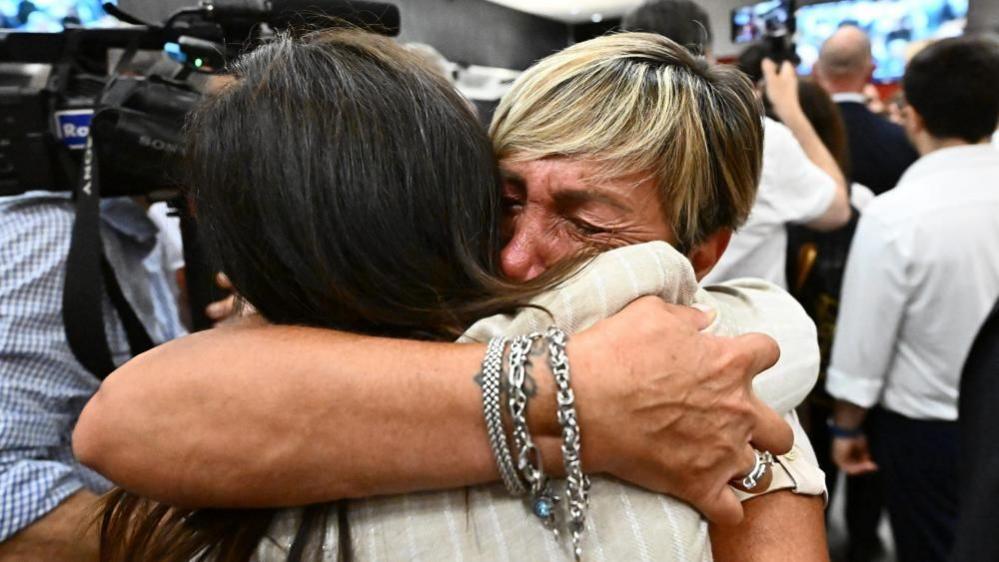
A group of Genoa residents gathered at the court on Thursday, expressing mixed emotions. Mayor Silvia Salis called the transparent result a step toward acknowledging state responsibility. She praised the collective effort of the new San Giorgio bridge, inaugurated a year after the collapse. Designed by Renzo Piano, the replacement weighs on the city’s maritime heritage with sail‑shaped pillars.
The court acknowledged that the process is far from finished. Appeals are likely to prolong the legal journey, and the legacy of the disaster will linger in public consciousness. Even as the bridge’s remains were demolished in 2019, the community still mourns the loss of loved ones and seeks accountability for the failing structure that sank into history.