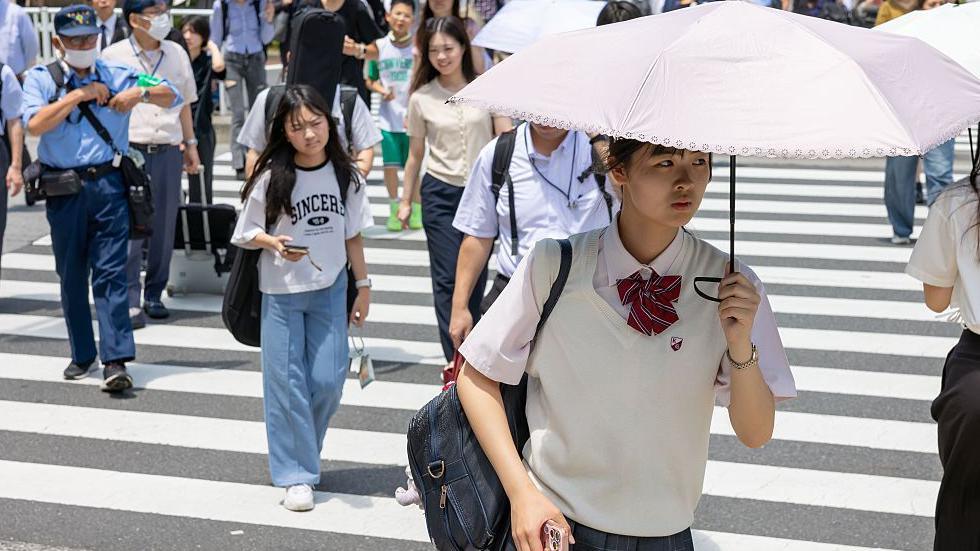
Japan Hits First ‘Kokushobi’ Day as Temperatures Surpass 40 °C
Japan’s meteorological agency introduced the term kokushobi in April to flag days when temperatures reach or exceed 40 °C. The word, literally meaning “cruelly hot day”, is designed to help the public better understand and respond to dangerous heat waves.
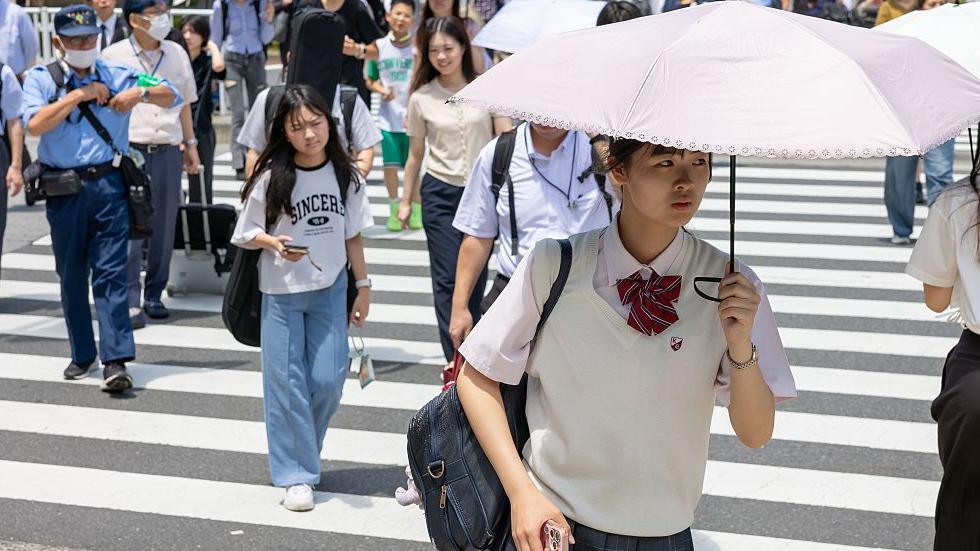
On Tuesday, central Japanese cities—Tajimi, Gujo and Toyoda—recorded temperatures that broke the 40 °C barrier. The heat is expected to continue through the week, according to Japan Meteorological Agency (JMA). This marks the first recorded instance of a kokushobi in the country.
Japan already classifies days over 25 °C, 30 °C and 35 °C with its own terms, and days exceeding 35 °C are called moshobi (extremely hot days). The more severe kokushobi is distinguished by the word koku, meaning harsh or cruel.
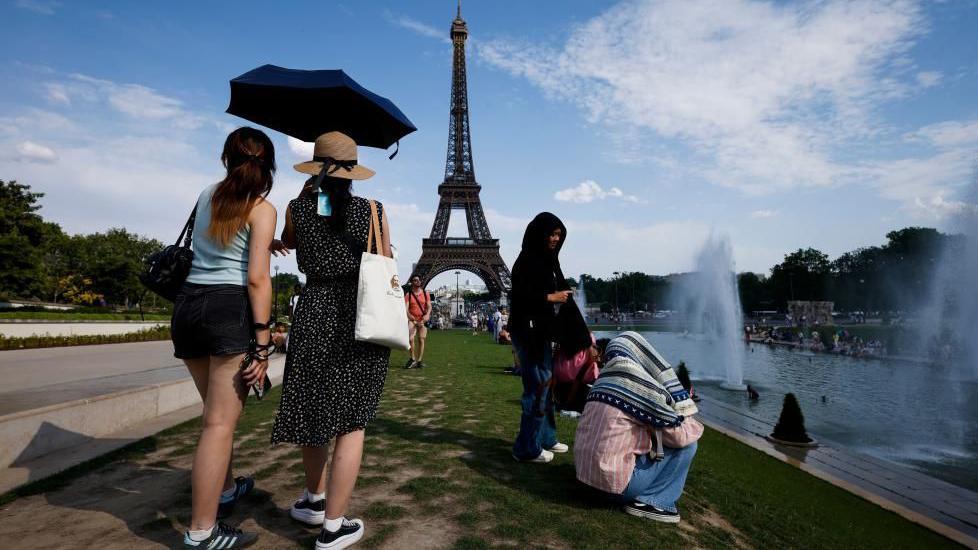
Nearly 300 of Japan’s 914 weather stations recorded a moshobi on that Tuesday, according to Kyodo News. The authorities have issued heat‑stroke alerts in more than 40 prefectures and advised people to use air‑conditioners, stay hydrated, consume salt, and limit outdoor activity.
The Tokyo Fire Department reported that 287 people, aged from three to 103, were taken to hospitals that day due to heat‑stroke. That count was the highest seen in 2026 so far. The department also raised an ambulance‑overload alert on Wednesday and urged residents to protect themselves.
Heat‑stroke incidents in workplaces hit a record 1,803 last year, with nineteen deaths, according to Kyodo. As the summer continues, the Tokyo government suggested office workers adopt more casual attire—such as T‑shirts and shorts instead of suits and ties—to cope with rising temperatures.