In brief
The court found Paul Mackenzie guilty of murdering 191 people, including children, after a mass starvation in Kenya’s Shakahola forest. Dan Mackenzie, the elder son, alleges that his younger siblings were still being denied food a fortnight before the trial. He reports the police rescued eight children from his grandmother’s home, but the forced fasting continued. Mackenzie’s doctrine forbade education and labelled modern medicine as evil, resulting in long‑term trauma for the families. The conviction has sparked mixed reactions, with some community members on island Malindi supporting Dan after he distanced himself from the cult.
The eldest son of Kenyan cult leader Paul Mackenzie, convicted of murdering 191 people, says his younger siblings were still being forced to fast as recent as two weeks before the trial.
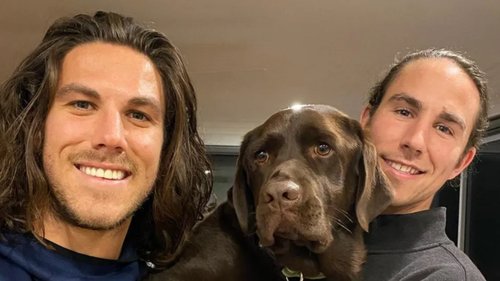
Dan Mackenzie, 27, reports that police rescued eight children, including five of his younger siblings, from their grandmother’s house. He claims that the children were denied food for almost three days, effectively undergoing a forced fast.
Mackenzie, whose supporters believed he was Jesus’s mouthpiece, was found guilty Monday of killing 190 children and one adult who starved to death in Shakahola forest, near the Kenyan coast. He ordered cult members to starve themselves and their children in order to "meet Jesus".
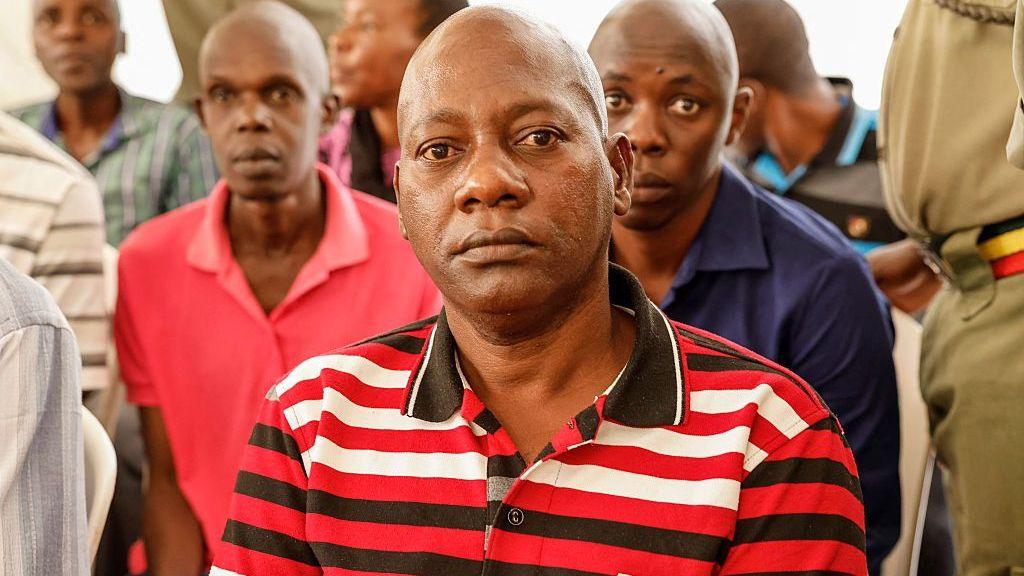
Twenty-eight other cult leaders received convictions in similar cases. The verdict is the first major outcome on the most severe charges after more than 400 bodies were found in shallow graves around the forest.
Dan, who left school at seven and now works as a motorcycle taxi driver in Malindi, said he initially supported his father’s teaching but later realized the horror of the situation after court proceedings. He described himself and his siblings as having been harassed because of his father’s crimes, but he has been welcomed by many after distancing himself from the cult.
"I hope the verdict brings comfort to those who lost friends and relatives," Dan told BBC’s Newsday.
The court stated that the cult’s doctrine forbade education and labeled modern medicine as evil. Members were found to beat children for attending services, and the judge described burials in the forest as solemn "weddings" with those who died celebrating their "marriage to Jesus".
Mackenzie’s case concludes with sentencing scheduled for 6 November. The case continues to raise questions about religious extremism, child protection, and judicial accountability in Kenya.