Kinshasa Declares Mass‑Gatherings Ban Amid Ebola Threat
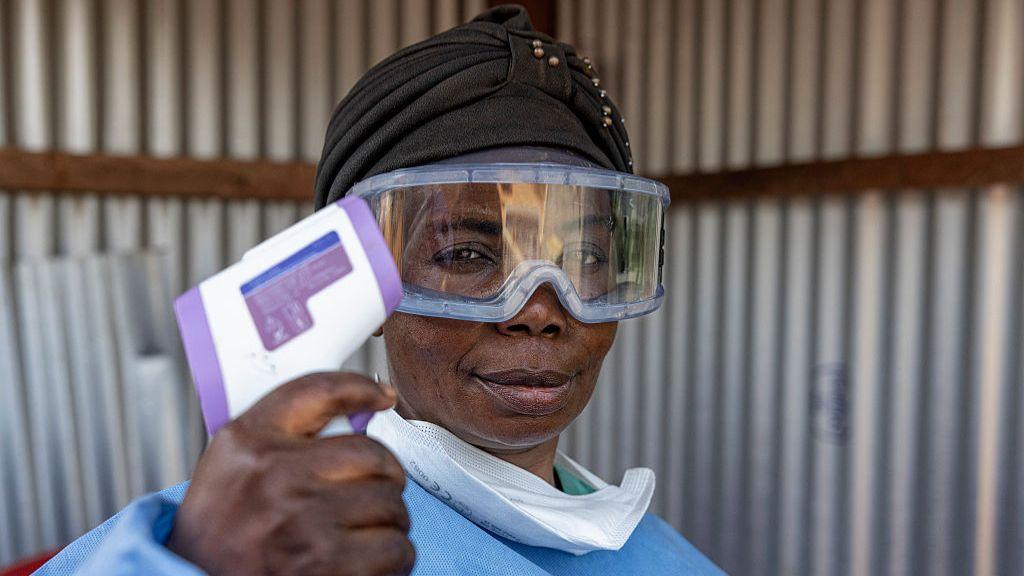
The Democratic Republic of Congo interior minister Jacquemain Shabani announced a nationwide ban on public events in Kinshasa and three surrounding provinces – Tshopo, Haut‑Uele and Bas‑Uele – to stop the spread of Ebola.
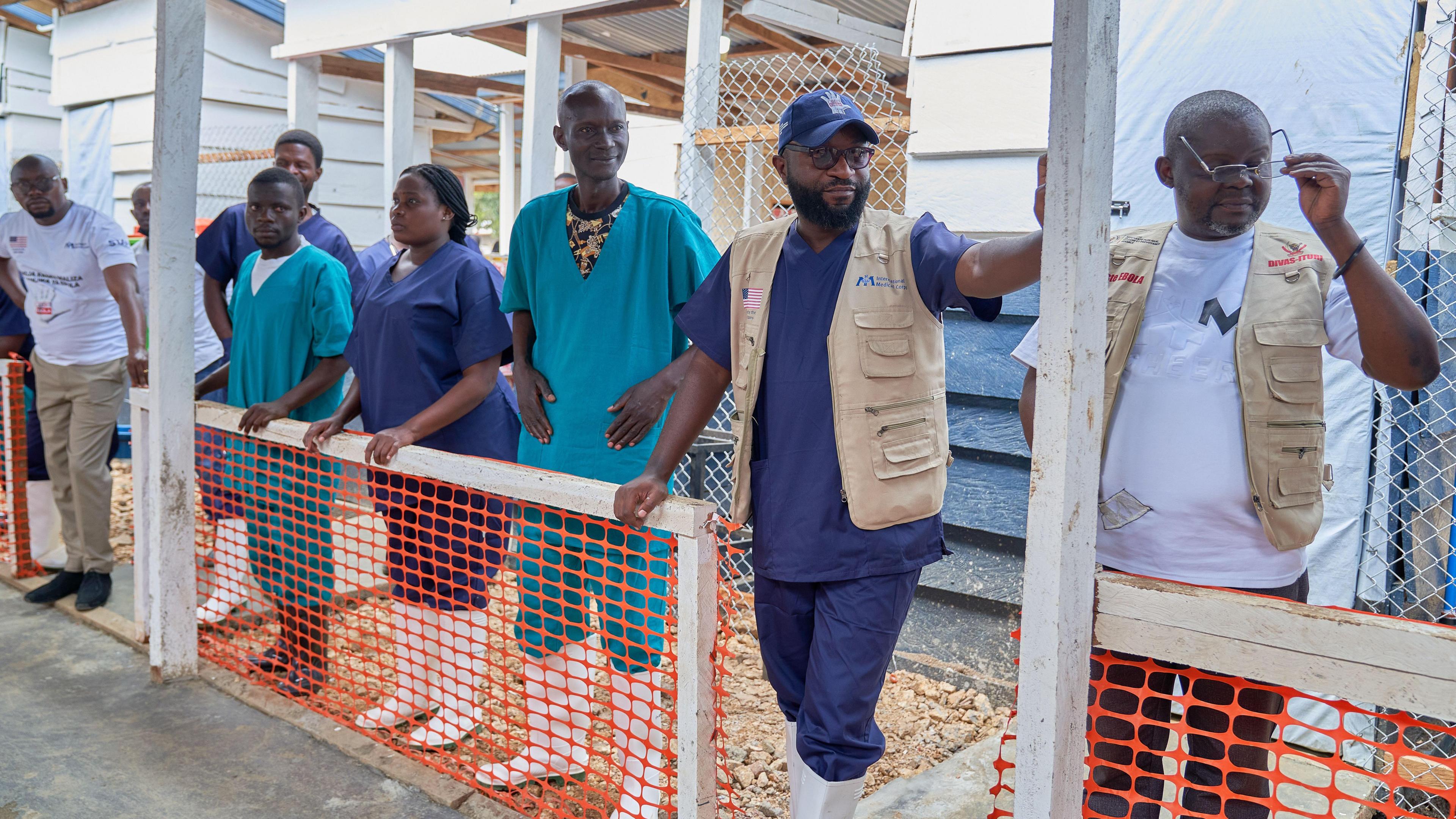
The outbreak is currently limited to the eastern provinces of Ituri, North Kivu and South Kivu, some 1,800 kilometres from the capital. Nonetheless, officials fear the virus could reach Kinshasa’s 18 million residents.
Opposition leaders, who had planned a protest march for 8 July against President Felix Tshisekedi’s proposed extension of his two‑term limit, cast the ban as a political maneuver. Prince Epenge, spokesperson for the Lamuka coalition, said the move was “political” and rejected the authority, while Envol’s secretary‑general Rodrigues Ramazani urged supporters to ignore the restriction and attend the march.
The government has yet to reply to the opposition’s criticism, leaving the ban in place with no official counter‑statement.
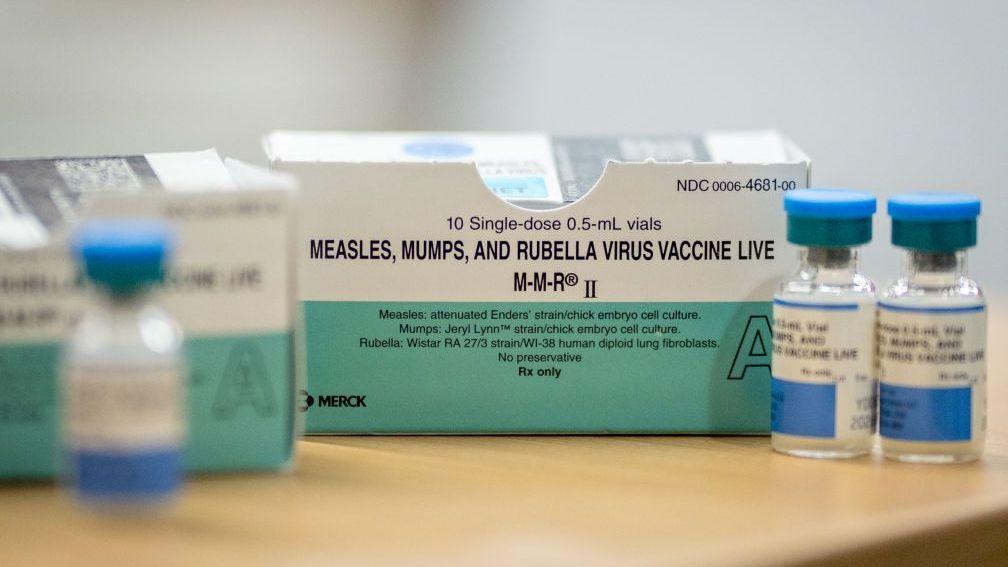
Authorities have also initiated a 21‑day quarantine for travellers moving from Ebola‑affected areas to other parts of the country. The virus is the Bundibugyo strain, for which no vaccine currently exists, though antiviral trials may commence soon under the guidance of the Africa Centers for Disease Control and Prevention.
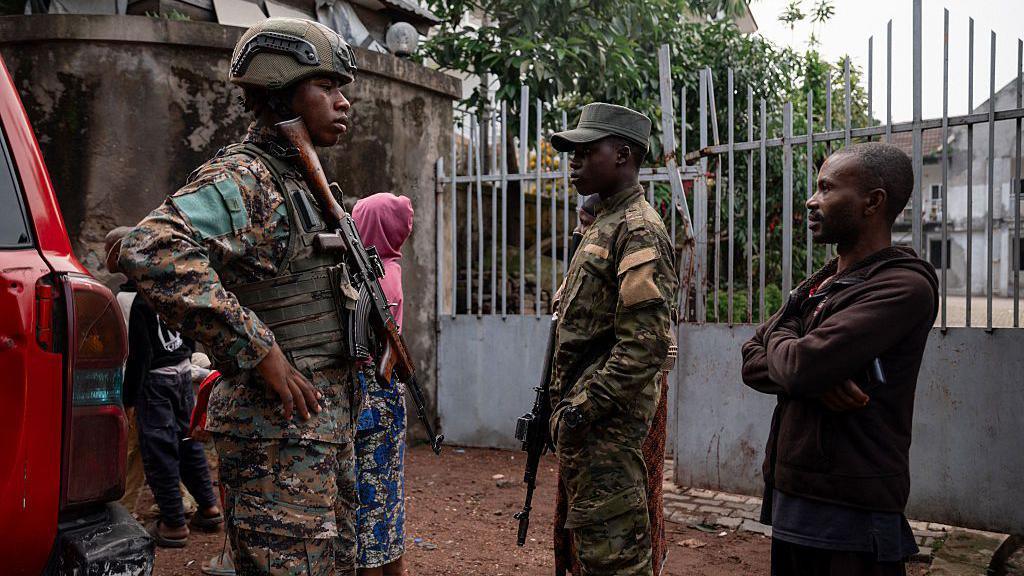
As of the latest update, confirmed cases in the DRC total 1,274 with 360 deaths. Uganda has reported 20 cases and two deaths. The outbreak’s progression is hampered by conflict, with rebel groups controlling large areas in North and South Kivu.