In brief
After a massive flash flood on the Nepal‑Tibet border buried the entrance to the Trishuli 3A hydropower tunnel, a combined effort of engineers, the Nepalese army and local rescue teams discovered two survivors first and are now digging deeper to reach the station. Using satellite imagery, old maps and explosive safe‑demolition techniques, they overcame debris and water. The operation, viewed from political, cultural and social lenses, showcases the resilience of local communities, the international expertise brought in, and highlights how humanitarian engineering can save lives under extreme conditions.
"Layer upon layer of miracles" to find tunnel survivors, Nepal rescue adviser tells BBC
A tunnelling expert involved in the rescue operation at a blocked hydropower tunnel in Nepal has described the challenges that led to the discovery of two survivors. Arnold Dix, president of the International Tunnelling and Underground Space Association, has advised local authorities on how to dismantle the rubble that had swallowed the tunnel.
Finding the entrance
The flood buried the original hillside entrance deep underground, turning the landscape into an unrecognisable jumble of mud and rock. The rescue team used satellite images, old topographic maps, helicopter footage and visible on‑ground features such as power poles to triangulate its position before starting excavation.
Clearing the debris
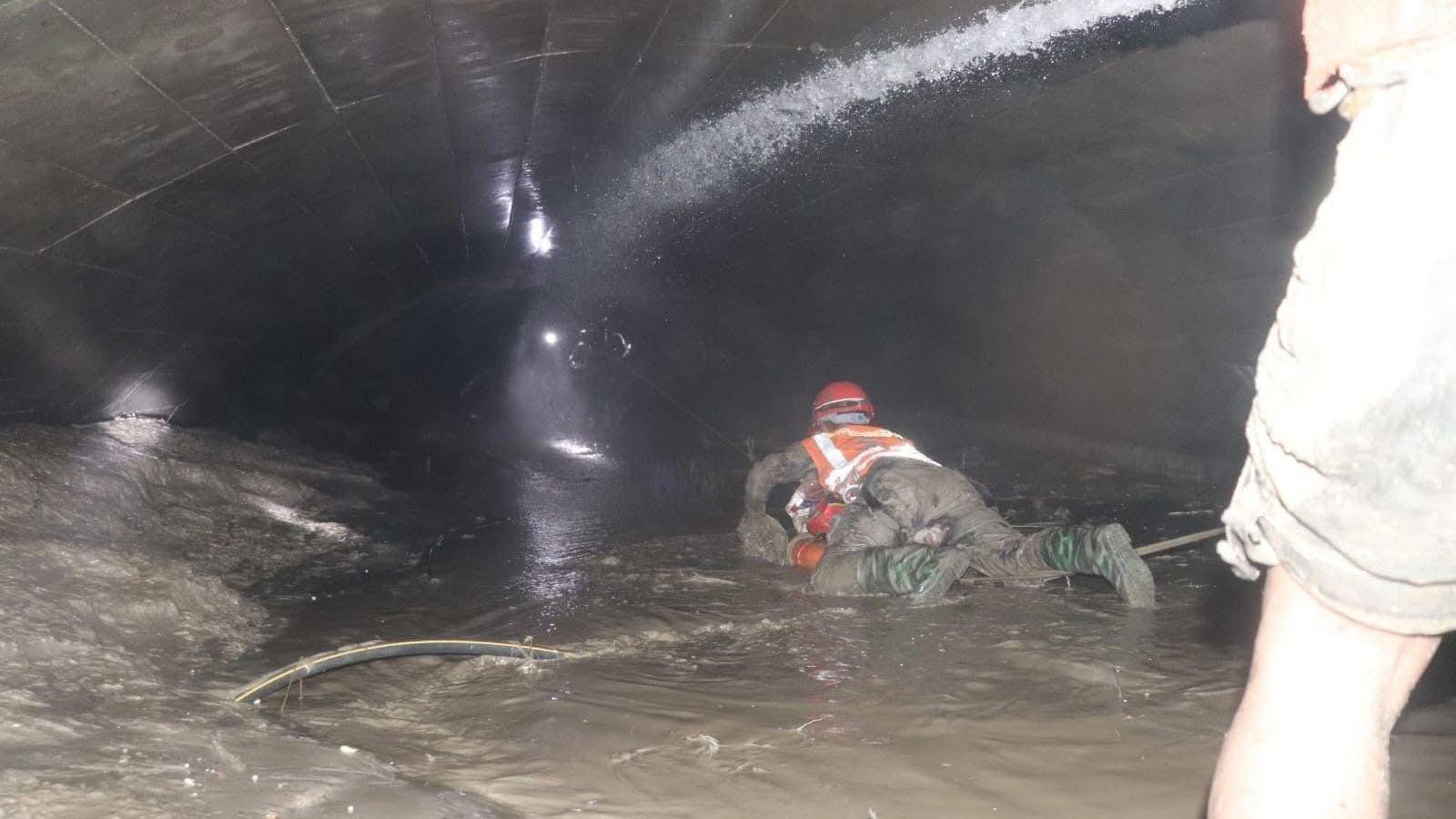
The tunnel had been filled with mud, rocks, and water, with some debris larger than cars. Explosives were carefully detonated – a move rarely used because it risks destabilising the tunnel. The Nepalese army managed the blasts with precision, while machinery backed by pumps removed flooding water.
Sentences of hope
During the early hours of Friday, rescuers heard faint voices. Calls for reassurance were replied to with a quiet “okay”. This exchange confirmed the presence of survivors: Sanjaya Shah and Kabir Maharjan were subsequently pulled out of a narrow passage created at the rubble’s top.
Prospects for the remaining trapped
Rescuers estimate a further 150 m of tunnel to be dug before the hydropower station deep within the mountain. The flood’s debris, water intrusion, and the possibility of a secondary flood outside create continual risks. Nevertheless, the successful rescue has energized the team to continue with a ‘Goldilocks zone’ strategy – a corridor less risky for life.
The operation, measured by different lenses, illustrates a fusion of local determination, international engineering expertise, and the global humanitarian commitment to saving lives in extreme circumstances.