In brief
When Marineland in Niagara Falls shut down in 2024, 30 belugas and four dolphins were rescued and transferred to a network of U.S. aquariums. Five belugas and one dolphin have since died at Shedd Aquarium and Oceanogràfic, raising concerns over transport conditions and long‑term health. While some animals exhibit positive signs in their new homes, experts argue that captivity cannot guarantee well‑being. Alternatives such as offshore whale sanctuaries are being explored, but their feasibility remains unproven.
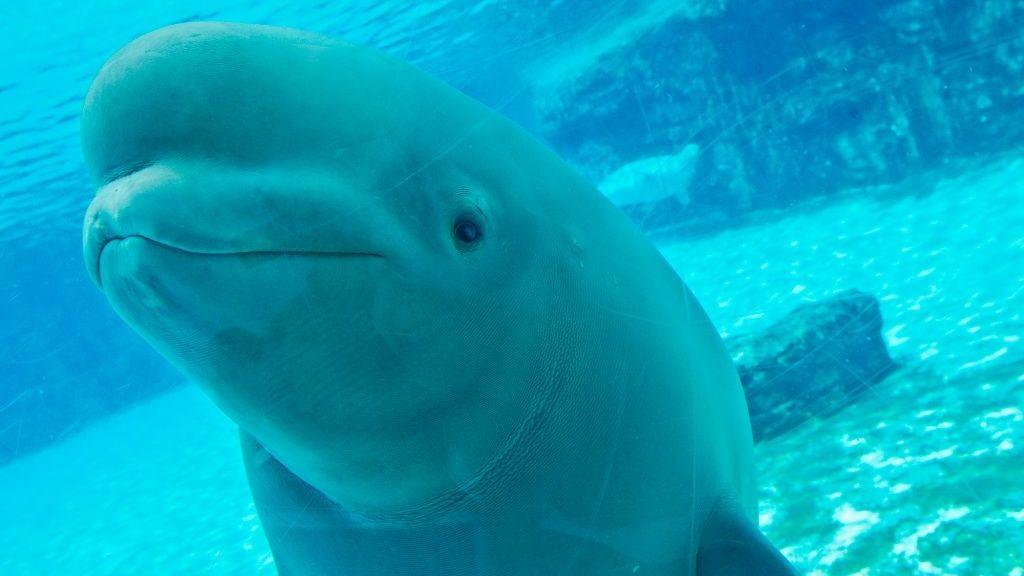
The closure of Marineland, the former Canadian sea‑park near Niagara Falls, triggered a large-scale rescue of its 30 beluga whales and four dolphins. Transported to the United States, the animals arrived at major aquariums in Chicago, Atlanta, San Diego, and San Antonio.
While the transfer was hailed as an escape from planned euthanasia, several of the belugas have since died in their new facilities. Shedd Aquarium in Chicago reports the deaths of five belugas—Peekachu, Rain, Orisis, Caspian, and long‑time resident Beethoven—after they were flown in from Marineland. Oceanogràfic in Valencia, Spain, lost a beluga named Jelly Bean and a dolphin named Echo shortly after arrival.
Necropsies revealed chronic gastrointestinal inflammation in some belugas and foreign objects such as feathers and paint in their stomachs, suggesting stress and illness during transport. In Chicago, a preliminary examination found chronic liver disease in the belugas that had also been transferred.
The case illustrates the challenges of moving long‑acquainted captive cetaceans. According to World Animal Protection Canada, about 3,600 cetaceans are kept worldwide, yet few release options exist for those raised in captivity without wild survival skills.
Alternatives are being considered. A proposal in Nova Scotia would build an offshore sanctuary to house a dozen or so belugas in open water, while another plan would convert the former Marineland site into a hospice‑style care facility. Critics note that such sanctuaries have yet to be proven effective for retiring performing whales.
In the meantime, some aquariums report positive progress. Georgia Aquarium’s new belugas—Balor and Zephyr—showed alert behaviour and vocal communication with resident females after arrival, suggesting that adaptation is possible in a suitable environment.
The incident has reignited global conversation about the ethics of keeping large cetaceans in captivity. Countries such as France and Mexico are tightening bans, and Canada’s 2024 law prohibits both captivity and breeding of whales.
The outcomes of the Marineland rescue will continue to shape policy and public opinion on marine mammal welfare worldwide.