In brief
A 30‑year‑old U.S. tourist died after being struck by lightning while hiking near the summit of Italy’s most active volcano. He was found in cardiac arrest and was flown to Catania hospital, where he was pronounced dead. Mount Etna’s recent eruptions have heightened safety restrictions and caused ash fallout that disrupted air traffic over eastern Sicily. Authorities warn that volcanic gas, sudden weather, and electric storms pose a compounded risk to visitors. Sixty‑odd thousands of people flock to Etna each year for its dramatic activity.
On Sunday, a 30‑year‑old American tourist was struck by lightning while hiking on Mount Etna, the volcano that dominates Sicily’s skyline.
The man, who was not yet named by authorities, was found by firefighters in cardiac arrest inside a restricted area near the summit’s tree line. He was transported by helicopter to Cannizzaro Hospital in Catania, where he was declared dead on arrival.
Mount Etna’s recent flares have been a magnet for tourists, but have also prompted limits on access to its upper slopes because of volatile gas releases and sudden weather changes that can amplify lightning risk.
Italian civil protection warned that the combination of eruptive activity and abrupt thunderstorms can create hazardous conditions for climbers and hikers.
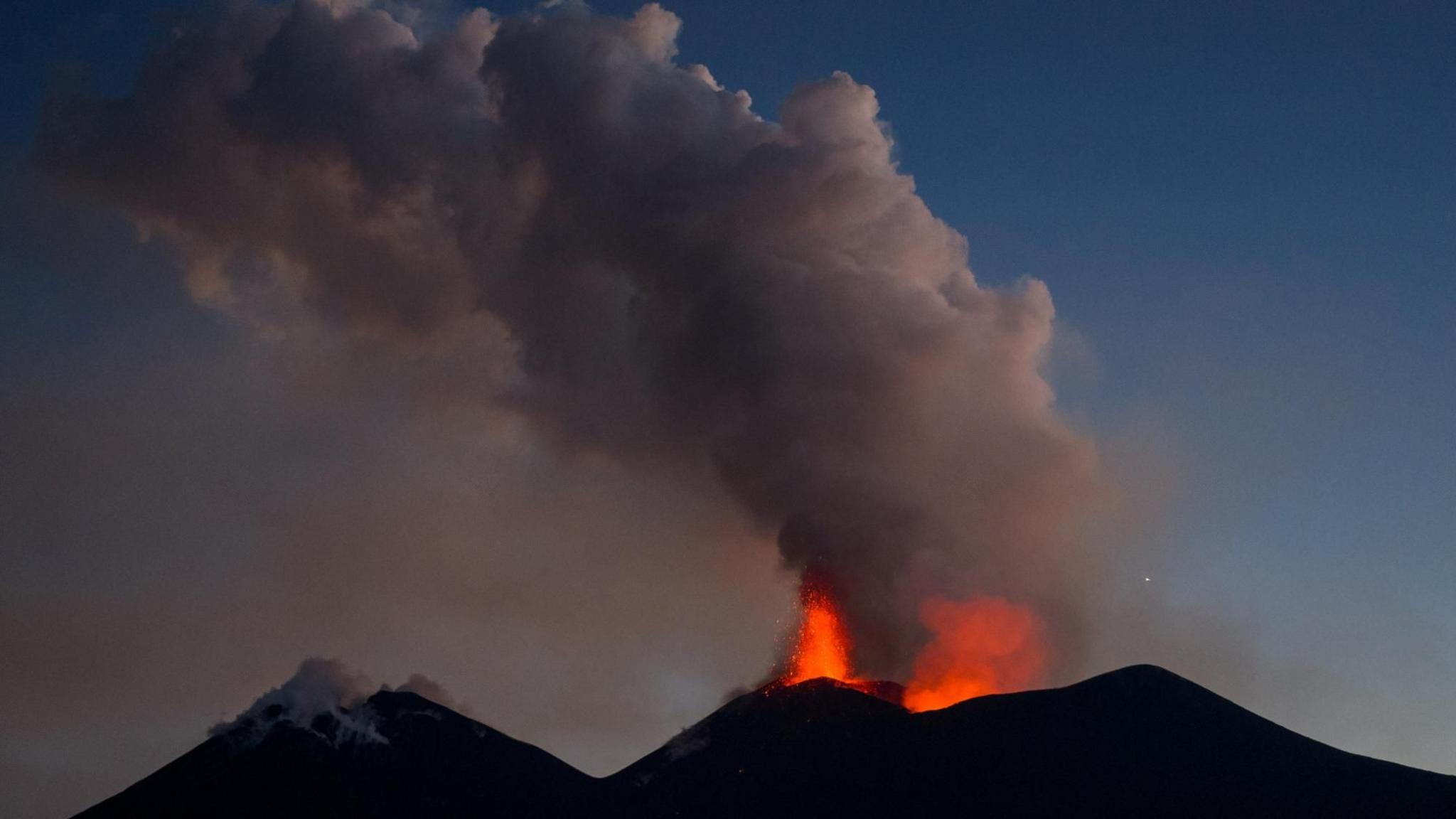
Over the past week, ash plumes from the volcano’s eruptions have obscured eastern Sicily’s skies and disrupted hundreds of flights at Catania International Airport, raising questions about how to balance tourism with safety on this iconic peak.