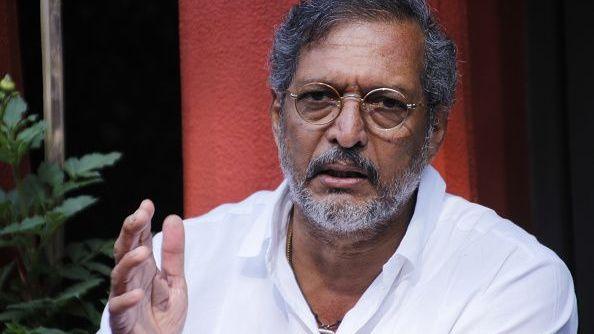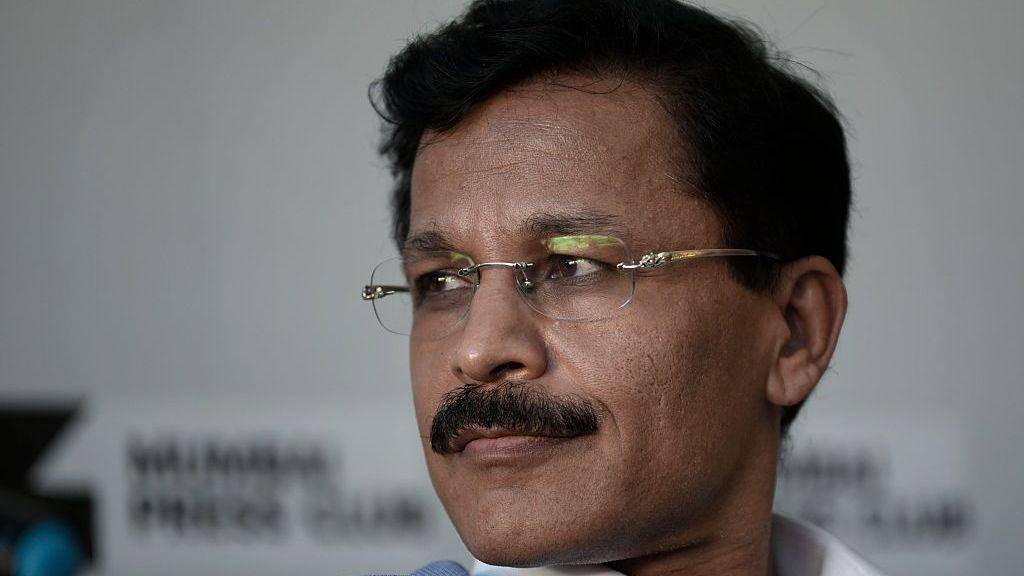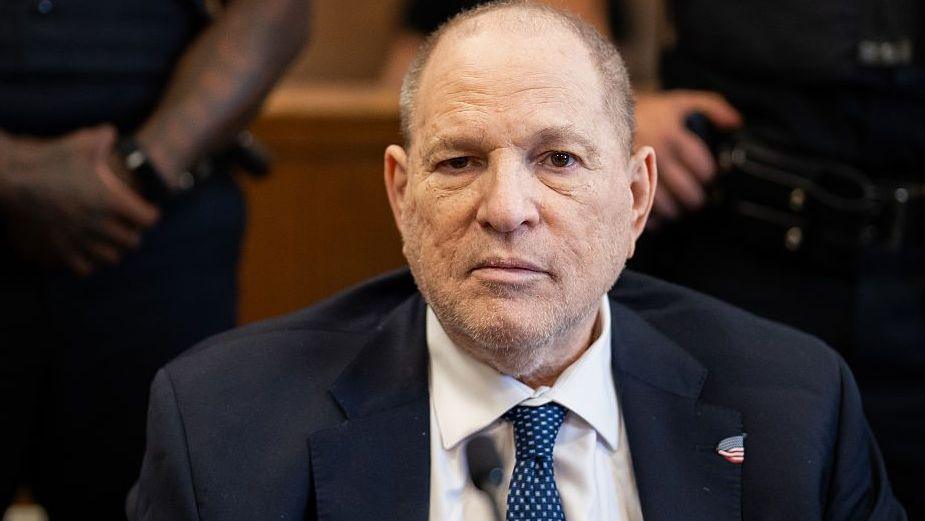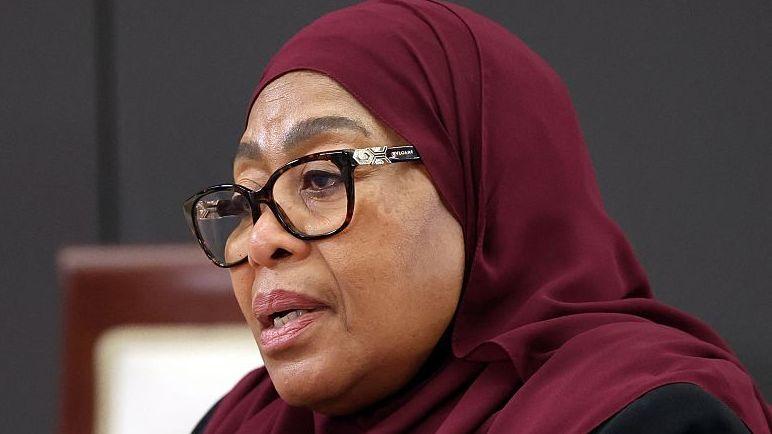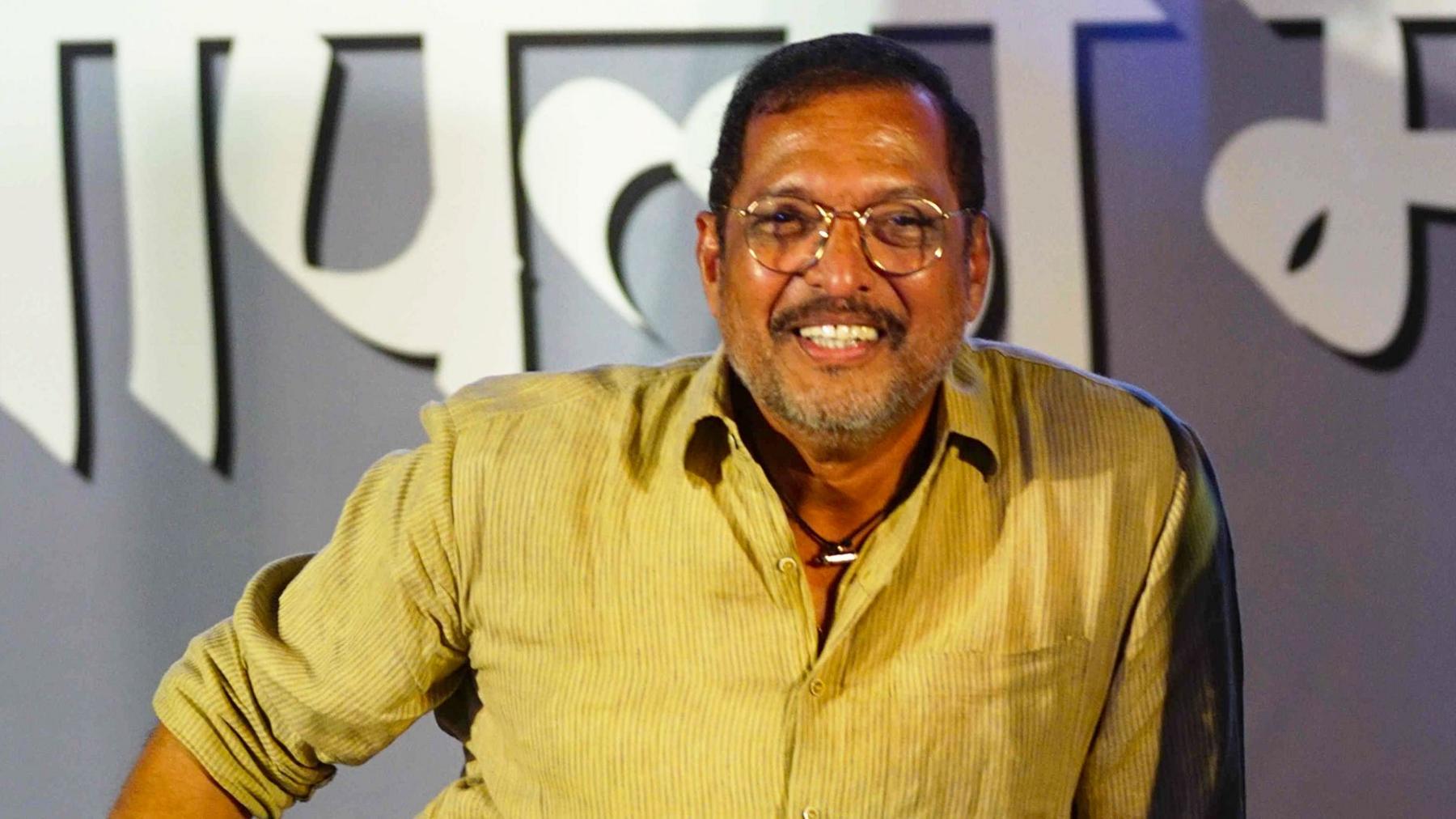
Veteran Indian Film Icon Nana Patekar Dies at 75

Veteran actor Nana Patekar, 75, passed away in Goa after a cardiac arrest, following an unconsciousness discovered at his home early on Thursday morning. Doctors at Manipal Hospital reported a heart failure as the cause, though the exact trigger remains unknown.
Emergency responders performed 45 minutes of CPR, but the actor could not be revived during transport to the hospital, which is located about ten minutes away from his residence.
Patekar’s death has prompted tributes from across the political spectrum. Prime Minister Narendra Modi praised his versatility and outspoken personality, noting that Patekar’s death left a “vast void in the artistic world.” Fellow star Akshay Kumar highlighted the actor’s rare intensity and honesty on screen.
The village of Pune will host a funeral with full state honours later this evening at Patekar’s farmhouse, according to government officials. The ceremony reflects the actor’s national standing and his influence beyond cinema.
Patekar’s career stretched from his debut in Gaman (1978) to a series of landmark roles in films such as Parinda (1989), Krantiveer (1994) and Agni Sakshi (2002). He earned three National Film Awards and multiple Filmfare Awards during his tenure.
In addition to film, Patekar was a prominent figure in Marathi theatre, contributing to plays like Purush and Hamidabai Chi Kothi. His gritty dialogue delivery became a signature style that shaped both stage and screen performances.
Beyond acting, the actor was active in social causes, co‑founding the Naam Foundation in 2015 to support farmer welfare and water conservation. He frequently spoke publicly on agricultural issues, often criticizing government policies.
Patekar’s outspoken nature was not without controversy. In 2018, actress Tanushree Dutta accused him of sexual harassment, a claim he denied. Police later cleared him of the charge in 2019 for lack of evidence.
The actor’s legacy is marked by a fusion of powerful performances, civic engagement and a complex personal narrative. His passing invokes a broad spectrum of responses, from cultural mourning to reflection on power dynamics within entertainment and public life.