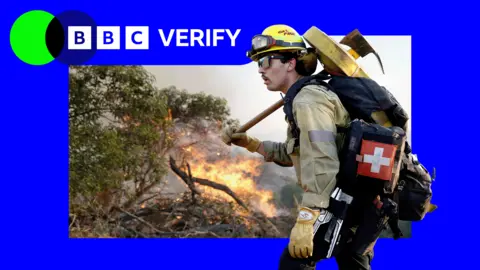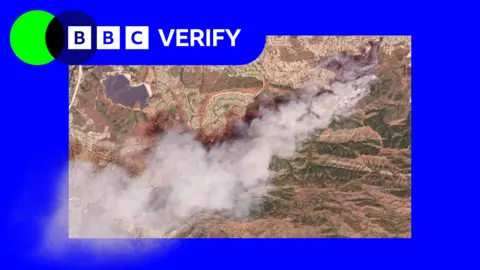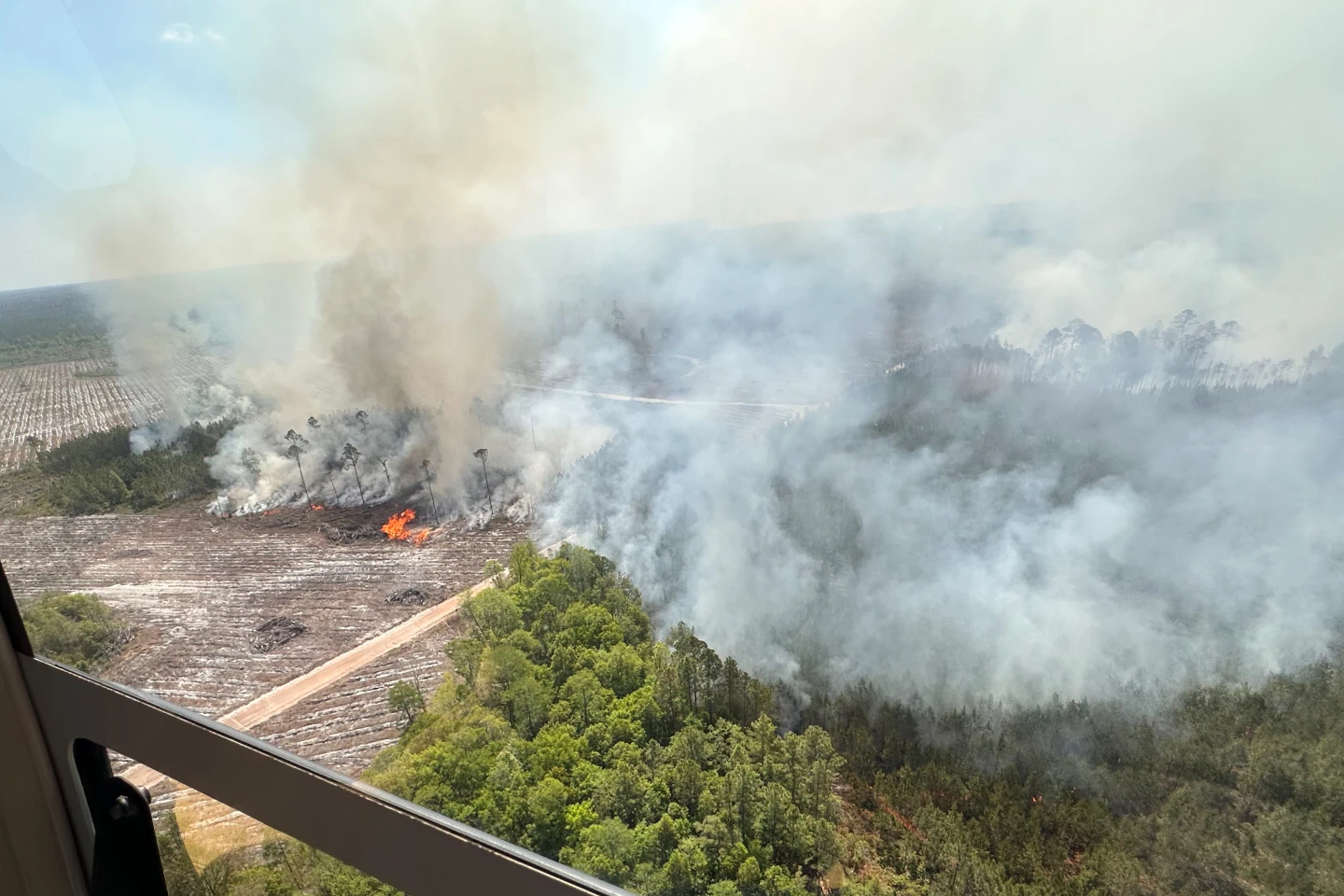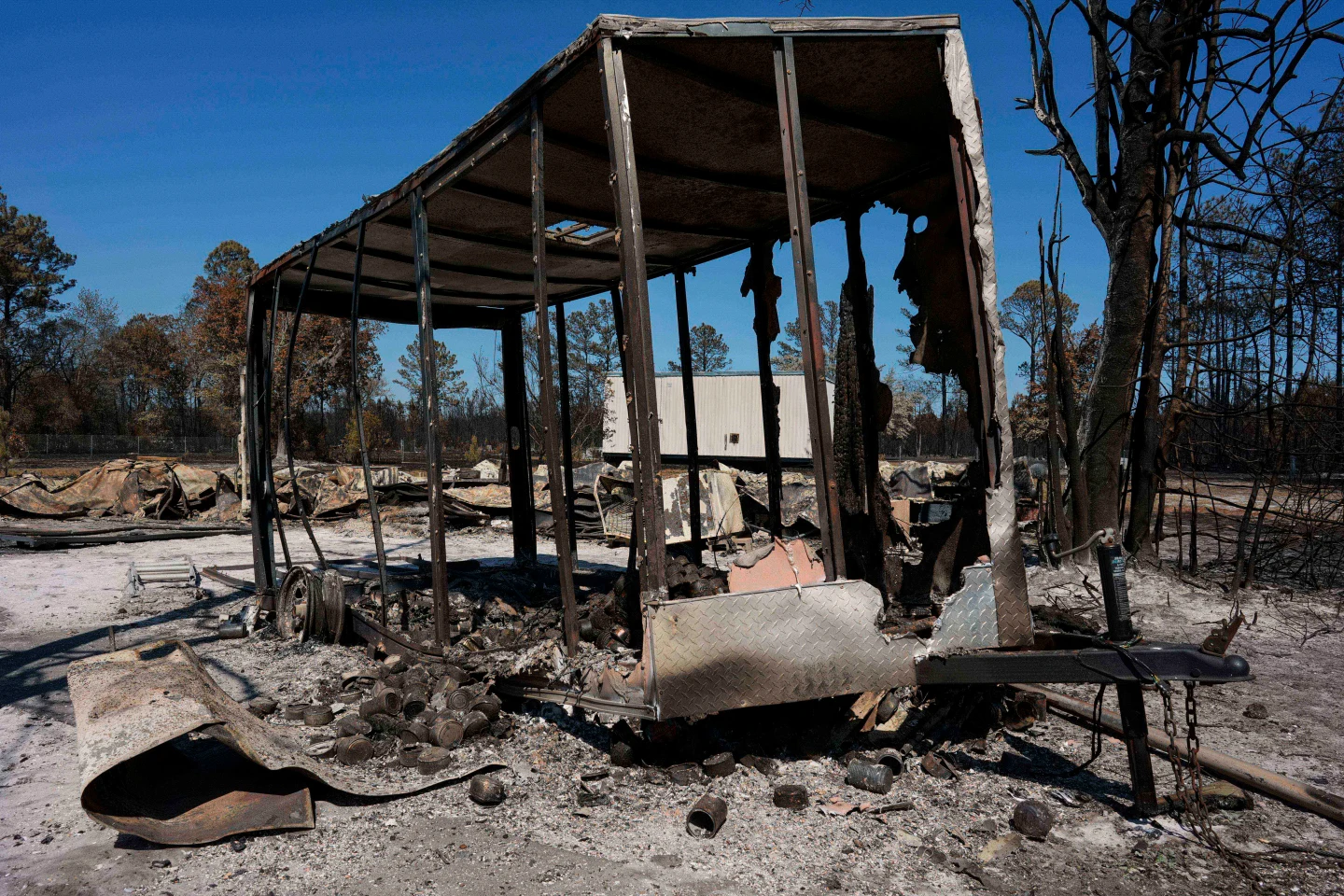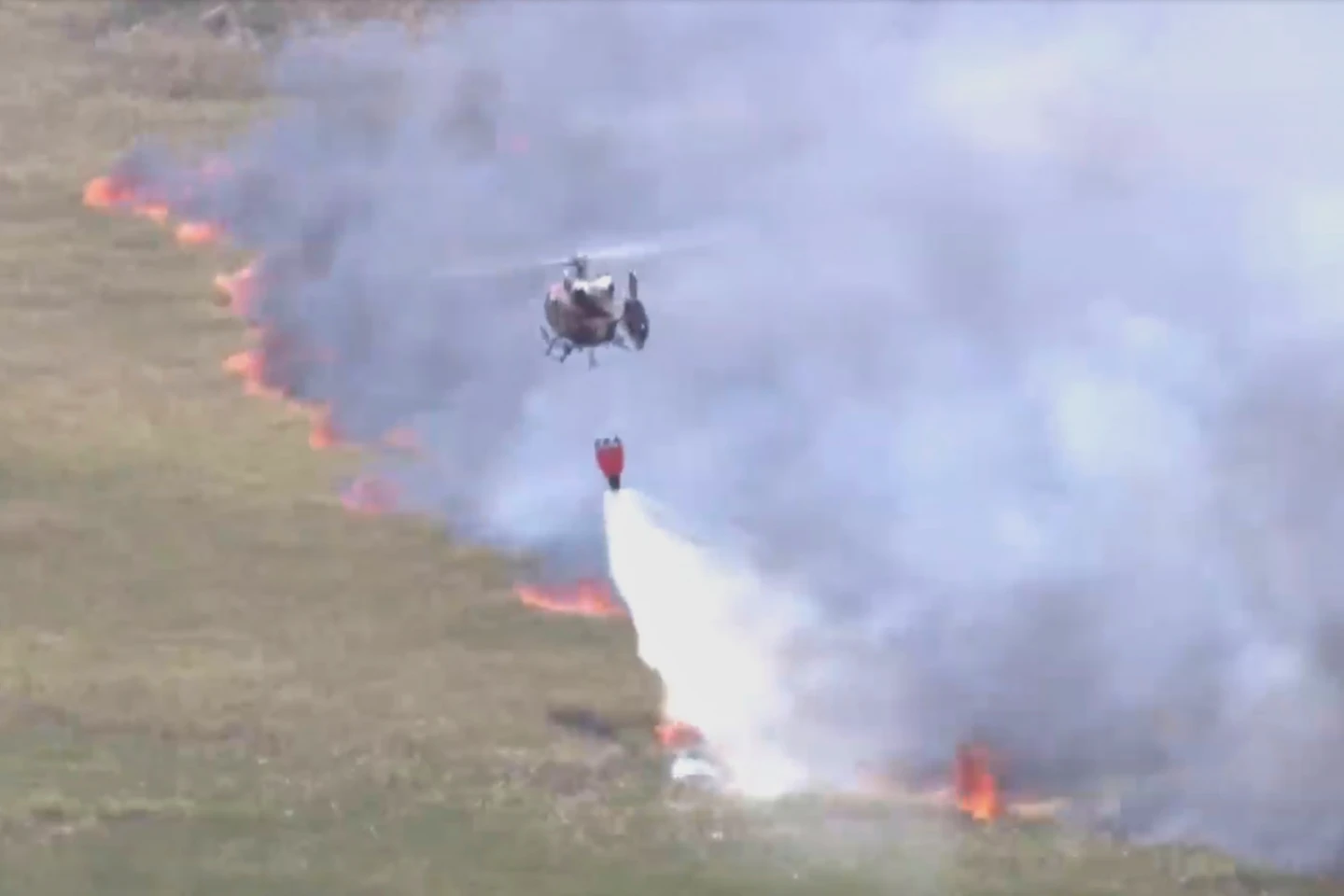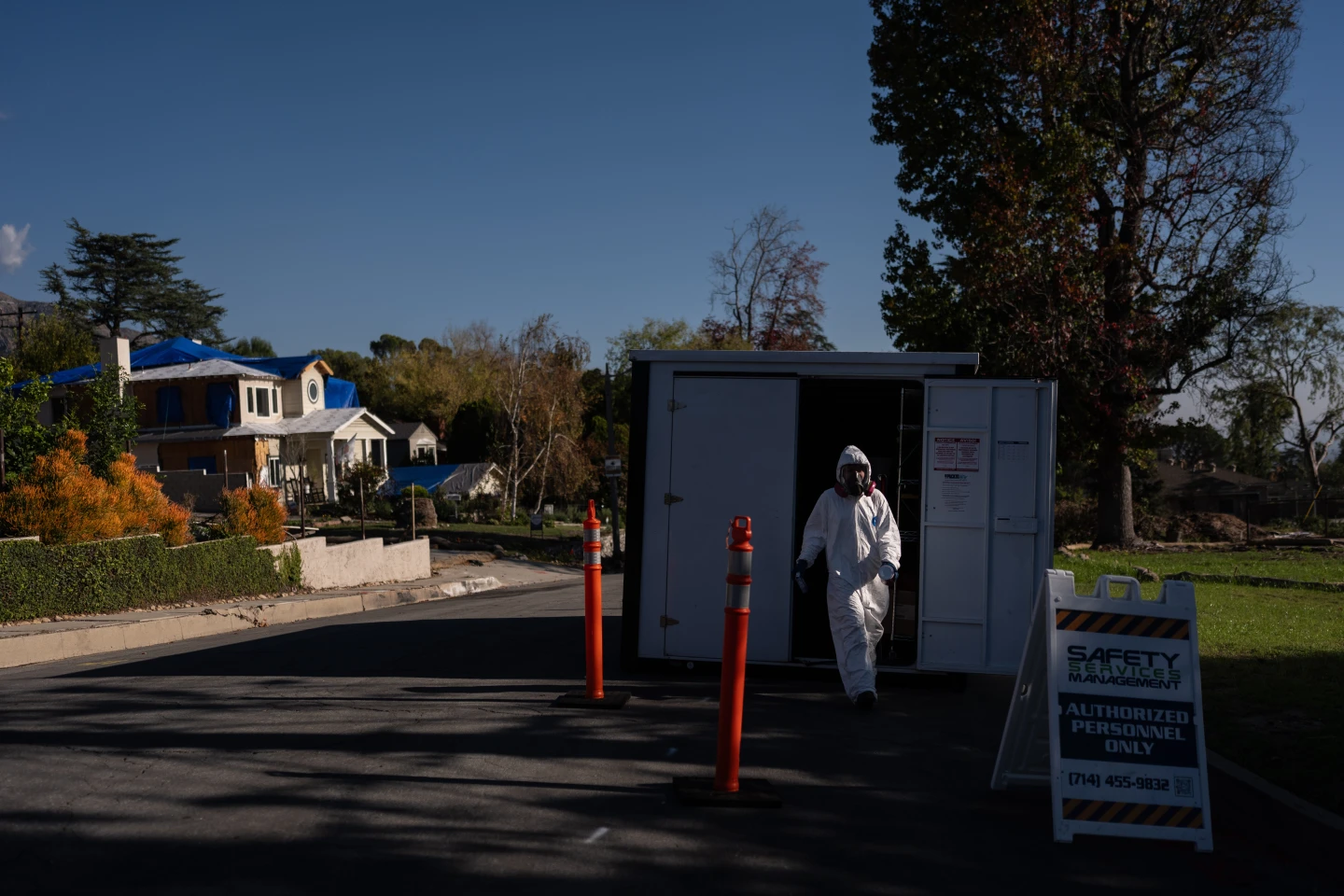
In Altadena, California, signs warn of DANGER: Lead Work Area, reflecting the ongoing fallout from the most destructive wildfires in Los Angeles history, which began on January 7, 2025. The fires claimed at least 31 lives and destroyed nearly 17,000 structures, leaving thousands displaced.
The lingering danger of toxic contaminants has led residents, house cleaners, and hazardous waste workers to don protective gear as they attempt to cleanse their homes of lingering pollutants. Lead and other dangerous chemicals, possibly deriving from burnt materials such as lead paint, have been detected even in homes that remain standing.
Nina and Billy Malone, who have lived in their home for two decades, highlight the personal anguish many are facing as they returned to find harmful lead levels even after professional cleaning. Following insurance cuts to their rental assistance, they had to move back, despite Nina developing daily health issues like a sore throat and headaches. Their concerns are shared by many others who worry about the toxins that remain in their homes.
A report from Eaton Fire Residents United stated that approximately 60% of homes still carry hazardous levels of asbestos and lead. The average lead levels found were nearly 60 times higher than EPA standards, suggesting substantial health risks for those living in these areas.
Even after the fires, volatile organic compounds (VOCs) linked to cancer linger in affected homes. Experts recommend that residents enhance indoor ventilation and utilize HEPA air purifiers to combat these toxins.
As homeowners attempt to navigate the complexities of insurance claims related to their contaminated properties, many feel helpless against corporations unwilling to cover adequate remediation processes. Nonprofits like United Policyholders are assisting residents in understanding their rights and available resources to counteract emotional and financial impacts.
This continued struggle serves as a reminder that for residents, merely having a roof over their heads does not guarantee safety—a reality that will last long after the flames have been extinguished.