Massachusetts Jury Deadlocks in Lindsay Clancy Murder Trial; Judge Urges Further Deliberation
By Ana Faguy, Reporting from Massachusetts court
Published 1 September 2026, 17:37 BST – Updated 1 hour ago

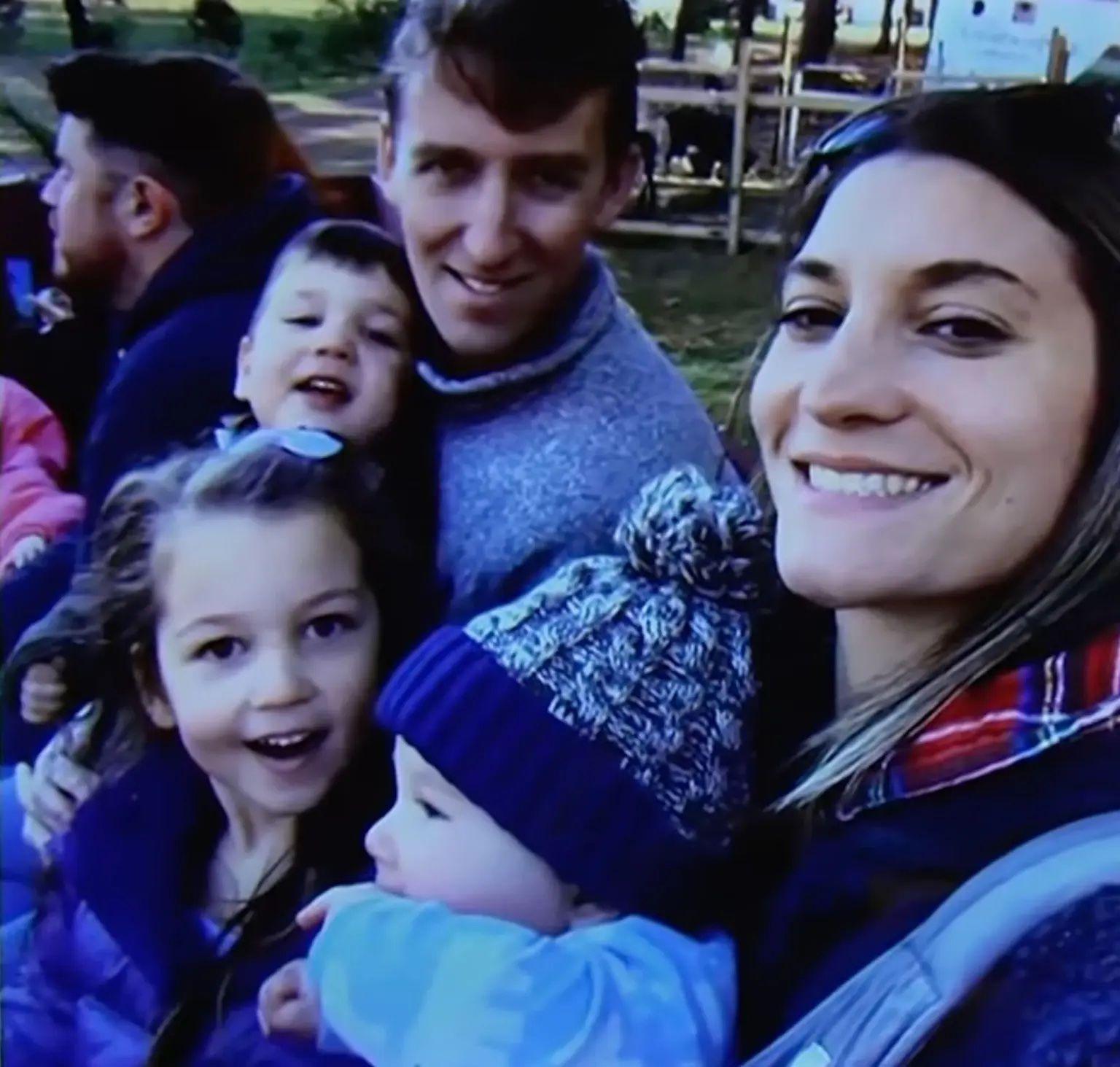
Lindsay Clancy, a 36‑year‑old former nurse, is on trial in Massachusetts for the alleged murders of her three children in a family home in 2023. The prosecution charges her with three counts of first‑degree murder, arguing that she deliberately and premeditatedly killed her five‑year‑old daughter Cora, her three‑year‑old son Dawson, and her eight‑month‑old infant Callan.
Clancy’s defense team countered that she suffered from postpartum psychosis—a severe mental health condition that can arise after childbirth—thereby undermining her criminal responsibility for the killings. Their argument was that she could not clearly distinguish right from wrong at the time.
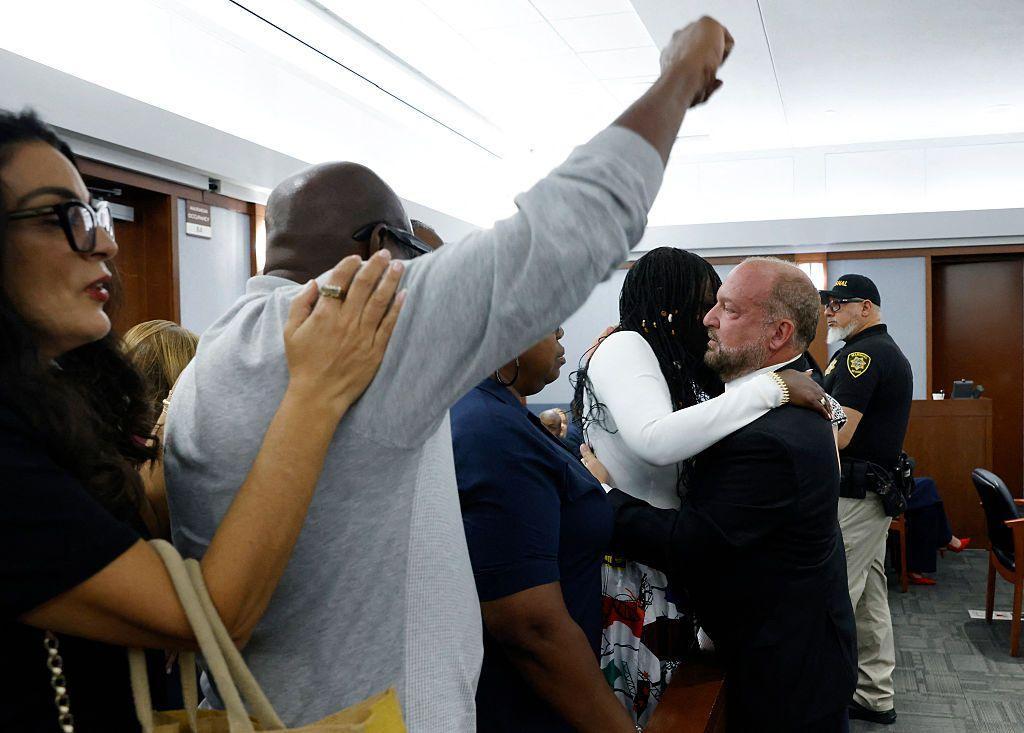
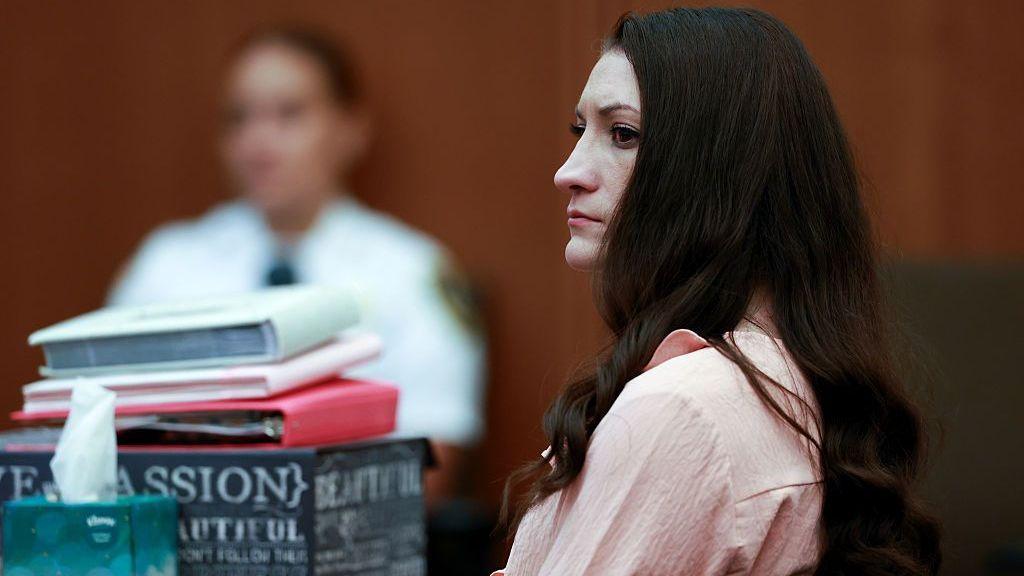
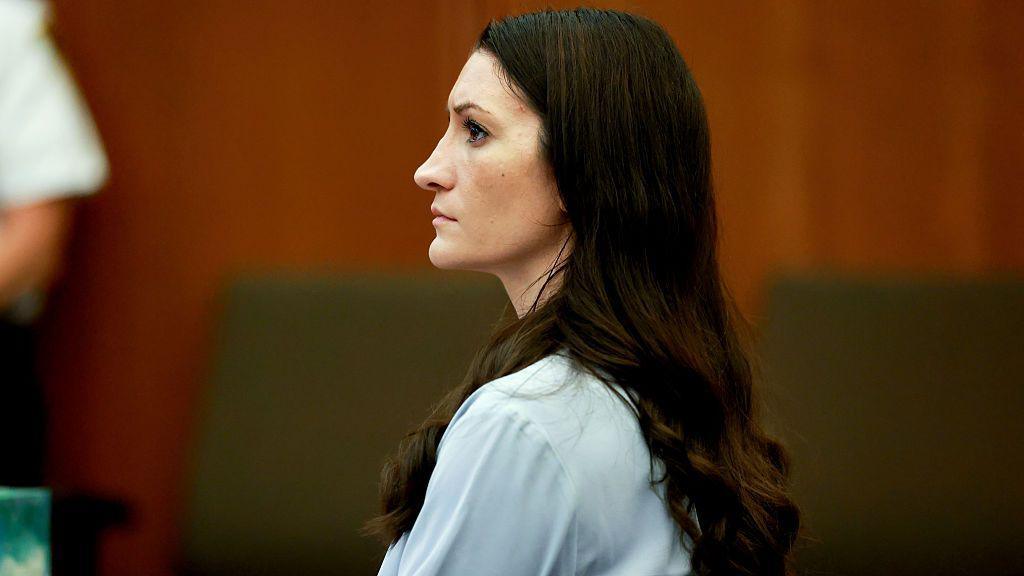
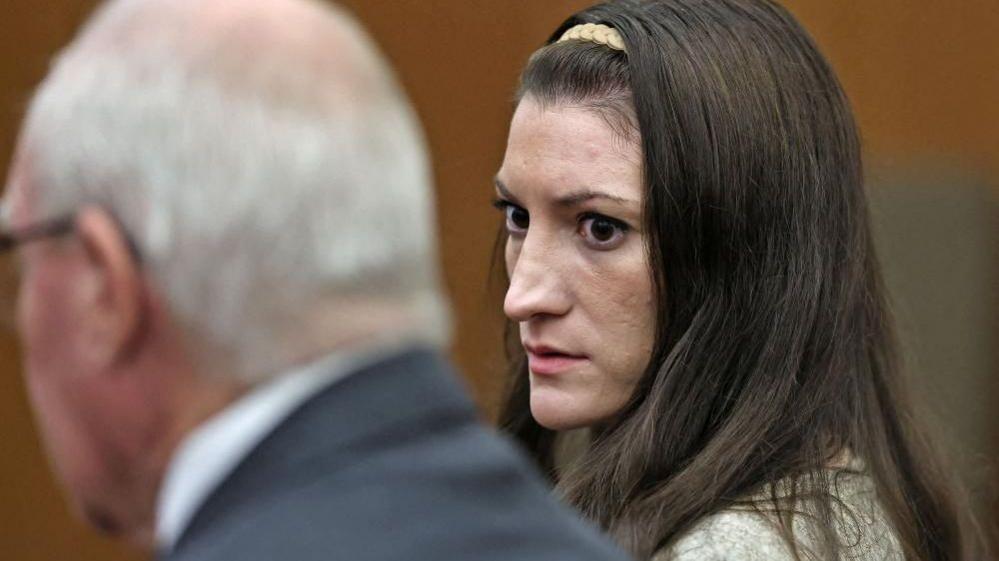
After three days of extensive testimony from numerous witnesses, the jury—comprising nine women and three men—sat to deliberate. On Tuesday, audible gasps filled the courtroom as Judge William Sullivan read out the jury’s death‑lock report. Clancy, who had been left paralyzed after jumping from a second‑floor window days after the killings, remained stoic in a wheelchair beside her lawyer during the proceedings.
In cases where a jury struggles to reach a verdict, judges have procedural tools. Experts in mental‑health law note that a judge may issue a “dynamite” instruction—known in Massachusetts as a Tuey‑Rodriguez charge—to prompt jurors to consider alternative viewpoints and strive toward agreement. However, such instructions are typically a last‑ditch effort when a mistrial might otherwise ensue.
Should Clancy be found guilty on any state of murder, she faces a mandatory life sentence without parole. A “not guilty by reason of insanity” verdict would result in psychiatric confinement rather than release, with her status reviewed periodically.
The judge’s request for the jury to keep deliberating underscores the complex intersection of criminal law and mental‑health considerations in this highly publicized case. The court will now monitor whether the jury can resolve the dead‑lock or whether a mistrial may be declared.