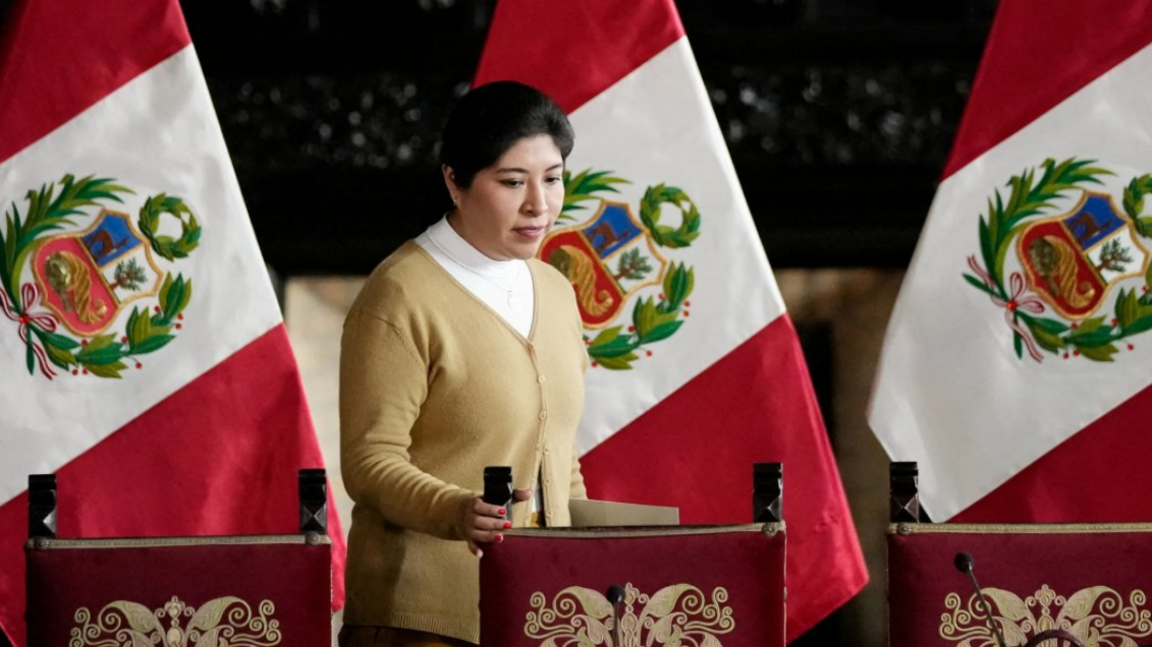
Mexico and Peru have agreed to re‑establish diplomatic ties following a row that began when former Peruvian Prime Minister Betssy Chávez sought asylum at the Mexican embassy in November 2025.
In a joint statement released on 7 August, Lima and Mexico City highlighted the long‑standing “historic ties of brotherhood, friendship and cooperation” as the foundation for the reconciliation, underscoring their mutual respect for international law and the United Nations Charter.
Relations had degraded after Chávez, who was charged with involvement in a 2022 coup attempt that saw the ousted President Pedro Castillo try to dissolve Congress, secured asylum in Mexico. She had been imprisoned in June 2023 and later released on bail, while both she and Castillo had received prison sentences exceeding 11 years in November 2025.
The restoration comes against a backdrop of new political leadership in Peru. Newly elected President Keiko Fujimori took office last week, and her administration signals a possible change in how former political figures are treated and how Peru aligns with its neighbours.
Peruvian Foreign Minister Carlos Espá confirmed that Chávez had been granted safe passage and had already left Peru, noting that the country retained the right to request extradition. Mexican President Claudia Sheinbaum welcomed Chávez and reaffirmed Mexico’s support for Castillo, emphasizing solidarity amid the turmoil.
The incident echoes similar diplomatic fraught moments around the world, where asylum claims by high‑profile political actors can strain bilateral relations, raise questions about extradition, and test the resilience of international law.
Both governments now face the task of navigating these complexities while ensuring that the broader regional stability and democratic norms remain intact.