In brief
Since the Taliban takeover, Afghan families deported from Pakistan and Iran are being pushed back across the Torkham border, creating the largest reverse migration in recent history. Six million people have been repatriated, many of whom never set foot in Afghanistan before. The returnees now wait in makeshift camps with little protection, uncertain about their future, especially women and children who face new restrictions under the Taliban. Humanitarian agencies warn that the resettlement is largely involuntary and may violate international norms. The situation highlights the fragile state of Afghanistan’s political and economic landscape and the tension between national security concerns and basic human rights.
The elderly grimace, hobbling on crutches, and wide‑eyed children stare, cradling chickens carried from homes they were forced to leave behind.
"It feels good to be in my own country," 35‑year‑old Nazia says, just minutes after she crosses from Pakistan, where she was born, into Afghanistan.
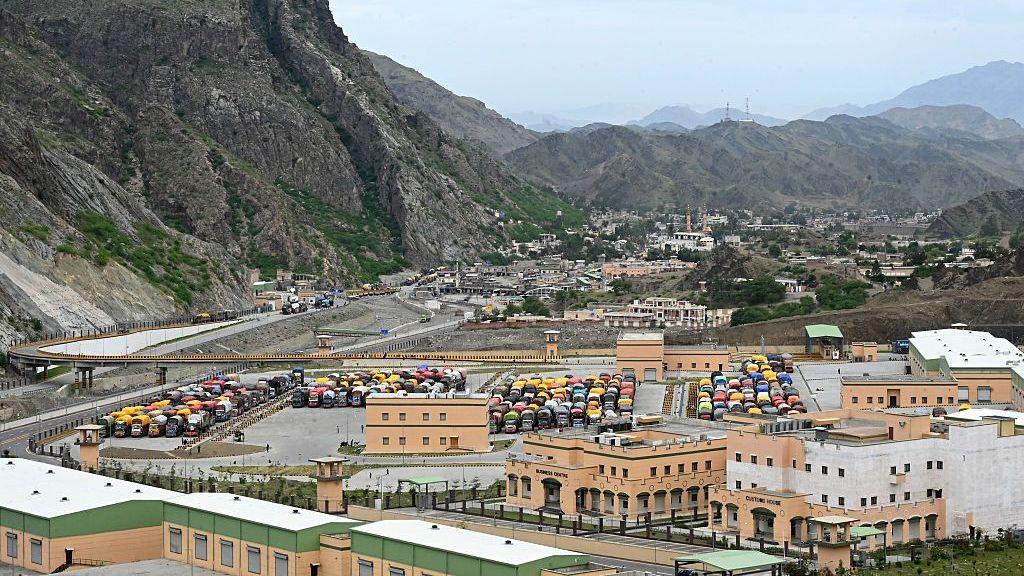
The Torkham crossing, known as “Zero Point”, marks the end of one harsh life and the beginning of another.
"But I've never been to Afghanistan before and many people here don't even have enough bread to eat," Nazia sighs as she heads, two of her children in tow, toward registration counters festooned with white and black Taliban flags.
Nearly her entire family, eight sisters and their offspring, were deported to Afghanistan this year from Pakistan or Iran.
They are part of the biggest cross‑border movement of people anywhere in the world.
Millions of Afghans have fled across the borders to Pakistan and Iran for decades – seeking refuge or employment – and the number escaping Afghanistan has continued to rise since the Taliban takeover in August 2021.
Most are now being forced to return as these two neighbours crack down on undocumented migrants. Nazia and her family were undocumented but the UN and human rights groups say the security sweep is reaching far beyond that group to include registered Afghans too. Even Pakistan now publicly says that Afghans with Proof of Registration cards are not exempt.
The expulsions show no sign of stopping.
The UN’s Refugee Agency estimates that the number forced to return this year from Pakistan and Iran has already reached another million.
"In a little under three years, we've seen six million people, a population that is itself the size of a small country, come back to Afghanistan," says UNHCR spokesperson Charlie Goodlake.
It’s a desolate landscape of tarpaulin and plastic shelters, many now tattered and torn, erected by the UN and other aid agencies to provide refuge for a few nights for people arriving with nowhere to go.
Many returnees have not set foot in Afghanistan for decades; many, like Nazia, have never been here at all.
In the first years after the Taliban swept to power in 2021, some of their ministers made light of humanitarian issues, saying God would provide. The UN now estimates that 21.9 million people, nearly half the country, need assistance this year to survive. The UN H‑C agency UNICEF said last week that one million children faced "life‑threatening" malnutrition.
"No country in the world could handle this crisis on its own," UNHCR spokesperson Goodlake assessed, while acknowledging Taliban government efforts to help returnees as they arrive.
But he adds, "We also know that many of the restrictions and edicts the Taliban put in place, especially on women and girls, don't help us elicit international support".
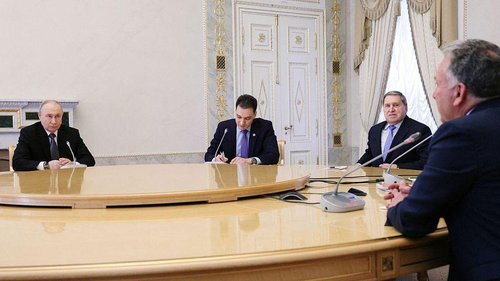
The severe restrictions on the lives of girls and women is one of the major issues in the Taliban's international relationships and that has cost them. Five years on, only one country, Russia, has formally recognised their rule.
But when asked about this, Taliban Foreign Minister Amir Khan Muttaqi points to the deepening diplomatic and economic ties with neighbours such as China and India, as well as Central Asian states. He asks, "those who didn't have relationships with us over the past five years, what have they achieved?" He answers his own question: "Nothing."
All were embarking on the hardest of homecomings, beginning all over again – with almost nothing.