In brief
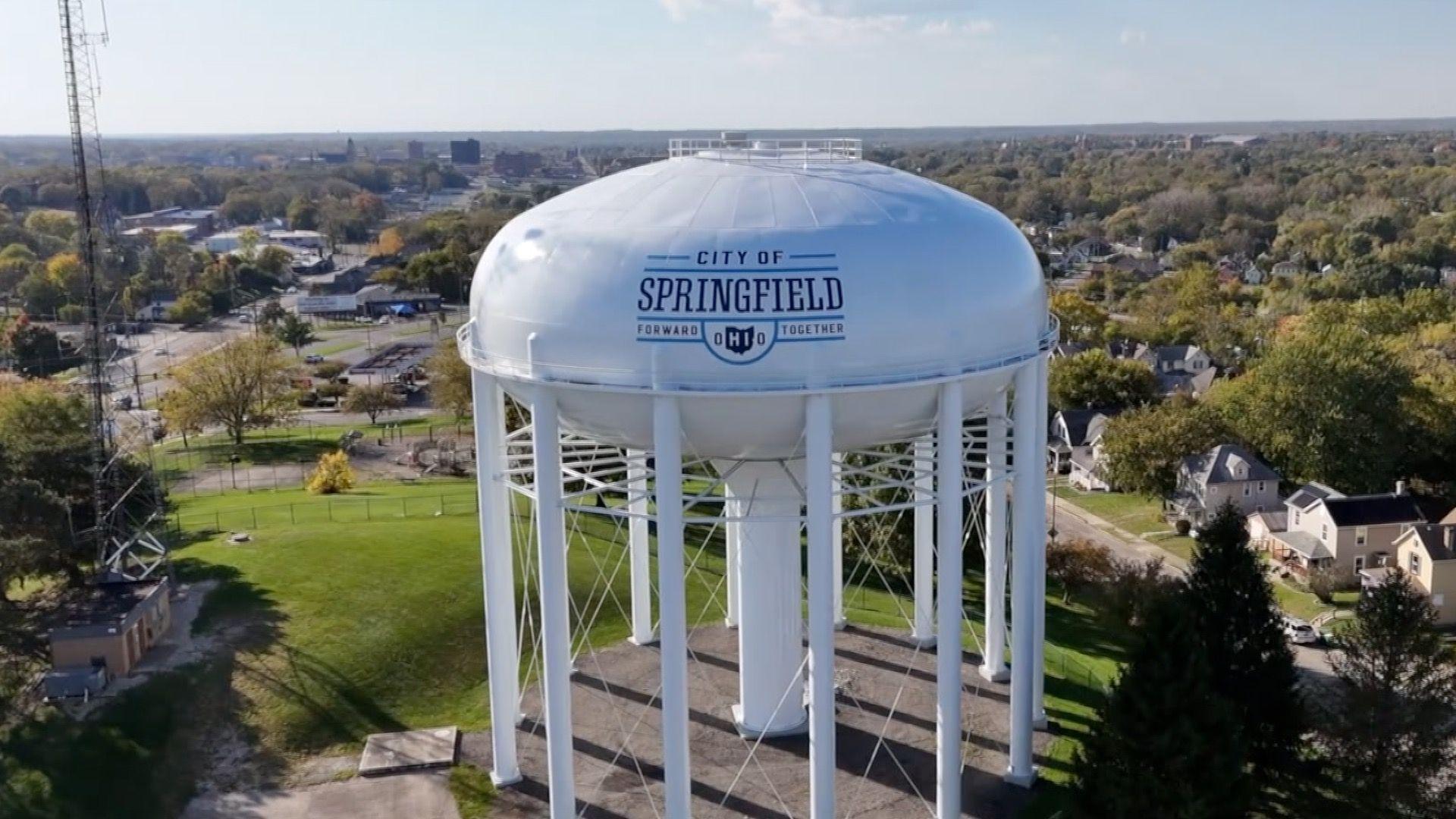
Springfield, Ohio, highlights how a small community can become a national stage, where industrial decline, an influx of Haitian immigrants, and a controversial federal deportation drive intersect. Local residents, political leaders, and humanitarian advocates present sharply different perspectives on the town’s changing identity. The story of Pierre Damas Bel—a young Haitian whose life ended after an ankle monitor—illustrates the human cost behind policy debates. As the 2026 midterms loom, Springfield embodies the tensions between law‑enforcement priorities and the need for inclusive communities. This balanced account explores the various narratives shaping the town’s future.
Springfield, Ohio—From Decline to a National Spotlight
The once quiet town of Springfield in southwest Ohio has become a microcosm of the nation’s struggle over immigration, economic change, and political rhetoric. In 2024, former President Donald Trump used the town as a live‑blog example of what he described as the dangers of unchecked immigration, citing a false claim that Haitian migrants were eating pets. Today, he frames the same place as a symbol of “getting the town back,” citing a mass deportation drive aimed at ending Temporary Protected Status (TPS) for Haitians.
A Town Built on Forgone Opportunities
Springfield’s economic history is common to many Midwestern centres: factories once hummed with activity but have since shuttered, leaving behind boarded‑up homes and a reduced local workforce. Across the last five years, this vacuum has been filled by an estimated 20,000 Haitian immigrants, many fleeing earthquakes, political instability, and violence. With TPS, they could legally work and study, taking jobs in warehouses and distribution centres, and contributing to the community’s resurgence.
The Human Face of Policy—Pierre Damas Bel
Born in Haiti in 2004, Bel arrived in Springfield in 2024 with his family, hoping for safety and a better future. Under the Biden‑era TPS program, he first received a temporary protection status, then anechoed legal status that let him work and study. However, when the Trump administration, backed by a Supreme Court ruling, ended TPS for Haitians, Bel found himself classified as an undocumented migrant overnight. Faced with an ankle monitor and injunctions to report to ICE every two weeks, he was trapped in a position he described as “shame and humiliation.” On 31 August, he tragically died after walking into oncoming traffic near Springfield.
Community Voices: Supporters of Enforcement
Rick Johnson, a lifelong Springfield resident and former Marine, exemplifies the town’s pro‑ICE sentiment. He openly affirms the deportation drive, framing it as a return of “American values.” Johnson notes that many of his neighbours are Haitians, describing them as harmless but believing that the sheer number of newcomers threatens the local fabric. He worries that the rapid increase in population, coupled with his perception of higher accident rates, warrants stronger migration controls.
Local Businesses and the Reality of Loss

The dramatic loss of TPS has ripple effects. A local store, run by Paschur Castelly, sees dwindling foot traffic as buyers lose work permits and face legal uncertainties. Workers like a former warehouse employee now struggle to claim wages, often pointing to an ankle monitor they were forced to wear as a symptom of the new enforcement regime. These economic stresses are tangible evidence of how a federal policy can reverberate through a town’s livelihoods.
Political Momentum Ahead of the Midterms
Ohio’s status as a swing state ensures that Springfield’s story will not be a footnote. Two Republican seats and an influential midterm Congress are on the line, and Donald Trump has already visited twice, extolling the town’s “good old America” and promising a deliverance from immigration “chaos.” In a social media clip from August, Greene Department of Homeland Security featured Haitians in white uniforms heading onto a deportation flight, accompanied by music that many critics argue reduces the complexity of the crisis to a spectacle.
Law‑Enforcement Perspective
The DHS and ICE maintain that deportations are a legal exercise of the U.S. government’s borders. A GH spokesperson emphasised that apparent choice—removing a monitor and reporting or accepting removal—was presented to migrants. However survivors and family members counter that these choices are often constrained by fear or ignorance, whereby compliance is coerced rather than voluntary.
A Humanitarian Lens
The loss of TPS not only uproots legal status but also cuts off access to healthcare, education, and basic services. The community’s humanitarian centre, co‑founded by Viles Dorsainvil, has seen a steady wave of refugees, many who have fought to keep their ankle monitors removed, a task that remains largely blocked by bureaucratic hurdles. Critics argue that the deportation drive disproportionately affects the most vulnerable, forcing them into precarious legal and economic positions.
The Dual Narrative of Springfield
In light of the ongoing debate, Springfield stands as a living case study. On one side, proponents view it as an awakening to the “real” costs of unregulated immigration, citing economic decline and safety concerns. On the other, human rights observers stress the dignity of refugees fleeing war and instability, arguing that policy should accommodate compassion and stability. As the nation’s political climate shifts, the town’s future will hinge on the convergence of local realities, federal policy, and voter convictions.
For more details on organisations that can help those affected by immigration policies, visit the BBC Action Line, or the global platform Befrienders Worldwide.