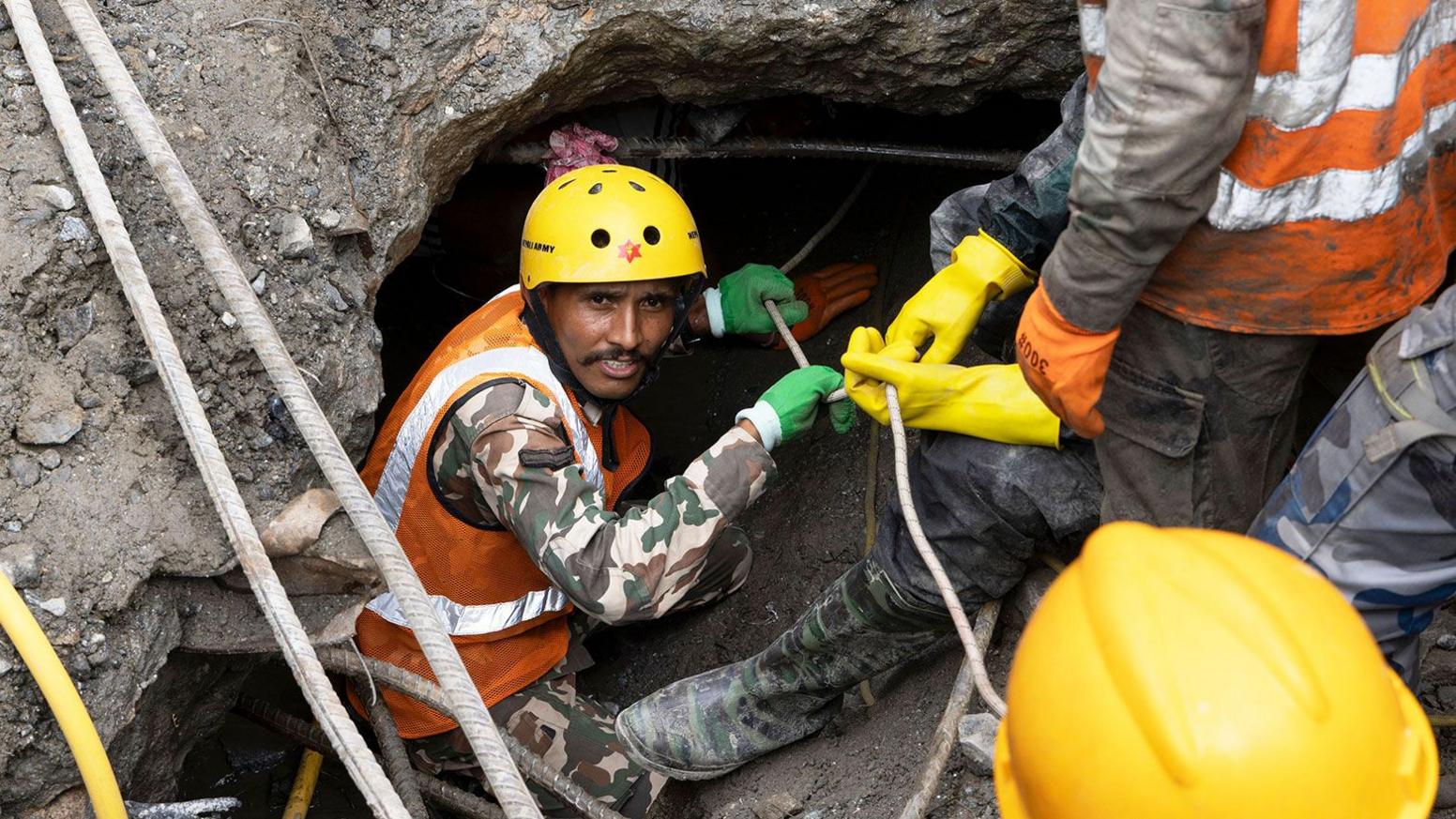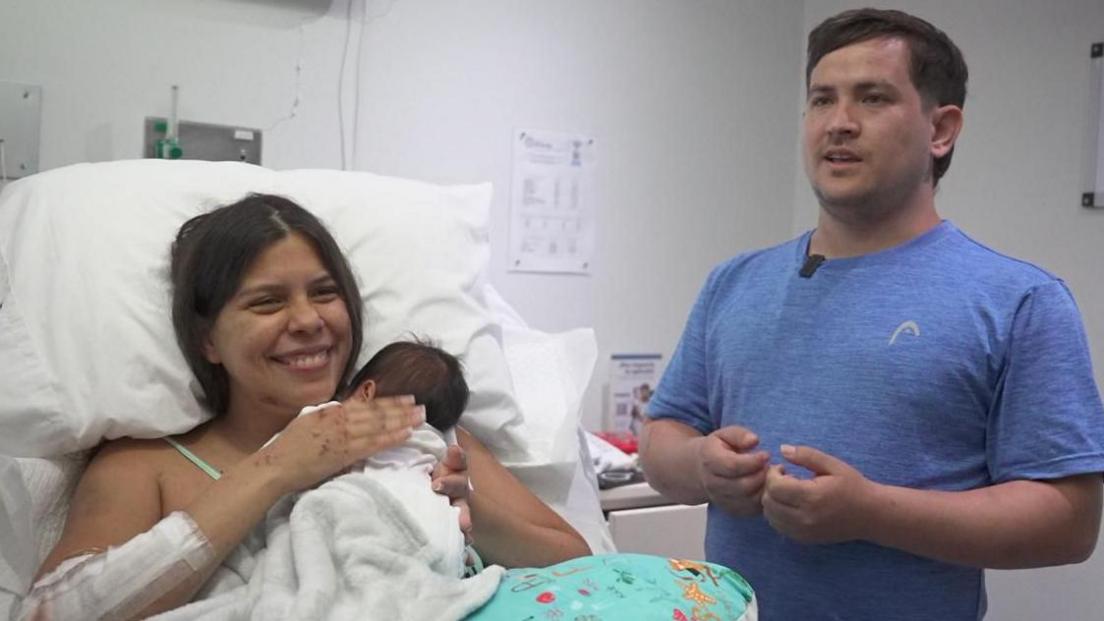
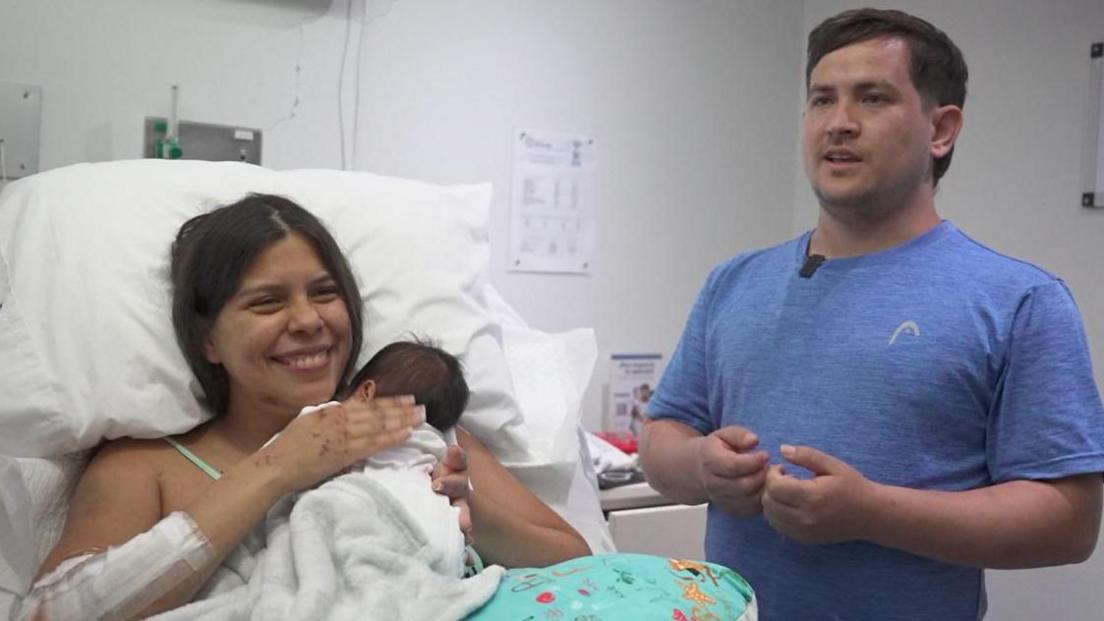
Ten days after twin earthquakes rocked northern Venezuela, a mother named Dayana Patino was recovered from the collapsed rubble of her eighth‑floor apartment, clutching her 18‑day‑old son, Juan David. In a later interview for the BBC, she explained that holding her baby gave her the will to survive.
She said she kept her son’s breathing in check by touching his nose, and that “as long as he was alive, I was going to be alive.” This simple act of holding and caring kept her consciousness from slipping away beneath the weight of concrete.
The footage of the rescue, which was shared worldwide, turned Juan David into a beacon of hope for the country that is still grappling with the consequences of the disasters, which claim at least 1,450 lives.
The interim president has described the calamity as the most brutal natural catastrophe in Venezuela’s history, and search workers continue to look for tens of thousands of people still missing.
Dayana recalled the moment of the quake: her building slid and she was swept into a pit. She described feeling as if she was in the air, then rushed into a dark, crushing space beneath the earth, and only after a few frantic breaths did she hear her brother’s voice calling her name.
“I would not leave until you were out,” her brother’s promise echoed in her mind as he fought through damaged roof. That pledge guided a delicate rescue operation that finally pulled both mother and baby from the rubble late on Thursday night.
Although both remained with minor injuries—Dayana sustained leg injuries from the collapse and the baby only a few bruises—recovering the specific story of survival added a human silver lining to a tragedy that has already strained a nation.
Following the rescue, Dayana’s husband Gerson expressed that witnessing his son’s breathing and the moment he felt his hand was a life‑affirming miracle. The couple, who lost nearly all of their possessions, now talk about rebuilding everything.