In brief
NASA successfully launched the Nancy Grace Roman Space Telescope from the Kennedy Space Center, a next‑generation observatory with a field of view 100 times that of Hubble and James Webb. Carried by a SpaceX Falcon Heavy rocket, Roman will survey billions of galaxies, hunt millions of exoplanets and probe the nature of dark energy and dark matter. The mission represents a key collaboration between NASA and the private aerospace sector, while also capturing political attention—from President Trump’s congratulations to NASA officials’ remarks on the search for extraterrestrial life. Scientists expect Roman to operate for five years, with the possibility of extending its lifespan to ten, heralding a new era of wide‑field astronomical research. The launch underscores both the dramatic technological progress and the ongoing debate over funding priorities in space science.
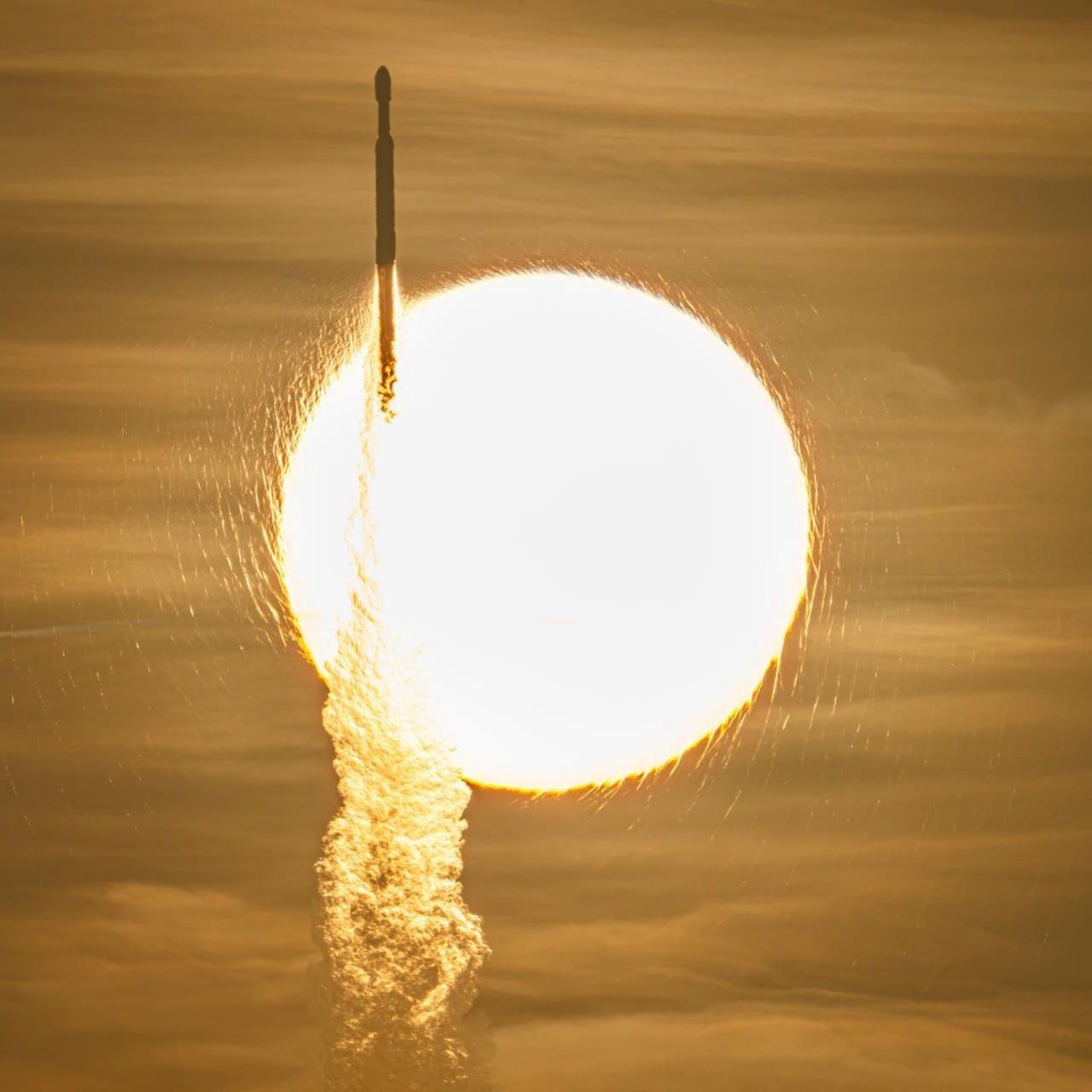
NASA’s next‑generation observatory, the Nancy Grace Roman Space Telescope, has been launched into orbit from the Kennedy Space Center, heralding a new era in wide‑field space science.
Carried by a SpaceX Falcon Heavy booster, Roman benefits from a field of view that is about 100 times larger than its predecessors, the Hubble and James Webb telescopes. This expands the sky that can be surveyed in a single exposure and allows for the rapid mapping of billions of galaxies, the discovery of millions of exoplanets, and the exploration of dark energy and dark matter.
The launch was announced by NASA administrator Nicky Fox, who highlighted the telescope’s potential to answer whether humanity is alone in the universe. NASA officials stressed that Roman’s surveys will test theories of the universe’s accelerating expansion and will identify exoplanets that might be habitable.
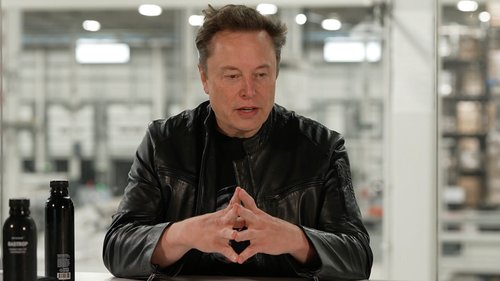
The mission has also drawn political attention. President Donald Trump called the launch a moment of national pride, noting the U.S. “always at the front of space.” Meanwhile, other leaders and industry partners have emphasized the collaborative nature of space exploration, praising the partnership between NASA and SpaceX.
Experts point out that Roman’s five‑year design life, with plans for a possible decade‑long extension, will deliver transformative data for astrophysics, cosmology and planetary science. As the telescope moves away from Earth, scientists are preparing for an unprecedented data stream that will shape our understanding of the cosmos for years to come.