In brief
In Amsterdam, escalating tensions have led to increased arrests following violent attacks against Israeli soccer fans. The violence is seen as a manifestation of broader integration issues, as political leaders address the challenges posed by ongoing conflicts in the region.
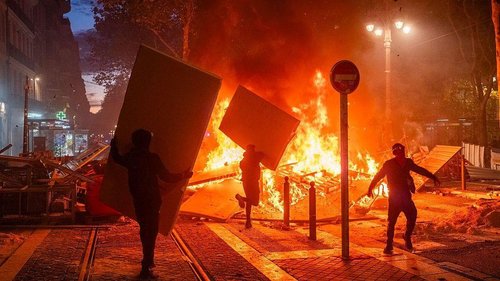
The situation in Amsterdam has become increasingly volatile as police have arrested five more individuals connected to antisemitic attacks on Israeli soccer fans, bringing the total number of detentions to eight. These incidents occurred following a match between Maccabi Tel Aviv and a Dutch team, inciting unrest throughout the city. Authorities have expressed serious concerns over the nature of the violence, with Dutch Prime Minister Dick Schoof pointing to the escalated conflicts stemming from the Israel-Gaza war that started with Hamas's surprise assault on Israel on October 7, 2023. Responses to protests have varied, but a significant number have remained peaceful despite the backdrop of tension, which has been heightened by the war’s ongoing impact.Schoof noted that many of those arrested appear to have "a migration background," indicating deeper socio-cultural issues that reflect ongoing struggles with integration within Dutch society. Local unrest has also been compounded by recent riots where vandalism and fireworks have created dangerous situations, such as a tram being set ablaze. The police have encouraged the public to share any video evidence to aid investigations and prevent further violence. Additionally, the situation has spread beyond Amsterdam, with recent arrests in Belgium, where youth were apprehended for inciting attacks on Jewish residents via social media. The overall tense atmosphere in the Netherlands can be attributed not only to local relations but also to international conflicts that have pushed communities into polarized positions. The government remains under pressure to address these incidents while fostering a climate of social cohesion amid rising anti-Semitic sentiments.