Nation‑wide Mourning in Nepal After Devastating Glacial Flash Flood
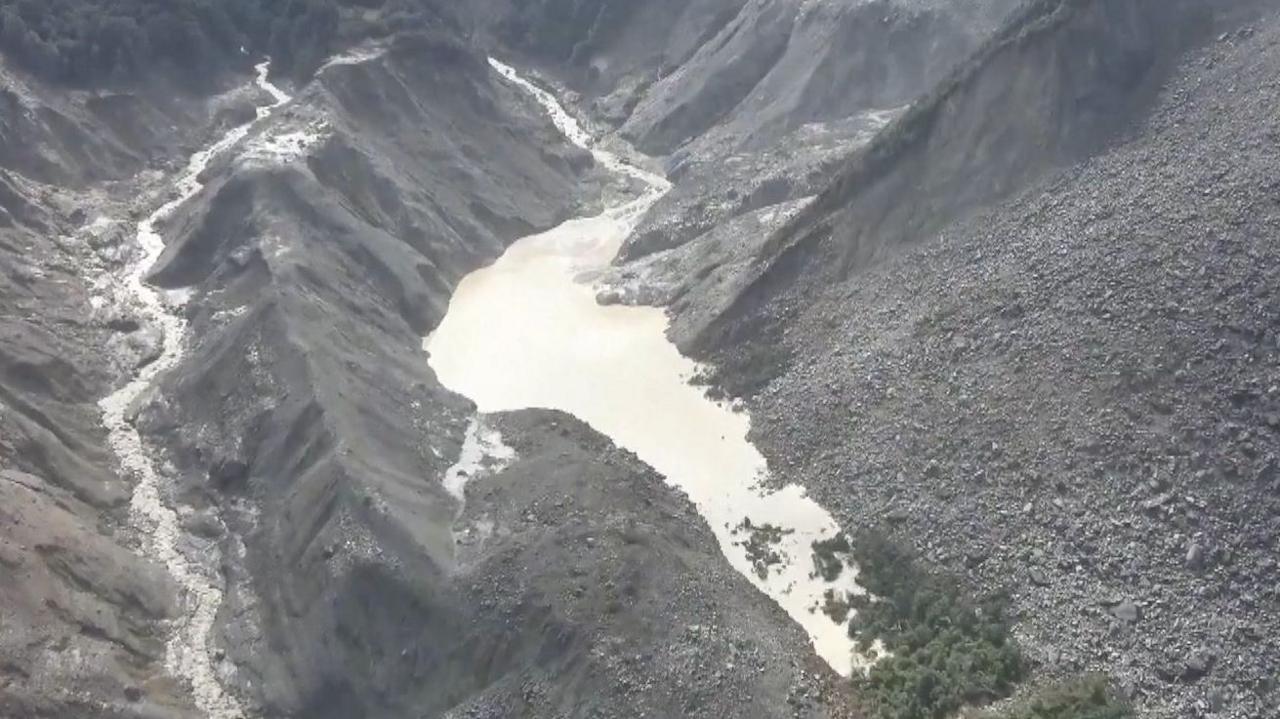
Hundreds of Nepali families lost fourteen months of mourning after a flood caused by a glacial collapse took more than 1,200 lives and left 5,000 people missing.
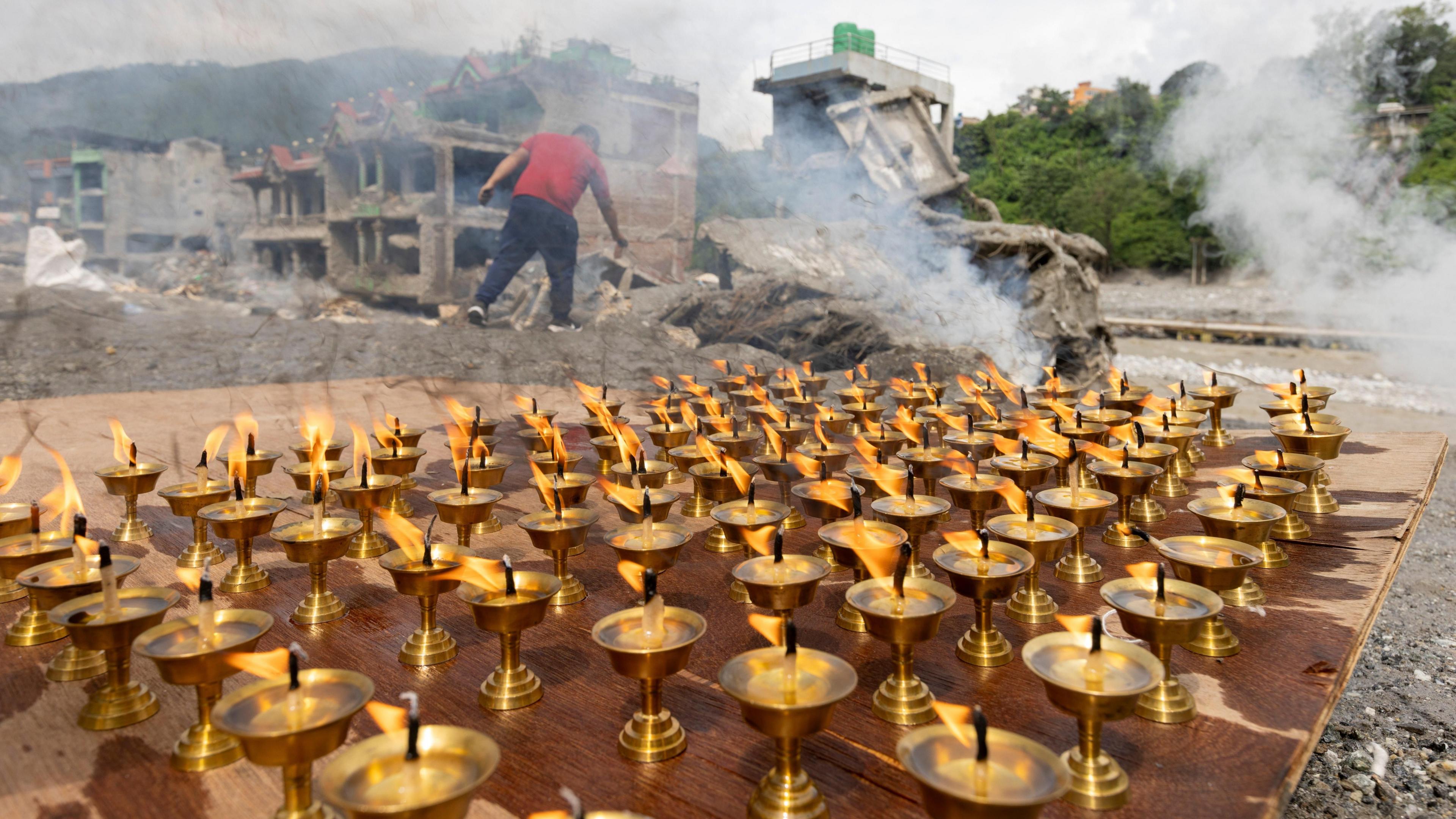
The country marked the final day in a 13‑day Hindu mourning period with candlelight vigils, while flags flew at half‑mast across government offices and embassies.
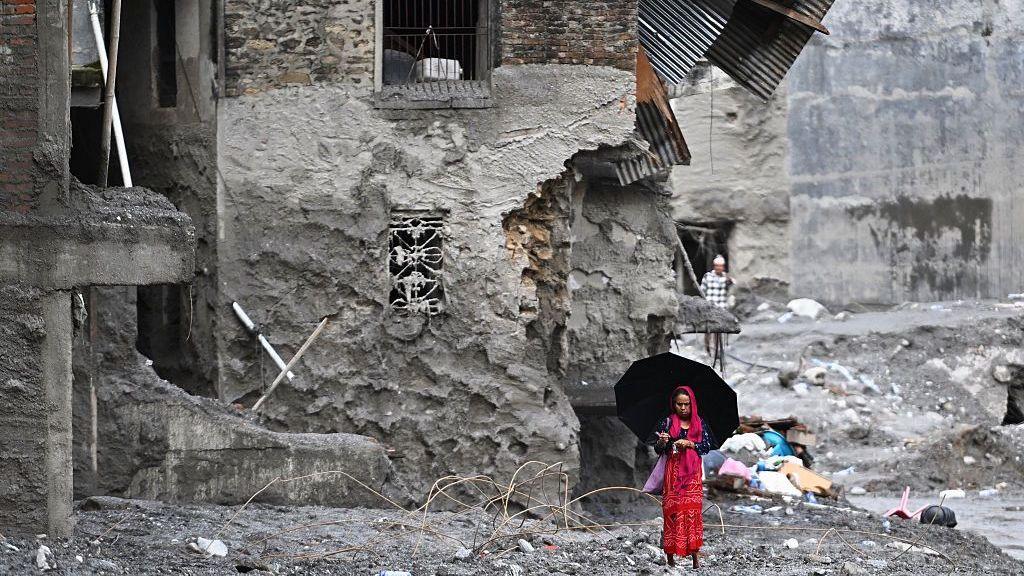
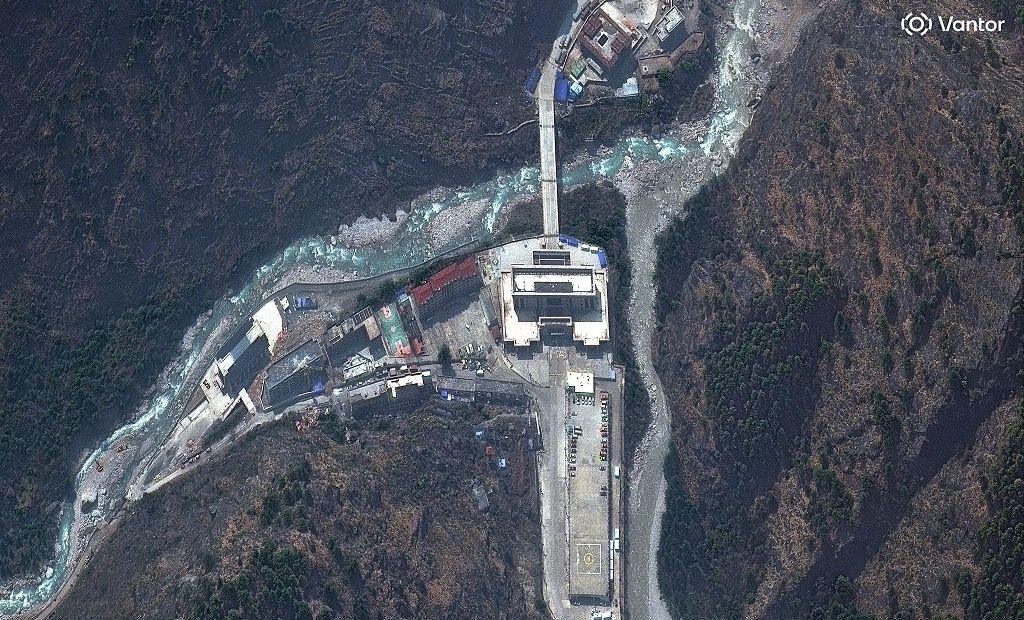
The flash flood, which swept through Nuwakot district near the Tibet border, damaged homes, hydropower stations and villages, prompting ongoing rescue efforts that Reuters has followed for the past week.
In a statement, the National Emergency Operation Centre said that “no government programmes will be organised because the search and rescue operation is still going on.”
President Ram Chandra Paudel toured the ruins and met with survivors’ families; the Ministry of Home Affairs ordered that all missions abroad display the national flag at half‑mast.
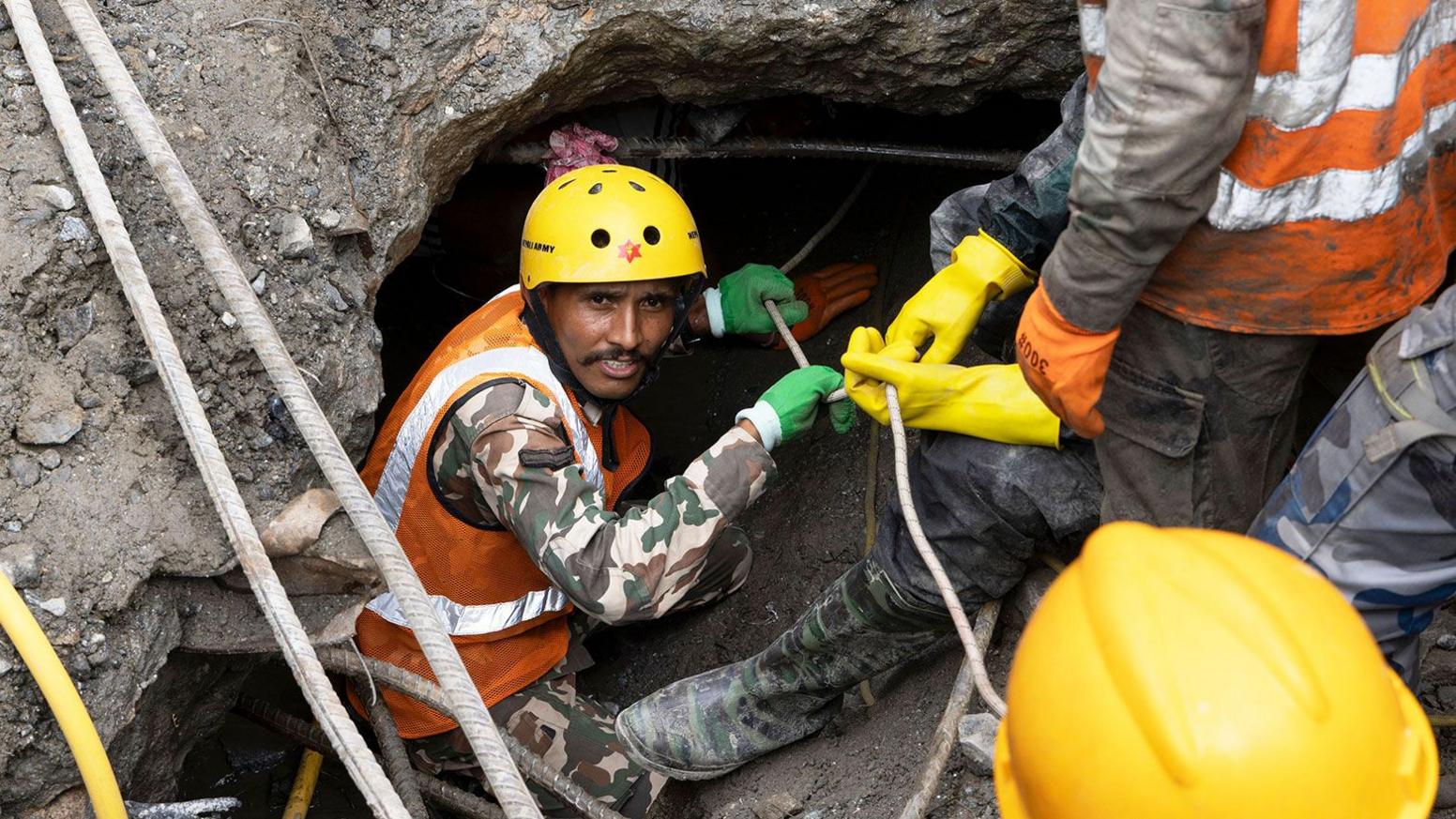
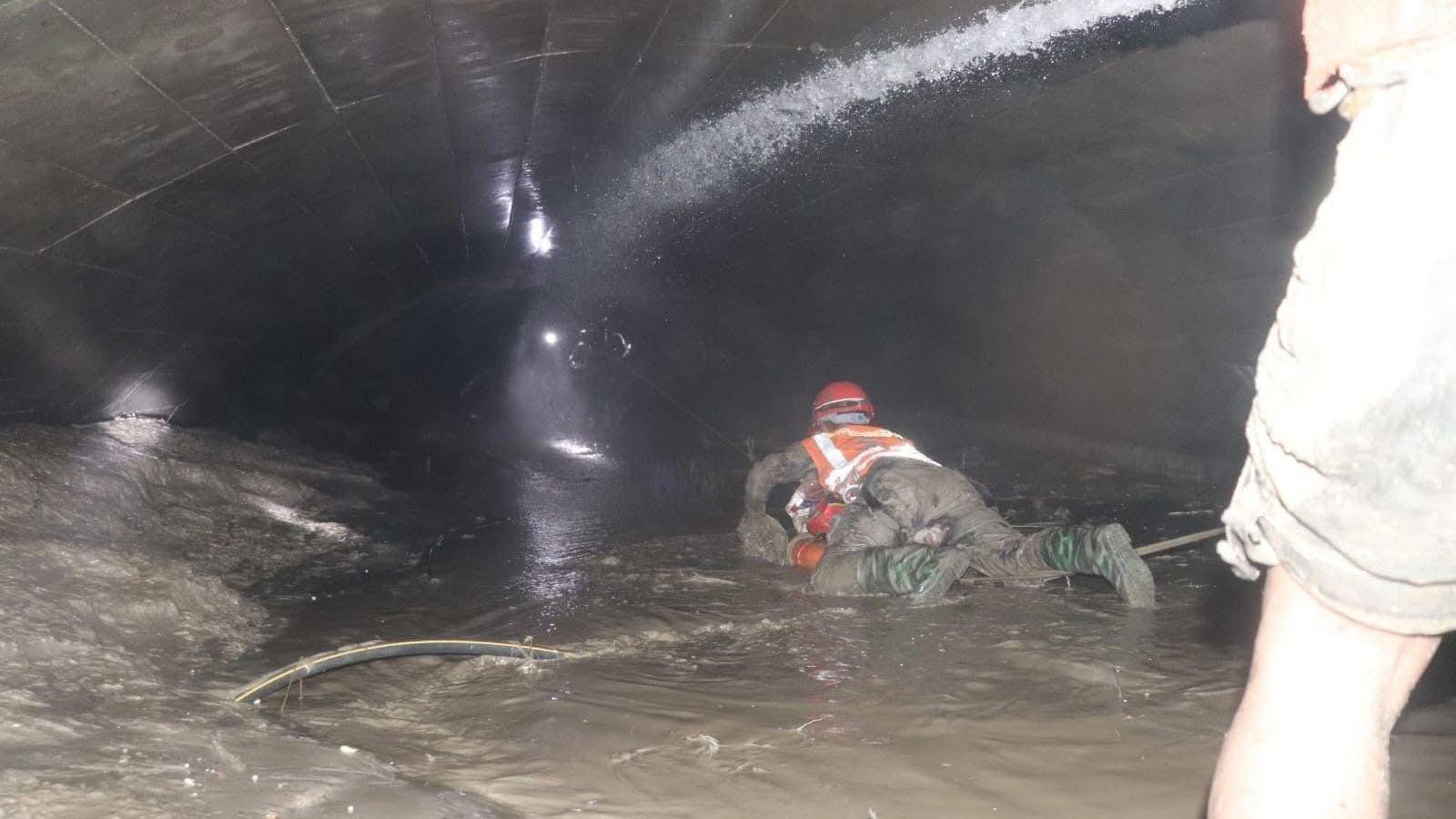
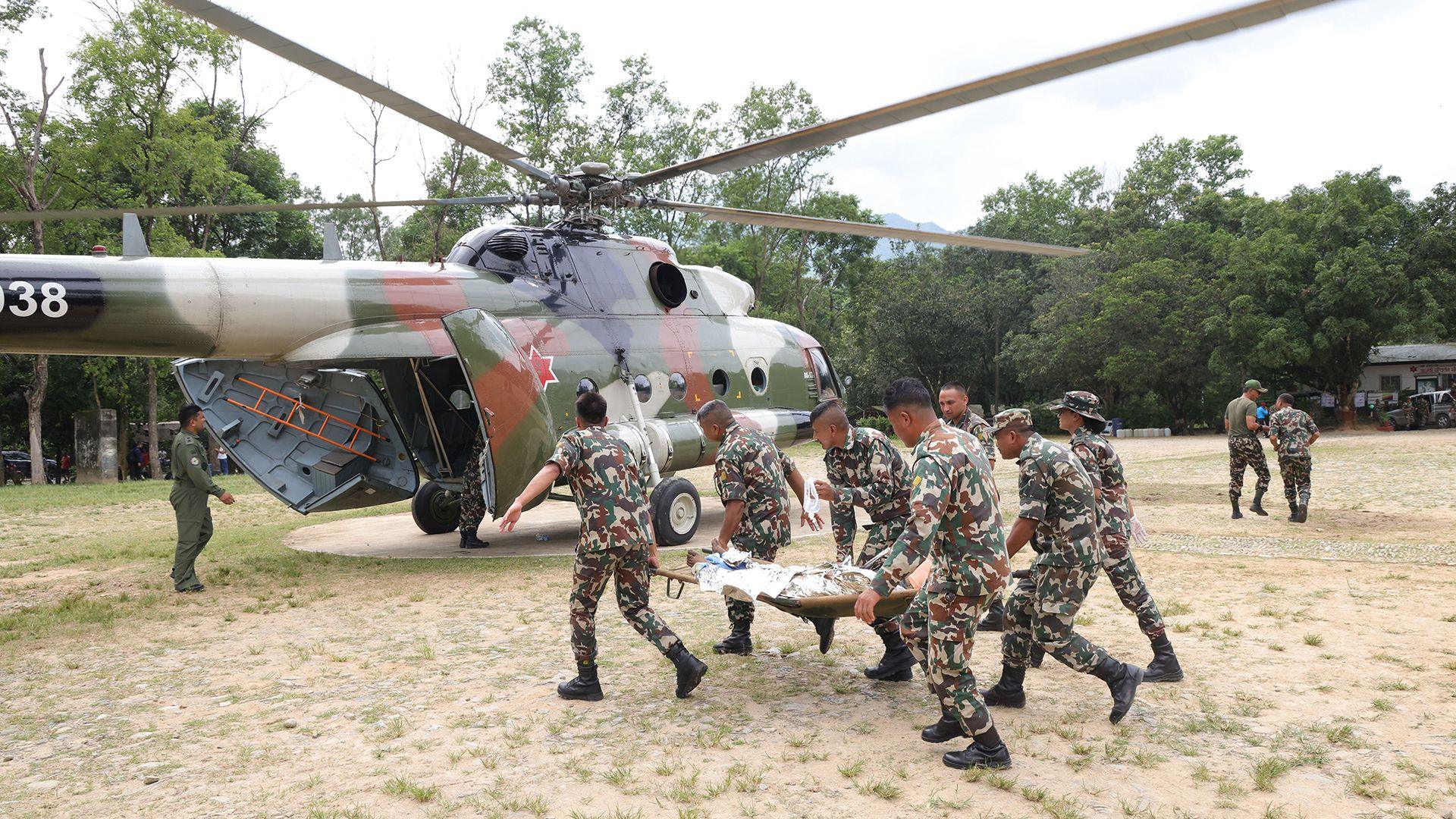
Army spokesman Raja Ram Basnet told AFP that the rescue tempo would remain unchanged and highlighted the priority of ground, air and tunnel‑based search operations. The hydropower tunnels, which harbour hundreds of missing workers, remain a key focus.
Australian expert Arnold Dix advised Nepali teams on X that multiple rescue scenarios will run concurrently, with each presenting unique hazards. Since the flood, four people have been rescued from hydropower tunnels, including a 64‑year‑old woman pulled from her buried house ten days after the collapse.
Chinese authorities recovered 12 bodies at the Nepal‑Tibet border using heavy machinery and ground‑penetrating radar. On the Chinese side the death toll reached 31, with 531 people still unaccounted for.
As the nation mourns, relief operations continue under heavy rainfall, with 5,083 people in Nepal still missing.