Netanyahu Declines Trump‑Backed Gaza Disarmament Plan Ahead of Key Election
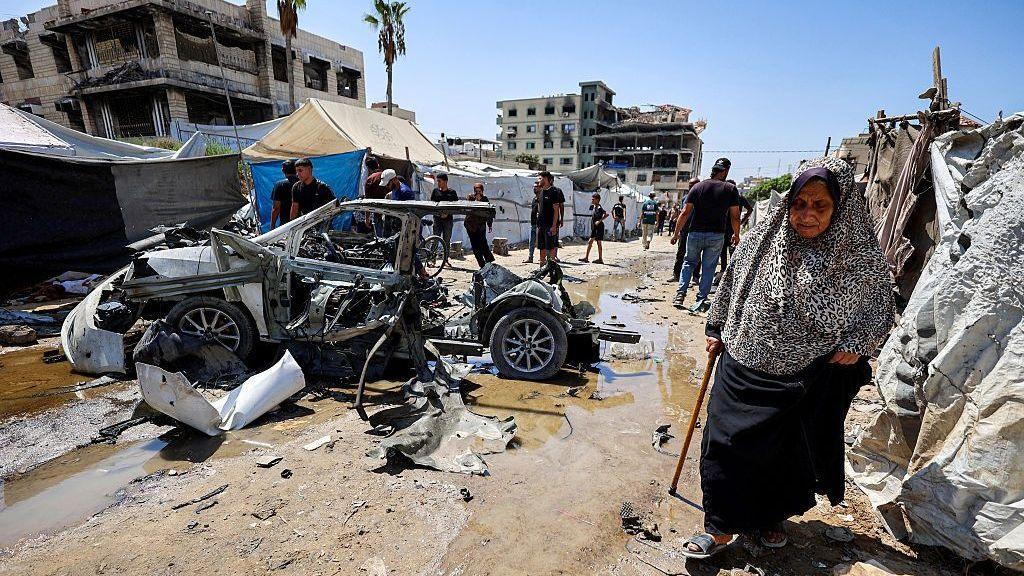
Benjamin Netanyahu, Israel’s longest‑serving prime minister, has openly rejected Donald Trump’s 15‑point roadmap designed to disarm Hamas and reduce conflict in Gaza. The decision arrives just weeks before Israel’s national elections, which could hinge on how the population perceives his stance on the war.
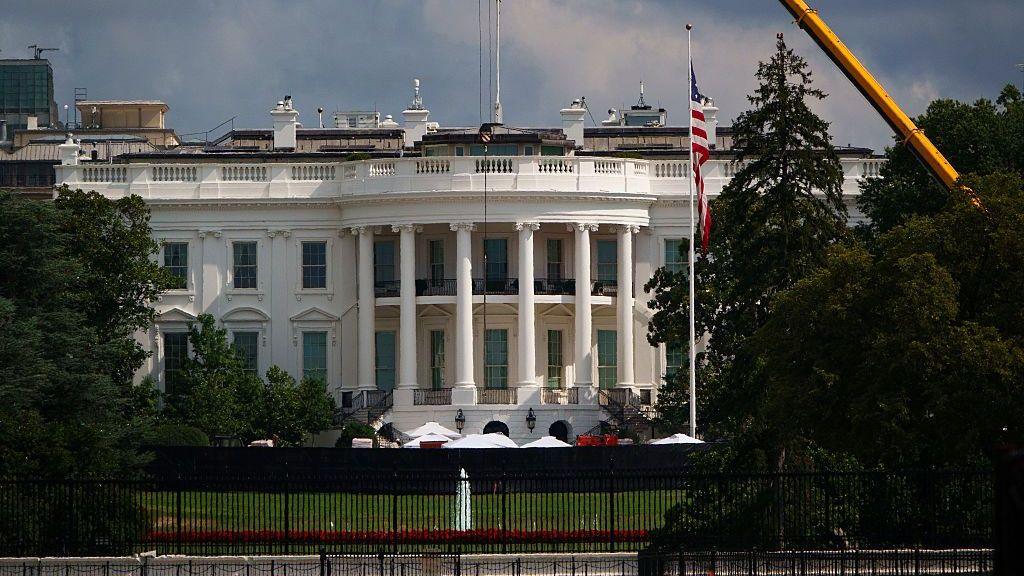
The White House has not issued a formal response, but sources say officials see the rejection as campaign rhetoric. A senior U.S. official is quoted as saying “We understand Bibi’s political needs and have no problem with it as long as he continues to do what we ask, especially regarding restraining attacks in Gaza.”
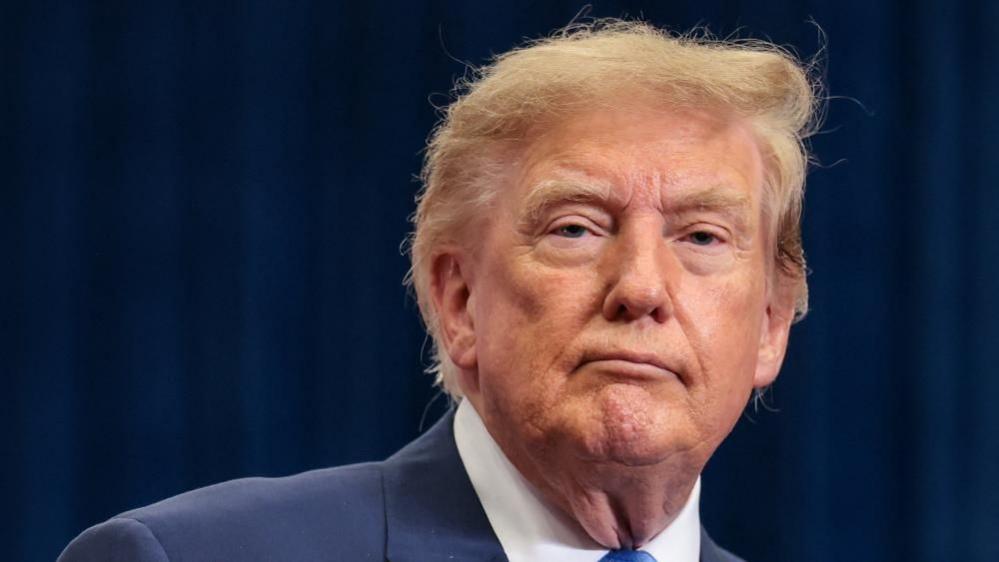
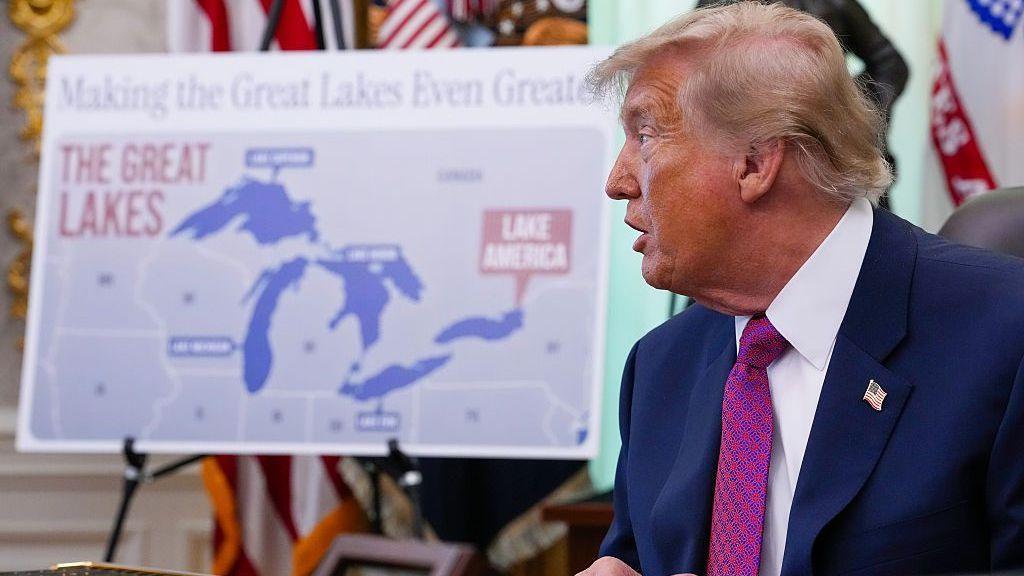
The 15‑point plan, unveiled by Trump in early July, requires Hamas to dismantle its weapons and acknowledge a new Palestinian administration in Gaza under a Board of Peace. In return, Israel would withdraw from areas it currently controls. This framework has been welcomed by the UK and the European Union as a crucial step.
Despite the proposal, Israeli hardliners have voiced concerns about the sequencing of disarmament and the viability of full weapon removal, while Hamas has claimed it remains committed to the roadmap but demands Israel abide by the terms it set.
The current pause in Israeli strikes on Gaza, a demand from Hamas, coincides with discussions on deploying the International Stabilization Force—an international troop contingent that would work alongside a new Palestinian police force to secure the territory.
The stakes are high for Netanyahu, who faces a challenging election scheduled for 27 October. Analytically, experts view this election as the most consequential of his career, especially as he balances domestic expectations against U.S. policy goals.
While the White House offers Netanyahu a political pass for now, the potential for future concessions remains dependent on the resilience of a new Israeli government and the evolving dynamics of U.S. politics, including the approval ratings of the former U.S. president and upcoming congressional midterms.
The ongoing tension underscores the complexity of securing a lasting peace in Gaza amid deep mistrust and divergent strategic priorities on both sides.