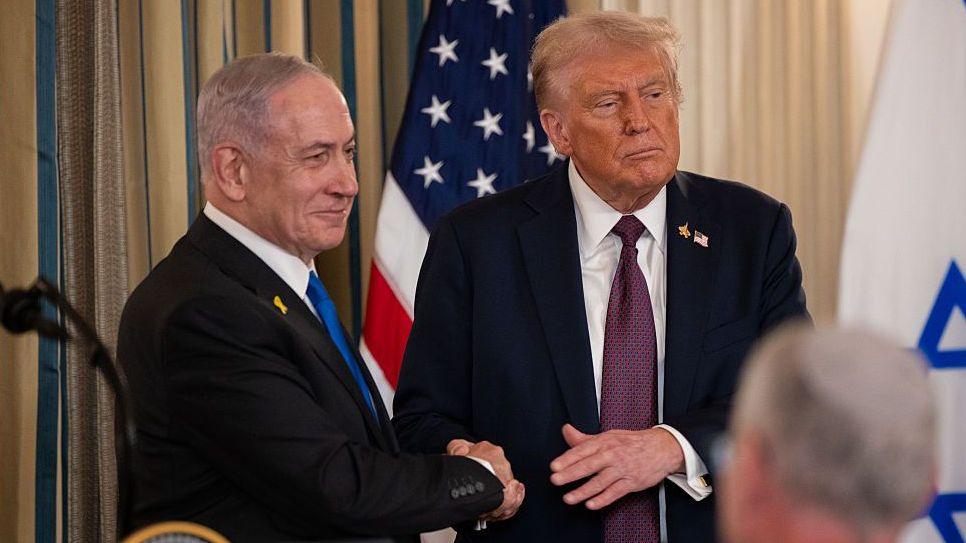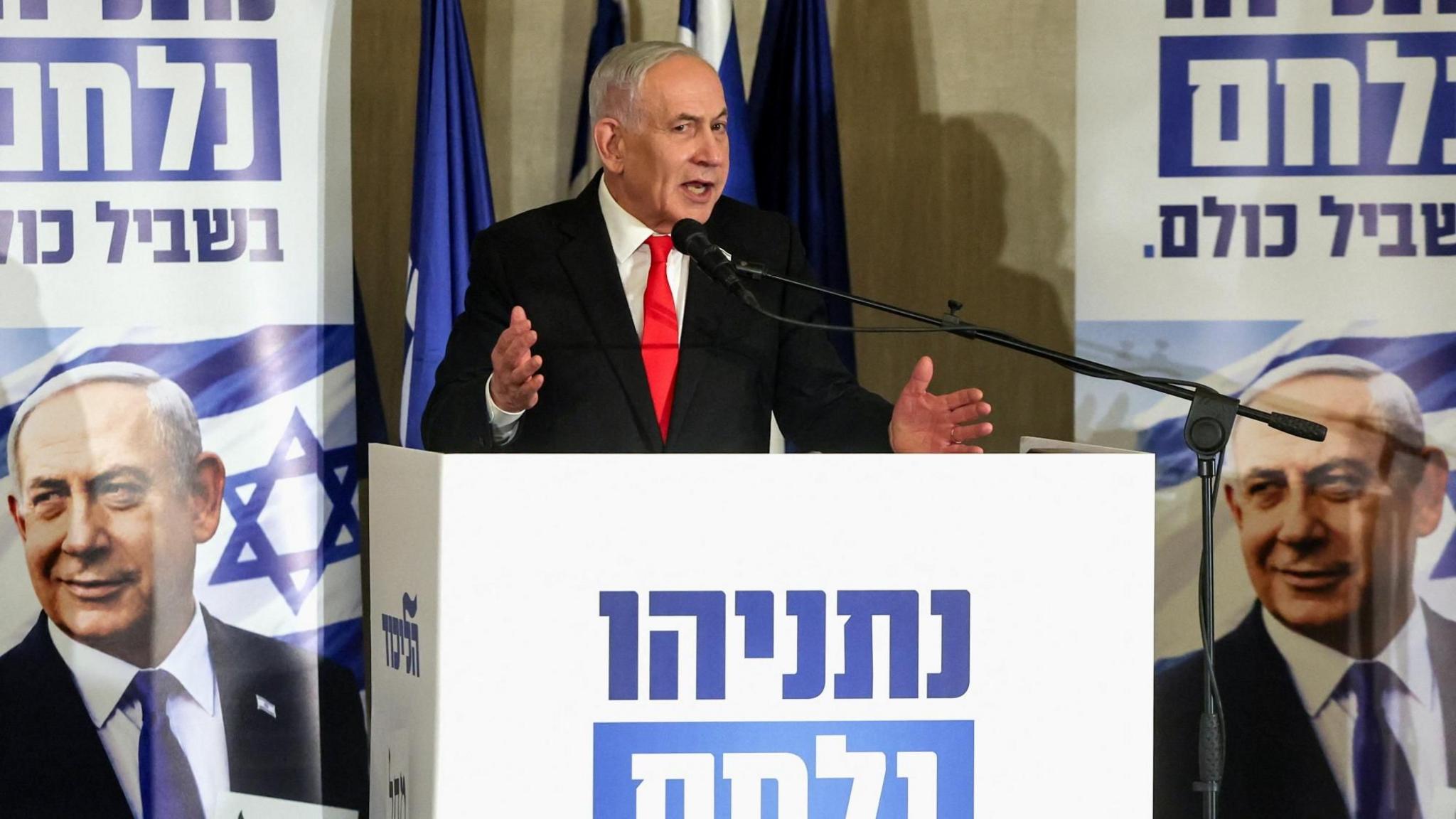
Israeli Prime Minister Benjamin Netanyahu has instructed his lawyers to initiate a defamation suit against the Israeli daily Ha Retz following a report that the United Arab Emirates’ president warned him in September that Hamas was preparing a major operation days before the 7 October 2023 attacks.
The claim emerged from book extracts published by Ha Retz, which describe a phone conversation between President Sheikh Mohammed bin Zayed Al Nahyan and Netanyahu in September 2023. According to the article, bin Zayed warned Netanyahu that Hamas’ then‑chief in Gaza, Yahya Sinwar, had signalled intent for a “major operation that could resemble an earthquake.”
Netanyahu’s office has counter‑ed, stating that no such warning was received and branding the report a “sinister plot.” In a statement, it insisted that the “only purpose” of the claim was to silence journalistic criticism.
Ha Retz, that has historically been a vocal critic of Netanyahu, stands by its reporting. It has rejected the prime minister’s defamation claim, arguing that the newspaper’s purpose is to uphold accountability and public debate. The publication posted a letter to the court, refusing to be deterred by what it described as the offensive political agenda.
The lawsuit arrives as Israel’s general elections approach, with the public and political analysts viewing the polling results as a referendum on Netanyahu’s leadership. Opposition parties have already demanded an investigation into the series of events that culminated in the 7 October attacks.
The 7 October 2023 attacks began when Hamas militants breached the Gaza border fence, attacking Israeli communities, military bases and a music festival, killing about 1,200 civilians and taking 251 hostages back to Gaza. Israel’s subsequent military campaign in Gaza has resulted in at least 73,670 Palestinian deaths, according to the Hamas‑run health ministry—figures that the UN considers reliable.
Netanyahu has resisted an independent public inquiry into the initial response to the attacks, further fueling skepticism among critics. The Ha Retz story also reports that Netanyahu did not brief senior Israeli security agencies—Shin Bet, Mossad, and the Irish Army—about the purported conversation with bin Zayed. The UAE, meanwhile, issued a statement emphasizing that, since the Hamas attacks, it has worked toward de‑escalation and regional stability, without specifically addressing the alleged phone call.
A joint statement from four of Israel’s main opposition leaders—Gadi Eisenkot, Naftali Bennett, Avigdor Lieberman and Yair Golan—demanded an investigation into Netanyahu’s alleged mishandling of the events, claiming the 7 October administration was unfit to remain in office.
The lawsuit may have far‑reaching implications for Israeli media freedom and political accountability, as it brings to the fore questions about the role of the press, the boundaries of political influence, and the timing of accusations during election season. The legal proceedings will likely be closely watched by parties across the political spectrum, as well as by international observers monitoring press freedom and political dynamics in Israel.