In brief
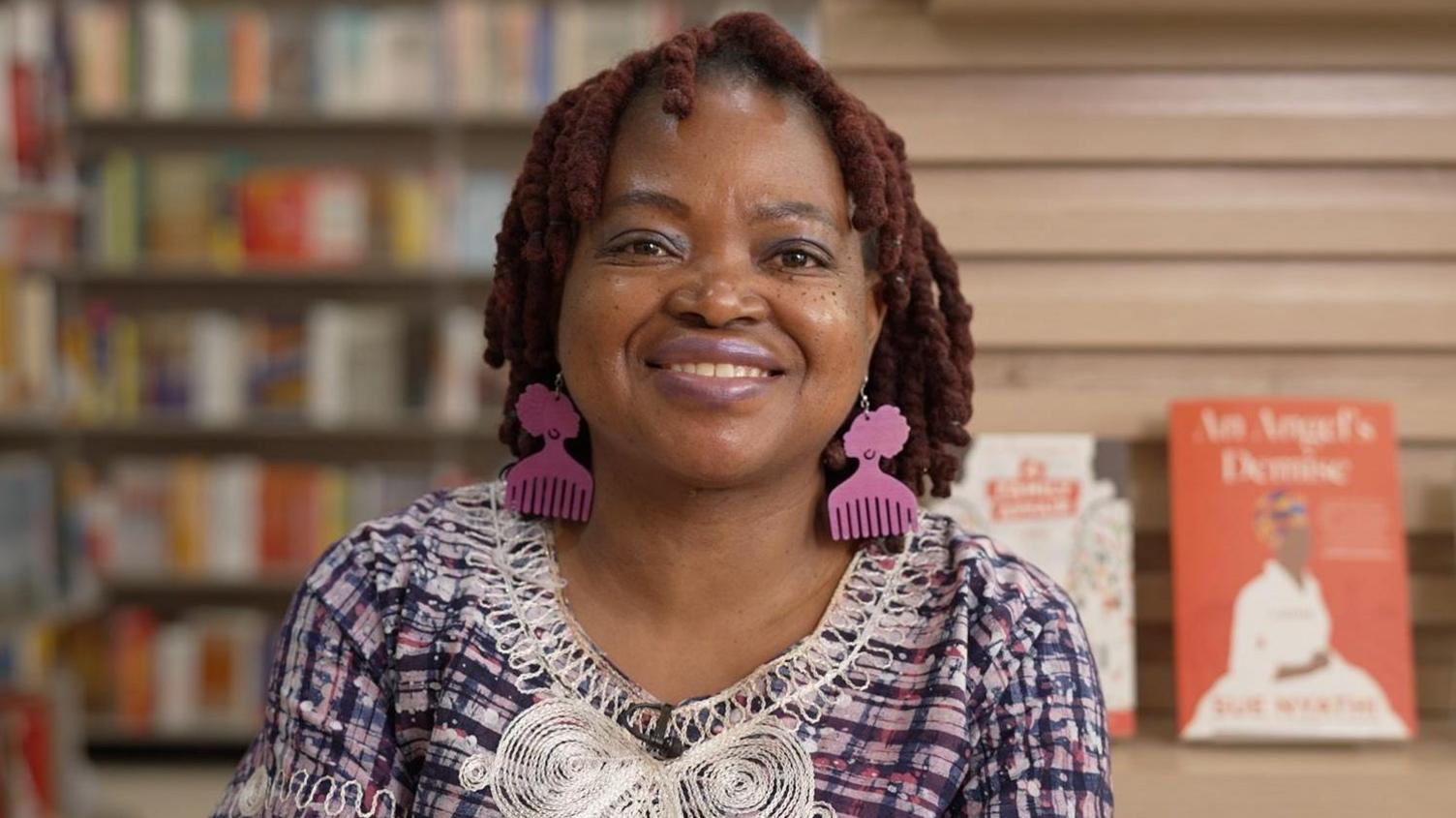
Sue Nyathi self‑published her debut novel The Polygamist in 2012 after publishers dismissed it. The book’s realistic depiction of polygamous families reached global audiences when adapted for Netflix. While the series highlights women’s voices, critics argue it blurs lines between traditional polygamy and marital abuse. Nyathi says her work exposes modern hidden polygamy and promotes awareness of women’s agency across Africa.
When Sue Nyathi first mailed her manuscript, editors were skeptical. They believed a thinly‑rendered story about a Zimbabwean man and the women he courts had no commercial appeal. Undeterred, Nyathi printed 500 copies herself in 2012, hand‑pressing, typesetting and designing the book she could not rely on a publisher for.
The novel sold out swiftly, gaining a cult readership that questioned its portrayal of polygamy. Netflix then adapted the book into a series that has topped view‑counts in more than 60 countries, including a position as high as number two in the United States.
Nyathi stresses that her work is not a romanticised take on polygamy but a critique of the modern secret‑polygamous dynamics where men retain multiple unpaid partners. The novel’s heroine, Joyce, discovers she is only one of four wives of the same husband, a revelation that underlines the lack of autonomy for women trapped in these relationships.
The series, filmed in South Africa and shot in Zulu, diverges slightly from the book: fewer wives, different family structures, and some contextual changes. Yet the central theme of unequal power remains unaffected: the wealthy male protagonist sets decisions, while the women’s finances and health—such as HIV exposure—are largely dictated by him.
Audience responses echo Nyathi’s intent. Some readers, especially women from African diaspora, feel the story validates their lived experience and challenges stereotypes that portray Africans as impoverished. Conversely, Kenyan civil servant Geoffrey Mosiria has called for a ban on the series, contending it conflates polygamy with marital fraud and abuse.
Despite the controversy, the Netflix exposure has propelled Nyathi to wider acclaim, amplifying a discourse that extends beyond Zimbabwe into broader African literary markets. As she looked back on the 2012 launch, Nyathi acknowledges the protagonist of her journey: a nine‑year struggle that resulted in an overnight success.
The story of the novel and its television adaptation illustrates how personal narratives can transform into global platforms for social critique, offering insight into cultural practices and the evolving roles of women in patriarchal societies.