In brief
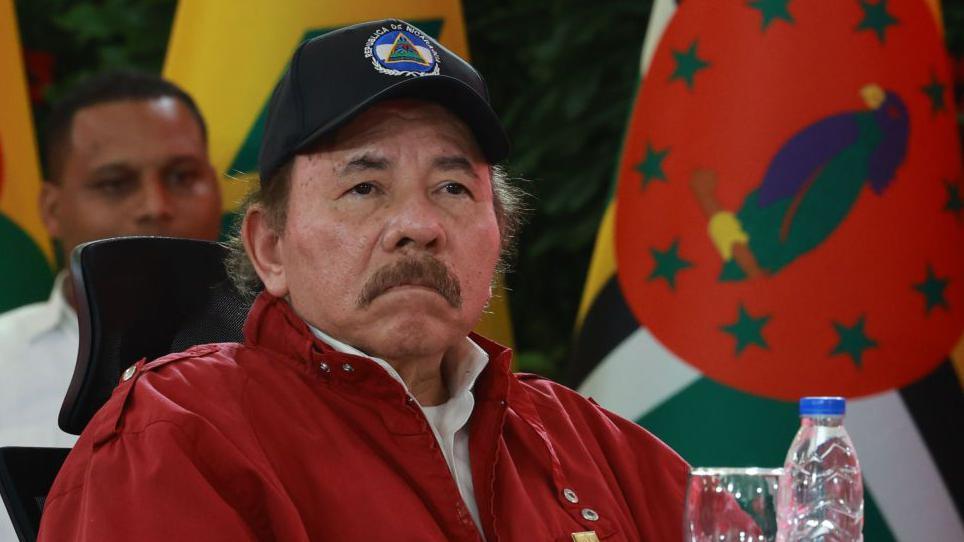
Nicaraguan President Daniel Ortega, who has ruled since 2007, has put forward a proposal to lengthen the presidential term to six years and add a year of extension. The National Assembly is expected to approve the changes in September, along with a clause that would bar alleged traitors and coup plotters from running for office. Ortega’s government has already scrapped term limits in 2014 and extended the term from five to six years in 2024, while also naming his wife co‑president. Critics warn that these moves consolidate his authoritarian grip, following years of detaining opposition leaders, eroding the rule of law and even stripping citizenship from dissidents in exile.
By Vanessa Buschschlüter, Latin America online editor
Nicaraguan President Daniel Ortega, who has governed since 2007, has proposed extending the presidential term by an additional year. The change would see the term extended from five to six years and then add one more year, giving the 80‑year‑old a potential decade in office.
The government‑controlled National Assembly is expected to give the proposal its stamp in September. The backdrop is a broader constitutional reform package that also seeks to bar members of the opposition who the government declares as "traitors" or "coup plotters" from contesting elections.
Ortega’s reign has increasingly drawn criticism for its authoritarian tactics. Opposition figures have been jailed, driven into exile and stripped of their citizenship. The United Nations has warned that repression has deepened, the rule of law has been eroded, and persecution of political dissidents has intensified.
In his 19‑year rule so far, Ortega has already altered the country’s election rules. When he first came to power, the 2014 National Assembly abolished presidential term limits. In 2024, it extended the term from five to six years. The same body also approved Ortega’s plan to appoint his wife, Rosario Murillo, as co‑president, paving the way for her to assume power if he is declared permanently absent.
Presidential elections last took place in November 2021. The contest ended in a one‑sided victory for Ortega after a brutal crackdown on opposition. Potential rivals were detained, disqualified, or forced into exile, while dozens of opposition members were arrested. Only a handful of low‑profile candidates managed to stand in the resulting elections.
Since the 2018 protests, where security forces killed over 300 people, very few Nicaraguans have publicly opposed Ortega and Murillo. Dissidents living abroad have been targeted, often stripped of citizenship and having homeland assets seized and sold by the government.