In brief
A study reveals that non-native species such as snakes and frogs are being inadvertently transported with ornamental plants, highlighting the need for improved import standards to prevent ecological harm.
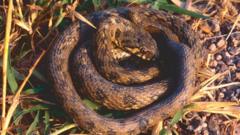
As the ornamental plant industry flourishes worldwide, scientists are ringing alarm bells over an alarming trend: invasive species hitching a ride on cut flowers and potted plants. Recent findings indicate that a variety of reptiles, amphibians, and insect pests are making their way across borders, potentially threatening local ecosystems and agriculture.A notable incident was reported in Sheffield, where a tree frog surprised florists after emerging from a bouquet of roses imported from Colombia through Ecuador. In similar cases, snakes have been found in shipments of ornamental olive trees across mainland Europe, causing researchers to raise concerns about the safety of current practices.Prof. William Sutherland from the University of Cambridge emphasized the gravity of the situation, noting that while adult reptiles make headlines, countless smaller pests and fungi could be slipping through unnoticed, posing serious risks to biodiversity and agriculture. The increased demand for ornamental plants is leading to greater geographic expansion of production—primarily concentrated in regions like East Africa and South America—pressing governments to step up import regulations.Dr. Silviu Petrovan of the University of Cambridge pointed out the challenges faced by customs officials in intercepting invasive species due to the rapid volumes of trade. He explained that despite regulations, the relentless pace of imports makes it nearly impossible to catch every unwanted stowaway.Research published in the journal Bioscience analyzed pest records from customs checks in the Netherlands between 2017 and 2018 and UK reports over 2021 to 2023. The findings revealed a concerning trend: notable stowaways included various lizards, frogs, and a plethora of insect pests within shipments. The study underscores the urgent need for improved production standards and the sharing of data regarding specific risks associated with trade.The researchers advocate for heightened awareness and stricter regulations within the global plant trade to safeguard local ecosystems, as invasive species can significantly disrupt native wildlife and agricultural productivity. As the world continues to enjoy the aesthetic and economic benefits of ornamental plants, the hidden threats carried within these imports cannot be ignored.