In brief
In an unprecedented move, Puerto Rico has split households into two groups, each receiving water for only 48 hours on a rotating schedule. Officials say the depletion of the Carraízo reservoir, coupled with long‑standing infrastructure deterioration, has forced the decision. Governor Jenniffer González stresses that the crisis is beyond government control and caused by weather conditions. Residents are scrambling to fill containers, while the federal emergency agency is expected to assist.
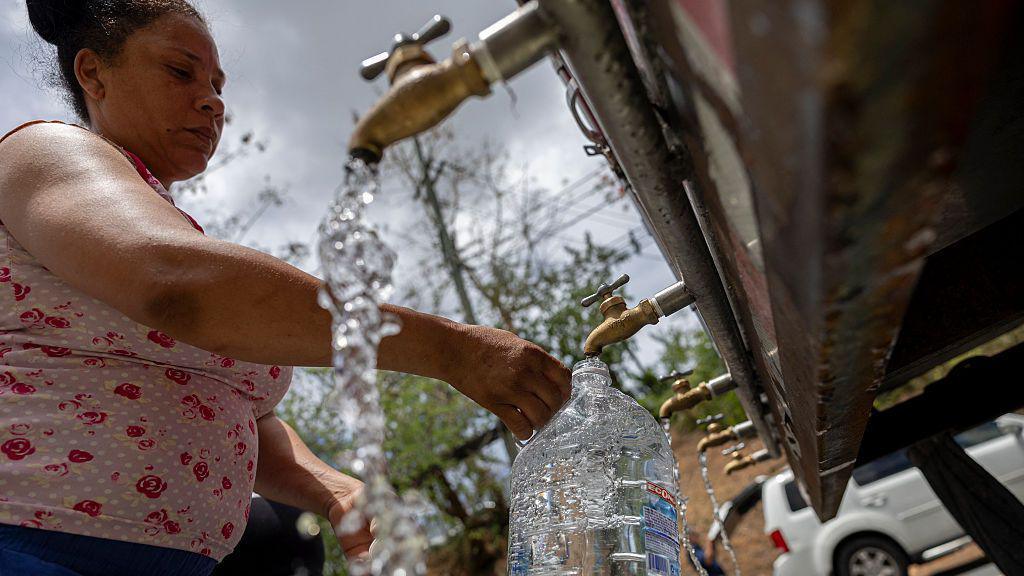
Hundreds of thousands of residents on the Caribbean island have been hit without running water for two days at a time as the government imposes a strict 48‑hour rationing schedule. The measure, introduced last week, forces every household to have water only every other 48‑hour period.
Almost 180,000 properties across the island now face this split schedule. The City of San Juan, where the first tap shut‑offs began on Friday, has reported resident frustration as they wait for their turn.
The Governor says the program was chosen after a thorough review of the Carraízo reservoir’s dwindling levels and weather forecasts. “This situation is beyond our control,” she told reporters, noting that the weather has led to a record‑dry July and left the critical reservoir nearly empty.
Puerto Rico’s water authority reports that over 65% of generated water is lost each year through leaks and old pipelines. Combined with the recent lack of rainfall, these inefficiencies have reduced the island’s available supply dramatically.
Earlier in the 2010s, the administrative body attempted similar rationing during severe droughts, cutting water every third day for around 400,000 households in 2015 and 2020. The current crisis reflects long‑term challenges, worsened by sediment build‑up in reservoirs and the aging infrastructure.
Resource shortages extend beyond water: the governor also reports that over 1,000 wildfires are burning presently, and satellite observations suggest a rain system may arrive once the Saharan dust cloud clears.
The federal emergency agency Fema has been contacted for assistance. The national government’s support, combined with local measures, is expected to shape the duration of the rationing cycle.