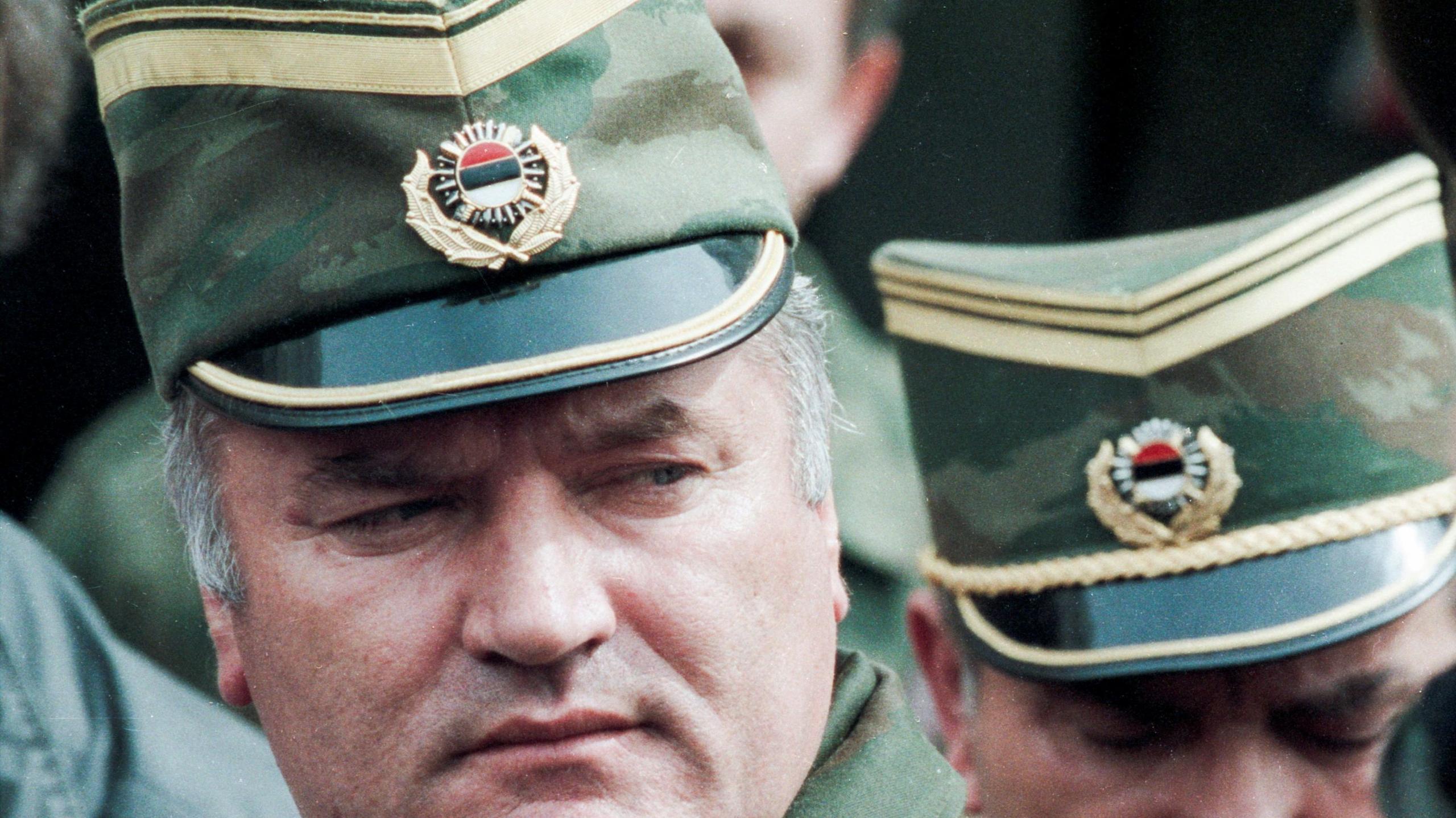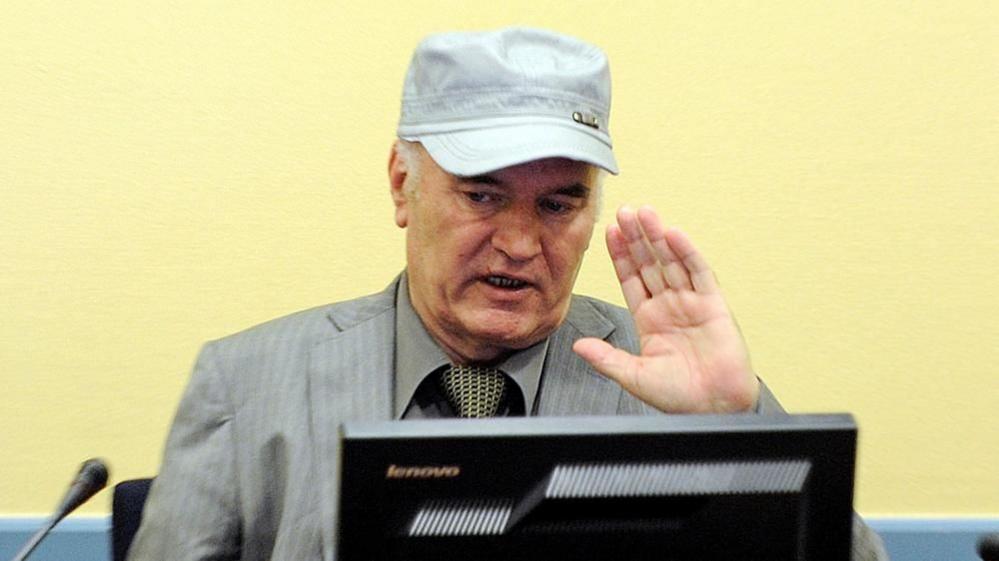
Ratko Mladić, the former Bosnian Serb commander often referred to as the “Butcher of Bosnia,” has died at the age of 84 in a United Nations prison in The Hague.
The death was confirmed by a UN official following a palliative care regimen in the prison hospital. Mladić’s life sentence, imposed in 2017 for genocide, war crimes and crimes against humanity during the 1992–1995 Bosnian conflict, has been upheld through subsequent appeals.
After fleeing the war zone, he evaded capture for 16 years before being located in rural Serbia in 2011 and subsequently tried at The Hague. His conviction drew continued international attention to the mechanisms of the International Criminal Tribunal for the former Yugoslavia and the broader pursuit of justice for victims.
In May, a UN court denied a request for his release, citing that although his condition was dire, he was receiving “comprehensive and compassionate” treatment within the prison system. The decision underscored the complex balance between humane incarceration of convicted war criminals and the maintenance of an international legal order.
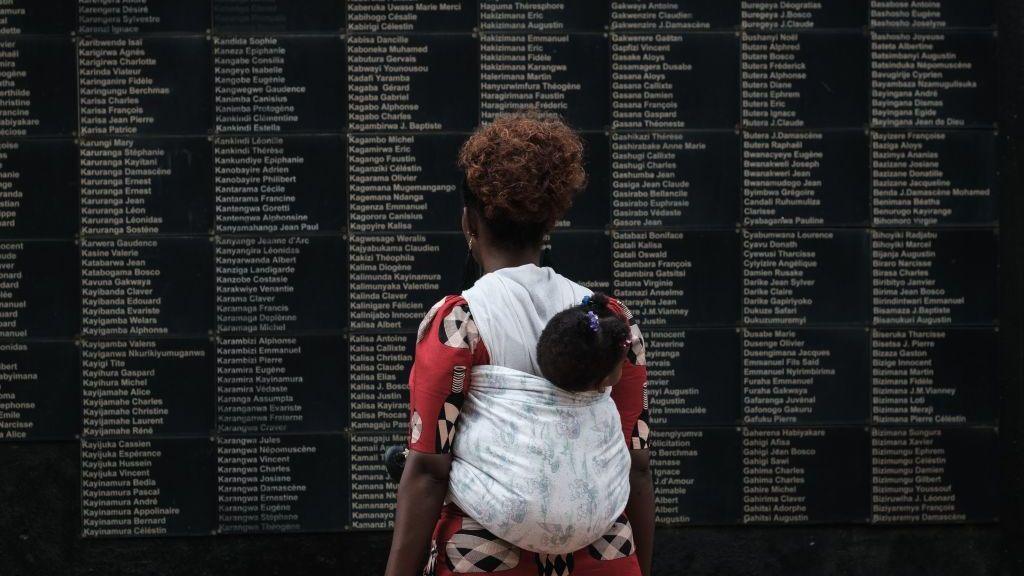
The case continues to resonate across multiple communities: for Bosnian victims who seek closure, for legal scholars studying transitional justice, and for the international body tasked with safeguarding human rights. Its finality provides a critical moment to reflect on the long-term impact of war crimes and the responsibilities of global governance in prosecuting such atrocities.