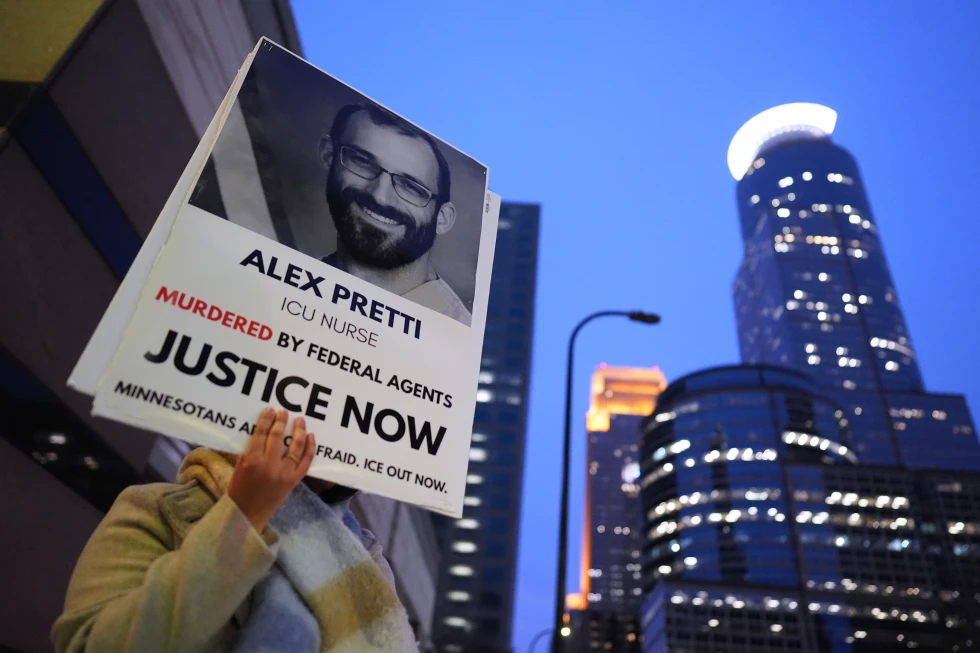
The recent shooting of Alex Pretti by federal officers in Minneapolis has spurred significant debate among Republicans and gun rights advocates, reflecting broader tensions within U.S. gun politics.
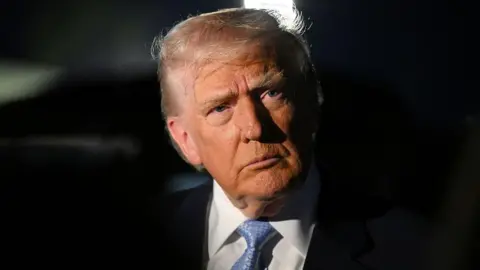
Initially, the White House's characterization of Pretti's death suggested he bore responsibility due to his lawful possession of a weapon. This stance triggered backlash within Trump's coalition, prompting calls for a more thorough investigation into the incident.
In the midst of these responses, President Trump’s administration continues to stabilize its position on Second Amendment rights, with White House Press Secretary Karoline Leavitt reaffirming the president's support for law-abiding citizens' rights to bear arms. Yet, she cautioned that confronting law enforcement while armed poses significant risks.
Following the shooting, initial statements from officials implied that Pretti was aggressive and posed a threat. However, emerging video evidence contradicted these claims, showing him aiding another individual during the chaotic incident just before being apprehended.
Advocates for gun rights expressed their discontent with the administration's narrative. The National Rifle Association condemned comments from a federal prosecutor suggesting that carrying a firearm in a confrontational scenario could justify lethal force by law enforcement.
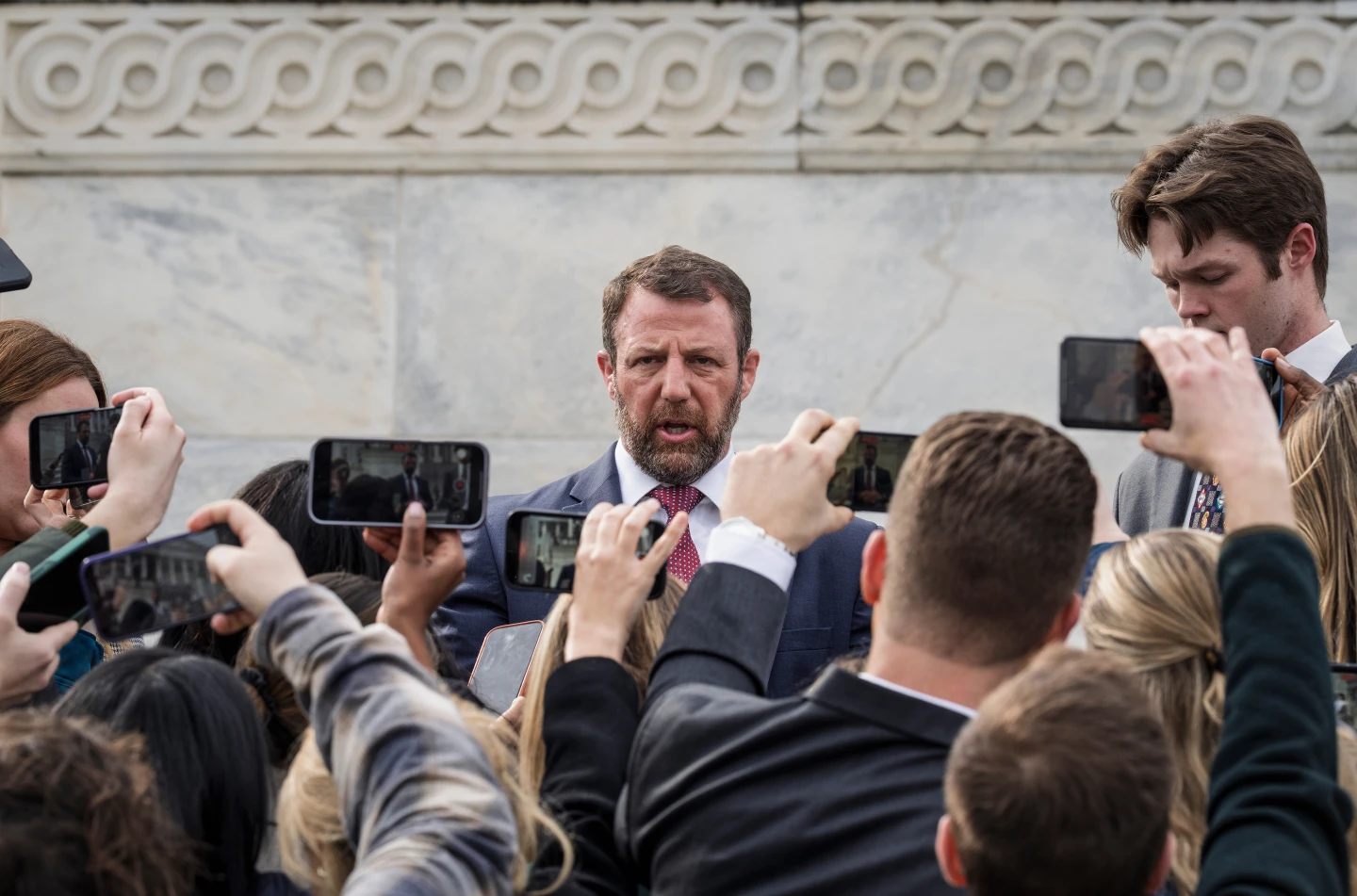
Divergent reactions emerged across the political spectrum, with conservative officials linking First and Second Amendment rights and emphasizing lawful protest behavior. Meanwhile, historical comparisons surfaced, particularly concerning how the administration previously handled protests involving armed individuals, such as the January 6 Capitol riots.
This moment of reckoning appears critical as Republicans gear up for midterm elections. Internal party dynamics could complicate their messaging around gun rights while striving to maintain support within their base. Observers underscore how this incident showcases the shifting terrain of gun-related discourse and its potential electoral consequences.