Recurrent Nigeria Boat Disasters: Why the Tragedies Keep Happenin
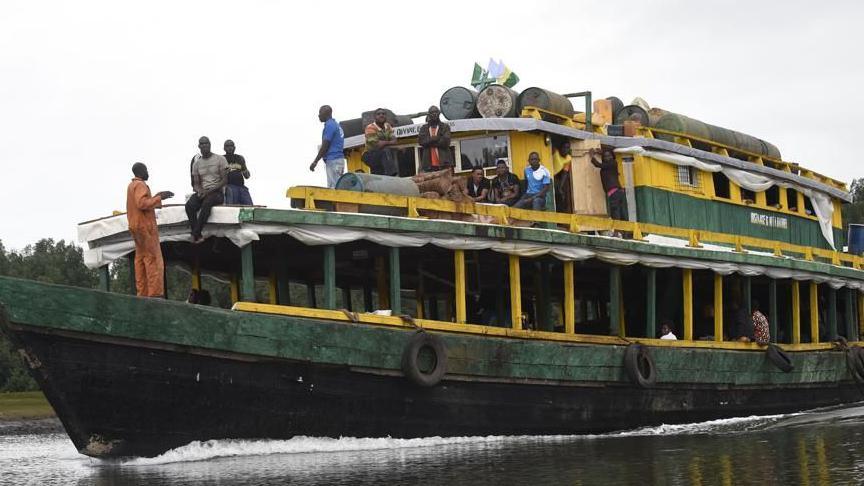
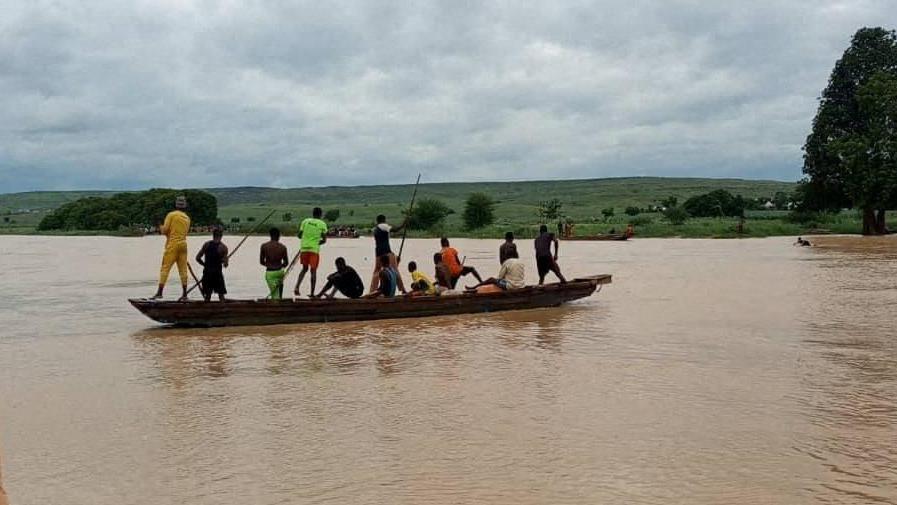
For years, a pattern of boat accidents has haunted Nigeria, especially in rural regions where rivers are the main arteries of commerce and commuting. Between January 2023 and October 2025, more than 55 people lost their lives on water, with hundreds of bodies still unaccounted for. The tragedy in Jigawa state this week, in which 23 survivors were rescued but seven bodies recovered, is a grim reminder of the ongoing crisis.
Three main culprits emerge: overcrowding, unsafe wooden vessels and a consistent failure to enforce life‑jacket use. Nigerian authorities repeatedly promise that life jackets will be supplied and that strict regulations will be enforced, yet most boats only carry a few jackets for a seat of over 100 passengers. In many cases, operators find that the available jackets are too small, poorly made or that passengers are reluctant to wear them, citing cultural familiarity for risk.”
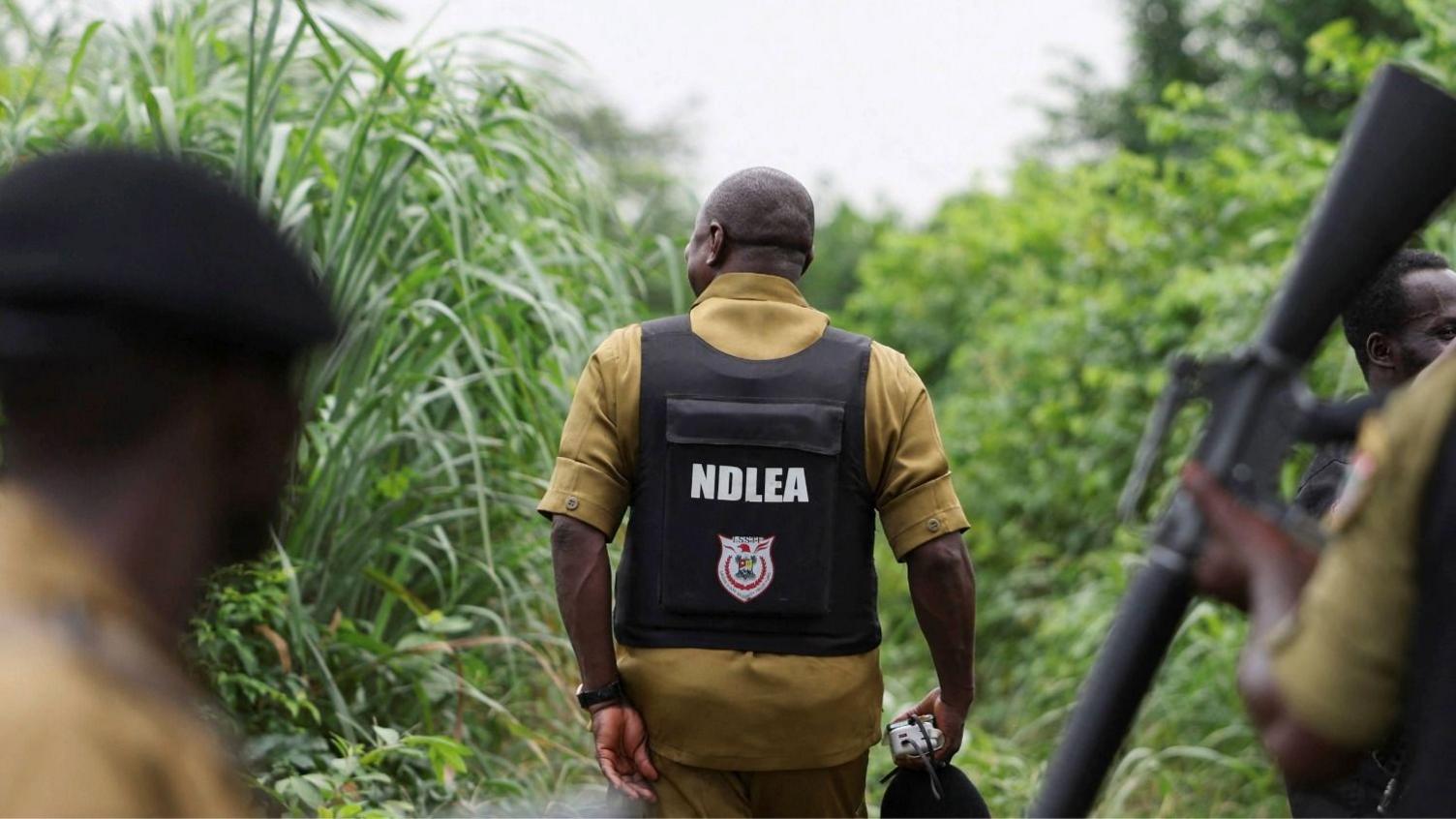
The Water Transport Code of 2023 laid out detailed rules—determine capacity limits, mandate life‑jackets for passengers who cannot reach shore easily, require licensed operators and mandate a formal pick‑up point. However, the law is rarely enforced. The National Inland Waterways Authority (Niwa) has appointed “water marshals” to monitor terminals, but the number of marshals falls short of covering all key jetties. Many rivers still lack kilometre‑long dredging schedules, leaving hidden tree stumps that can screw up vessels on low tide and cause capsizes when they emerge above water.
A more promising case came from Lagos, Nigeria’s largest city. Historically one of the most accident‑prone water transport hubs, Lagos State’s Water Authority (Laswa) reported only one fatality in 2024 and six in 2025, and none so far this year. The intensive strategy—new standard boats, mass supplying of life‑jackets, systematic dredging and trained water guards at every jetty—has substantially reduced serious incidents. Lagos’ experience indicates that concrete investment and enforcement can be game‑changing, though replicating such a model nationwide will take time and resources.
Cultural factors also influence safety behaviour. While men in riverine communities tend to know how to swim, women—frequently the ones delivering goods or attending weddings—do not. When a boat capsizes, the lack of knowledge and often the absence of a life‑jacket disproportionately endangers women and children. Public health campaigns and education on the use of life‑jackets are therefore essential components, alongside the material provision of them.
The Nigerian Ministry of Marine and Blue Economy acknowledges that wooden boats are outdated, and has threatened to shift to fibre or aluminium alternatives. Still, real progress hinges on securing enough jackets and basic infrastructure before phasing out boats. The commitment to a safer water system is clear, but the steps—production, distribution, training and enforcement—are not yet fully realised.