In brief
Claudette Colvin, who refused to give up her bus seat in Montgomery, Alabama, at just 15 years old, has died at 86. Her courageous stand against segregation occurred nine months before Rosa Parks’ similar protest. Colvin's legacy, largely unrecognized until recent years, highlights the early struggles for civil rights in America, and she is remembered for her brave actions that challenged systemic racism.
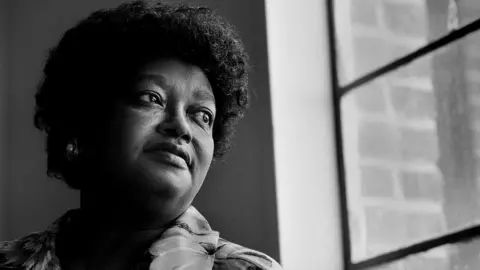
Claudette Colvin, who helped end racial segregation in the US by refusing to give up her bus seat to a white person, has died. She was 86 years old.
Colvin's protest, which led to her arrest, came in 1955 at the age of 15 while she was living in Montgomery, Alabama.
It happened nine months before the arrest of Rosa Parks, who also famously refused to give her bus seat to a white person, in a move that led to widespread boycotting of public transportation in the city, and a Supreme Court decision that outlawed such racial discrimination.
Colvin's arrest was largely unknown until 2009, when the first detailed book about her experience was published.
She leaves behind a legacy of courage that helped change the course of American history, said a statement from the Claudette Colvin Legacy Foundation, which announced her death.
One year after her arrest, the US Supreme Court ruled that segregation on buses must end. The legal case turned on the testimony of four plaintiffs, one of whom was Colvin.
In an interview with the BBC in 2018, Ms Colvin recalled that she was not frightened, but disappointed and angry because she knew she was sitting in the right seat.
She was the first person to be arrested for challenging Montgomery's bus segregation policies, but her story remained relatively unknown for decades. It was Rosa Parks who became one of the main figures of the civil rights movement after her very similar case led to the large-scale boycott of the bus system in the city.
Colvin said she had been inspired by the great anti-slavery campaigners Harriet Tubman and Sojourner Truth. Whenever people ask me: 'Why didn't you get up when the bus driver asked you?' I say it felt as though Harriet Tubman's hands were pushing me down on one shoulder and Sojourner Truth's hands were pushing me down on the other shoulder, she told the BBC.
Later in life, she became a nurse in New York. According to her organization, she died in Texas.