In brief
A devastating flood on 26 August cut across Nepal, claiming more than 1,200 lives and leaving thousands missing. Rescue crews have ventured into hydropower tunnels, finding two alive, a body, and estimating dozens still trapped. Casualty totals now reach 5,330 dead and 5,330 missing, with foreign nationals reported among the missing. Scientists link the disaster to glacial collapse, while engineers pump air into tunnels and workers dig through mud. Local spirits endure as families wait, and international aid streams in with hopes of further rescue.
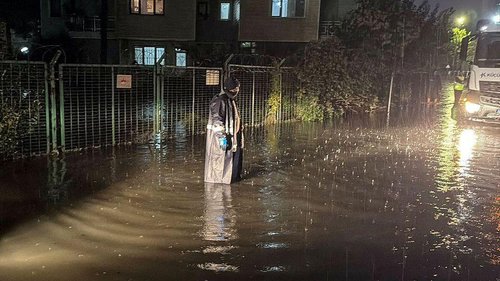
A catastrophic flash flood erupted on 26 August, carving through a Himalyan valley bordering Tibet and sweeping away villages with immense force.
Rescue teams now push into seven hydropower tunnels—sites built for the region’s energy supply—reporting that two workers were pulled alive from the dark shafts. Their names were Sanjaya Shah and Kabir Maharjan; both suffered injuries that required immediate medical transport to Kathmandu.
Official figures state 1,311 confirmed deaths and 5,330 people still missing in Nepal, while the Tibetan side lists 31 fatalities and 531 missing. These numbers change daily as workers dig farther into the obscured limestone.
The flood is believed to have been triggered by a sudden glacial collapse, a hypothesis backed by geology experts who argue that climate‑driven melting may have increased the glacier’s instability.
Engineers have started pumping air into the tunnels to provide breathable air for those still inside, and bulldozers work to flush out mud and debris that block entrances.
Foreign nationals from at least 34 countries are reported among the missing, raising international diplomatic pressure on Nepalese and Chinese authorities to coordinate search and relief efforts.
Families of potential victims are waiting in tense anticipation, while survivors share accounts of sudden mud and water engulfing their work sites, an image that intensifies the mission’s urgency.
As rescue teams dig deeper, hope cautiously grows that more survivors may be found, even as officials stress that conditions ahead remain perilous and uncertain.