Residents in Oleshky survive on garden weeds amid blockade and drone killings

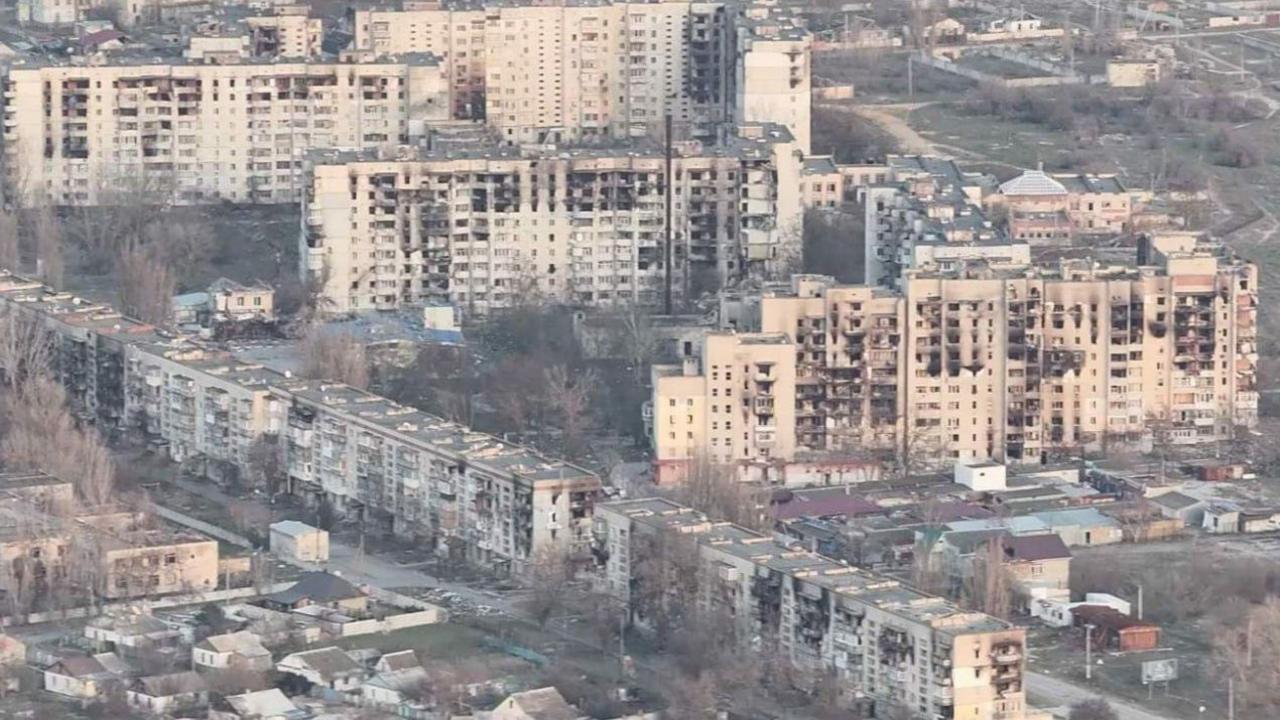
Oleshky, a city of about 24,000 residents before the conflict, lies on the east bank of the Dnipro River, directly bordered by Russian forces. Since 2022 it has been cut off from the rest of Ukraine, with all supply routes blocked by the occupiers. Local volunteers report that food, medical supplies, water and electricity have not been available since the catastrophic flooding that swept the area after the Nova Khakova dam collapsed in 2023.
In the absence of shops and formal markets, residents have turned to foraging and cooking garden weeds to stay alive. A local resident, who wishes to remain anonymous for security, says she feeds her family once a day, relying on plain bread, occasionally mixed with tomato or honey and a cup of tea. Some villagers have risked walking along mined roads to reach supply points, though the danger has discouraged many.
A tragic illustration of the siege is the death of a husband and wife who were carrying a bag of food from the neighboring town of Radensk to home. The couple was unable to cross before a curfew imposed by the occupiers and was later struck by a drone on 20 September. Four independent sources confirm this incident. A local volunteer, who has been cataloguing casualties for the past year, estimates that at least 1,200 people have died in Oleshky, though the official count may be lower and is difficult to verify because the supply of evidence is restricted.
According to the United Nations Human Rights Monitoring Mission, at least 29 civilians have been killed and 54 injured in Oleshky or nearby areas this year, with locals suspecting the real numbers are higher.
The destruction of the Nova Khakova dam in June 2023 caused widespread flooding, submerging houses and shifting the town’s infrastructure. The flood added to the strain on already reduced water and power supplies. Residents rely on makeshift power from kitchen stoves and candles, with no gas or electricity since the disaster.
Hospitals in Oleshky are severely limited. Only one hospital remains partially operational, opening a few days a week to perform essential surgeries such as amputations. There is no reliable access to education for children, and many suffer from malnutrition and lack of medical care.
Burial practices are heavily restricted by the occupation authorities. Anyone who has died from a drone strike, landmine, or other combat-related cause cannot be buried without a post‑mortem examination that is not feasible in the town. This has led to some bodies staying in streets since December. When the morgue lacks power, bodies are exposed to the elements or, in some cases, scavenged by stray dogs. Such measures have been described by aid workers as a psychological weapon against civilians.
The Ukrainian government and international bodies have called for the blockade to be lifted to allow humanitarian aid. Ukraine’s Foreign Minister Andriy Sybiha urged the United Nations General Assembly to pressure Russia into permitting relief supplies, citing a “critical situation” with insufficient food, medicine and water for residents.
Despite these hardships, residents and volunteers continue to search for ways to support one another. Information is shared via local Telegram groups about safe weeds to consume, how to boil them, and sometimes arranging donations. The ongoing conflict has placed people on the frontline city’s survival largely into the hands of each other, creating a fragile community coping under occupation pressure and lack of basic services.