In brief
Brussels has seen a troubling spike in drug‑related shootings, with a pizzeria, a police station and private homes marked as targets. The city’s police chief stresses that violence stems from lucrative drug markets and calls for preventive strategies over mere repression. Residents fear losing the quiet charm of their streets as gangs fight over lucrative supply points. In response, the interior ministry plans to station additional officers, but experts point out that long‑term solutions must address youth unemployment and community outreach.
Brussels has seen a troubling spike in violent incidents tied to drug trafficking, with shootings now occurring in everyday settings—pizzerias, residential streets, and even a police station.
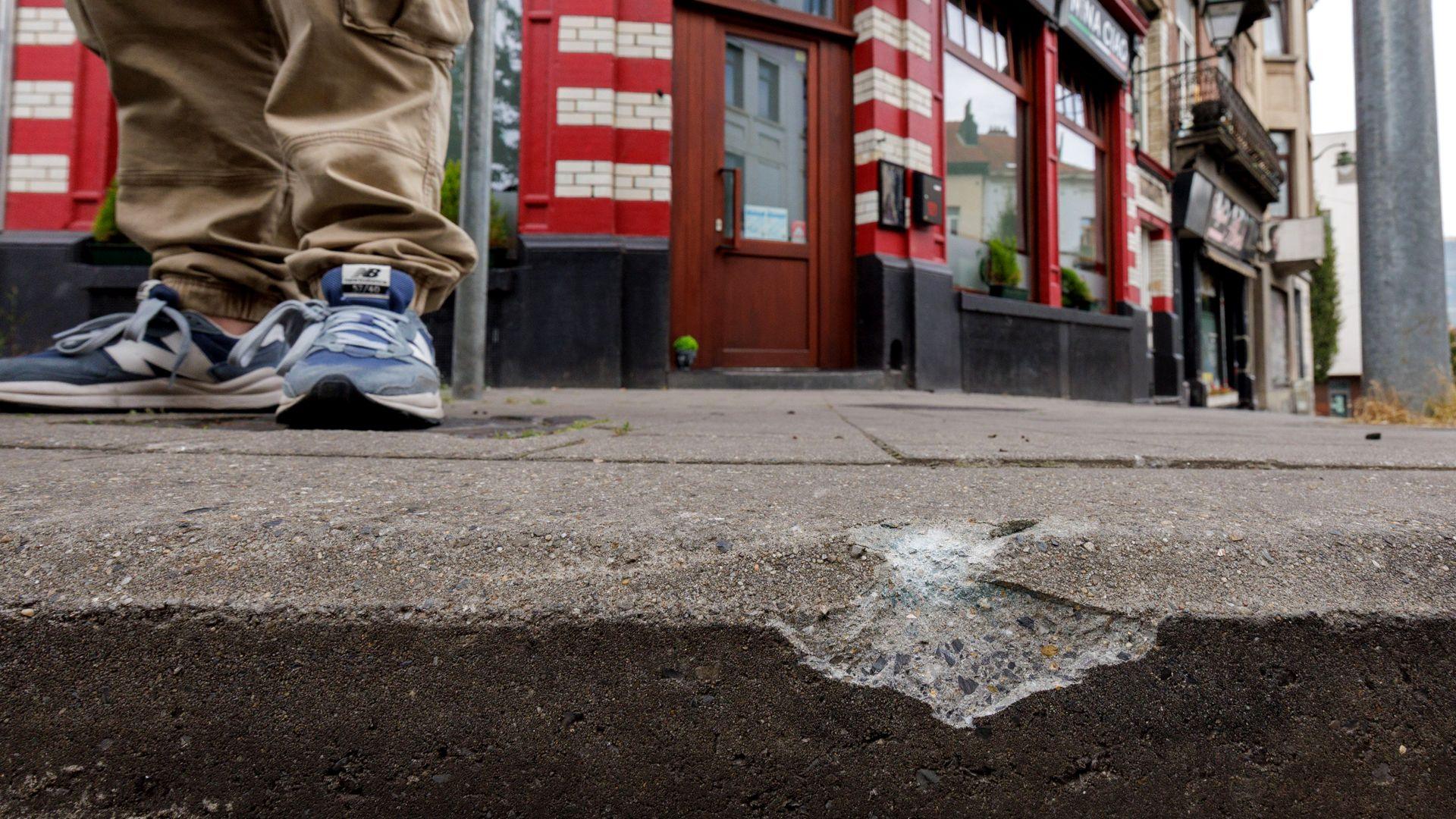
On Monday night, a group of rival drug gangs forced their way into Salvatore’s pizzeria in St Gilles. The restaurant’s owner described the scene: the front terrace could not be used safely because of bullet impacts, and the building interior was riddled with gunshot marks that shook the windows.
Salvatore said, ‘It feels like an American gangster movie; this must stop.’ The pizzeria is located on a small square that also serves rail passengers from Midi station, adding a layer of public pressure on authorities to respond.
A neighbouring resident, Murielle, 70, noted that violence had escalated: the previous day a suspected dealer had been shot in the leg on the same spot, and she now sees a “pool of blood” still drying in her garden. She says, ’We used to feel safe; now the street feels like a war zone, and houses are losing value.’
According to the Brussels South Police Chief, Jurgen de Landsheer, the city now experiences more than 200 drug‑dealing points, each potentially generating up to €50,000 per day for traffickers. He stresses that the problem is money‑driven, and that young people, sometimes as young as 12, are being recruited to carry out violent acts in exchange for short‑term earnings.
The violence bears a close resemblance to the situation in Marseille, where gangs use high‑powered weapons like the AK‑47. de Landsheer warns that Brussels is not yet at that level, but one police station was attacked last weekend when men on scooters fired several rounds at a police door.
Brussels’ interior minister announced that an extra 40 police officers would be deployed to the most affected neighbourhoods. de Landsheer would emphasize that simply increasing police presence is not sufficient: ‘We need prevention over repression; we can do our part acting on streets, but society must give young people a future.’
Brussels’ problem is part of a larger European network: the port of Antwerp, just 40 kilometres away, has seen record cocaine seizures, while Antwerp’s customs and sniffer dog teams tackle the flow of drugs into the continent. The rise in local shootings highlights how a global supply chain can spill over into local violence.
The community is determined to resist fear: Murielle says, ’We will not be intimidated; we’ll keep living and protecting our lovely neighbourhood.’ The government’s call for additional officers is only a start.; but experts continue to suggest that lasting peace will come from addressing the underlying economic and social conditions that drive these gangs.