Russia’s recently upgraded Geran‑3 jet‑powered drones have been fired daily across Ukraine, marking a pivotal shift in the military aviation landscape of the ongoing conflict. According to data released by the Ukrainian Air Force to BBC Verify, the daily use of these rapid drones became apparent in August, a first for the conflict.
The numbers illustrate the change: from 350 attacks in June to 1,600 in July and a staggering 2,800 in August. In five of those nightly sorties, the Geran‑3 outnumbered older, slower models. The speed—more than 300 mph—places them beyond the reach of many Ukrainian interceptors and further complicates the defence of densely populated cities such as Kyiv.
“The reason for turning to jet‑powered drones is that they are much faster than the previous generation and it makes it much more difficult for Ukraine to intercept them,” explained Dr. Marina Miron, a military technology expert at King’s College London. The engines powering the drones are reportedly turbojets sourced from China, enhancing both speed and manoeuvrability.
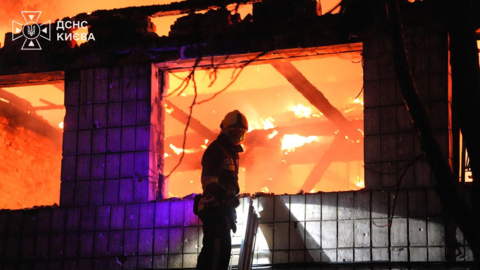
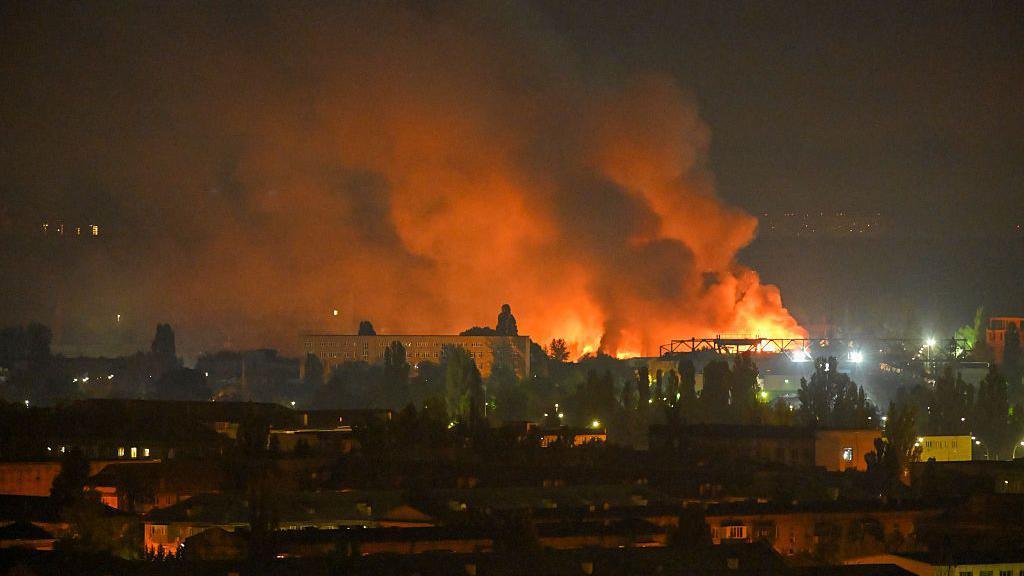
President Volodymyr Zelensky condemned the increased use of these drones as an “unfolding horror” over Kyiv’s skies, citing an attack on September 1 that killed 12 people—including six railway workers—and injured 20 more.
Faced with a new threat, Ukraine’s defence ministry has accelerated the development of thick‑winged interceptors. Four local firms are testing missiles designed to down the Geran‑3, with the Ministry demanding thousands of units ready as soon as possible.
Analysts argue that the heightened attributes of these drones move them closer to cruise‑missile behaviour. John Hardie of the Foundation for Defense of Democracies noted, “Long‑range one‑way attack drones are basically a poor man’s cruise missile.” The distinction, however, remains blurred since the drones carry smaller warheads and are more vulnerable to jamming.
Satellite imagery indicates that Russia is adapting its launch infrastructure to accommodate the new drones. A new base in Oryol’s Tsymbulova has longer rails and multiple launch sites, suggesting an expanded operational footprint for Geran‑3 strikes.
The rise in compound attacks—serial combinations of tens of drones with ballistic missiles—has pushed Ukraine to adjust its interception strategy. While ballistic missile interceptions fell through July, Ukraine started temporarily suspending data publication on interceptions in August, a sign that the broader attacks are overwhelming existing defenses.
Overall, the transition to jet‑powered drones marks a new intensification in the drone warfare component of the Russo‑Ukrainian conflict, accentuating the need for upgraded intercept technology and reshaping the strategic calculus for both sides.