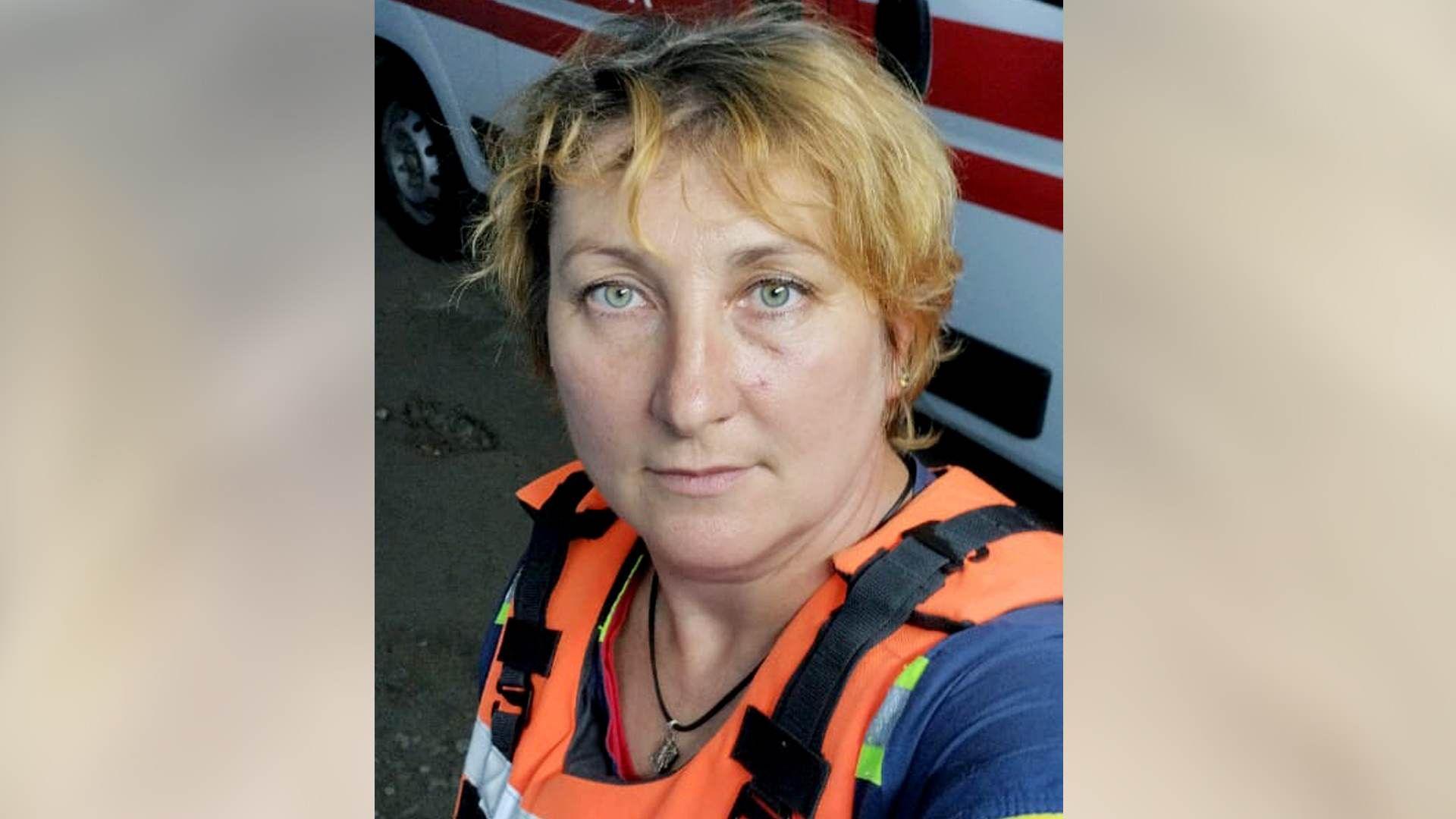
In a striking example of the lethal use of drone technology in the Ukraine war, the paramedic Inna Lytvynenko recounts being pursued by a first‑person‑view (FPV) drone after her ambulance was struck in Kherson.
When the green, bright‑orange‑armoured ambulance was hit by a Russian drone, Lytvynenko heard a buzz overhead and saw a second FPV drone heading straight toward her. "I panicked. I grabbed my trauma bag and started running," she told reporters, saying she knew the only chance was to flee the danger zone.
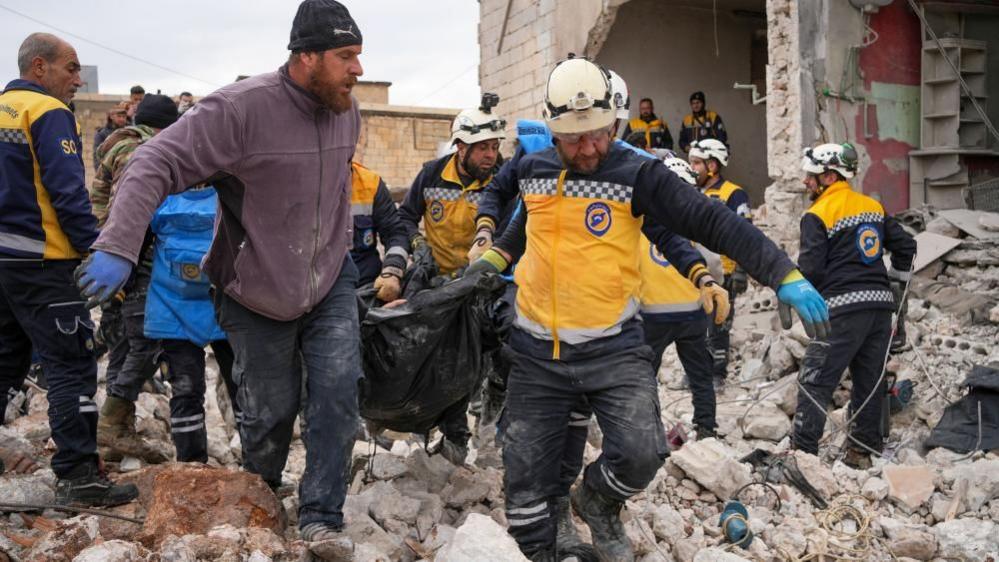
The "safari hunting" phenomenon has increasingly made headlines; multiple ambulances and other medical vehicles have been struck in succession, and Moscow is accused of deliberately targeting first responders.
The World Health Organization (WHO) reports 3,118 attacks on healthcare sites since the February 2022 invasion, with 20% of those offensive aircraft strikes aimed at ambulances. MSF (Doctors Without Borders) has documented intentional attacks on hospitals and medical infrastructure, arguing such strikes violate the Geneva Conventions.
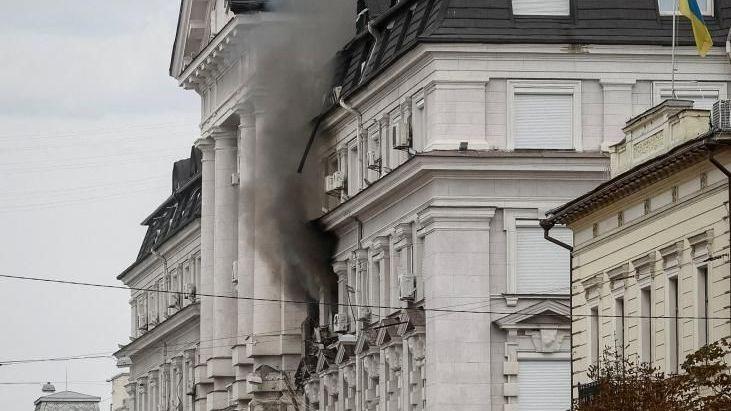
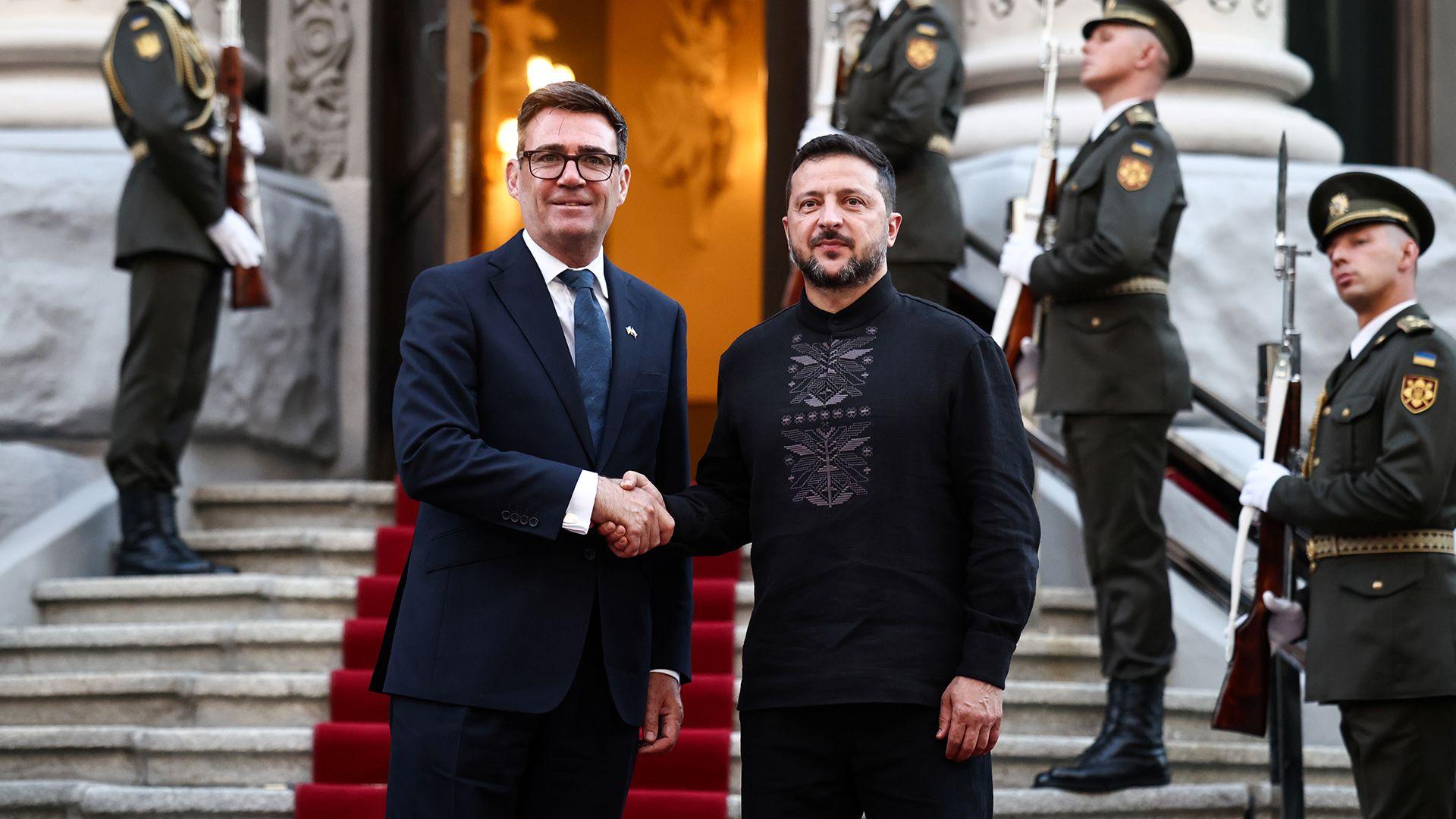
Zelensky's call for greater pressure on Russia follows the pattern: after a "double‑tap" strike on Kyiv that killed civilians, Ukrainian officials accuse Moscow of adopting a systematic strategy to neutralise medical support, deepening suffering for civilians at the frontline.
The escalating reach of FPV drones forces medical groups such as MSF to retreat far from the front lines; in some cases ambulance services have been suspended for safety reasons. "We don't feel that the rules of war are being respected," says a MSF coordinator.