In brief
In San Antonio, a citywide initiative provides free preschool for low-income children, addressing the disparity in educational readiness. This program, known as Pre-K 4 SA, aims to bridge the gap for families who face economic challenges and lack access to quality early education.
SAN ANTONIO — Sandra Mosqueda watched with delight as her 2-year-old son, Atreus, busily swept the floor with a tiny mop, embodying the exuberance of childhood. He is among the first cohort benefitting from a pioneering preschool initiative in San Antonio, Texas, aimed at providing free early education for infants and toddlers.
This program, Pre-K 4 SA, was launched to ensure that low-income families have equal access to high-quality early learning experiences, addressing the growing disparities in kindergarten readiness observed nationally. Mosqueda reflects on her own childhood where starting preschool at such a young age was a luxury not afforded to her.
The importance of the early years for a child's development cannot be overstated. Research indicates that these formative years set the groundwork for future academic achievement and life skills. Unfortunately, a stark income gap remains in educational preparedness; recent data from the National Survey for Children’s Health reveals that while two-thirds of children nationwide are set for kindergarten, a 20% readiness gap exists between the wealthiest and poorest families.
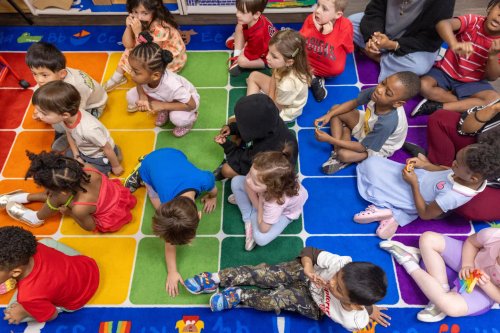
San Antonio's Pre-K 4 SA program primarily serves low-income and working-class families. Offering 2,000 preschool places, with over 80% free for those who qualify, it aims to alleviate the burden of educational costs, especially as childcare expenses continue to escalate.
While low-income children have historically had less access to educational resources, trends indicate a gradual improvement. Programs like Pre-K 4 SA have demonstrated success, with children from this initiative performing above the state averages in literacy and mathematics after completing kindergarten.
Pre-K 4 SA emphasizes a holistic approach to education, focusing not just on cognitive skills but also on social-emotional development. The curriculum encourages children to engage in cooperative play and develop essential life skills alongside academic knowledge.
The program stands as a model for similar initiatives across the nation, emphasizing high-quality early education as a viable path to reducing inequities in educational outcomes among children of varying socioeconomic backgrounds. Yet, despite its successes, systemic gaps remain, with a waitlist of over 1,600 families hoping to gain admission.
Ultimately, programs like these reflect a crucial investment in the future, equipping all children, regardless of income, with the tools needed for academic and life success. Mosqueda sees this support as pivotal, allowing her not only to focus on her children's education but also to pursue her own career aspirations as a respiratory therapist.