In brief
The Saudi‑led coalition carried out a targeted strike on a fuel depot near the Houthi‑controlled capital of Sanaa, alleging it fuels missile and drone attacks. Houthi officials warned of retaliation against Saudi airports and Aramco facilities. The incident follows recent Saudi air raids that killed civilians at King Khalid International Airport. Meanwhile, conflict‑driven displacement and rising cholera cases continue to strain Yemen’s fragile health system.
The Saudi‑led coalition has carried out a strike on a fuel depot near the Houthi‑controlled capital of Sanaa, according to a spokesperson for the coalition. Military officials said the target was used by the Yemen Petroleum Company to supply the Houthi forces’ missile and drone campaign.
Marking it as a “special operation”, the coalition warned civilians to leave the area ahead of the attack. Houthi media reported that the site had already been struck, a claim the coalition confirmed only after the strike had taken place.
In response, Houthi leaders have threatened to hit Saudi Arabia’s key infrastructure, including the King Khalid International Airport and Aramco’s refinery and headquarters in Riyadh and Dammam, respectively. The threats come on the back of two recent missile strikes that killed 13 civilians and 1 more the following day at the airport.
The coalition’s air force has also destroyed a trio of drones north of Riyadh, further escalating tensions between the two sides. This surge in operations follows a quickening of Saudi strikes on Houthi‑held territory, especially along the Red Sea coast.
The Yemen conflict began in 2014 when the Houthis overran the presidential capital, provoking a Saudi‑backed intervention in 2015 aimed at restoring the internationally recognized government. A fragile ceasefire collapsed in July 2026 after the Houthis launched new maritime and aerial attacks against Saudi shipping lanes and facilities, de‑briefing a broader maritime embargo that the Saudi coalition blames for heightened unrest.
The conflict has had a devastating humanitarian toll: at least 54 civilians, half of them children, have been killed since August, and more than 216,000 people have been displaced. The United Nations reports a sharp rise in cholera cases, with numbers tripling over three weeks from 217 to 647.
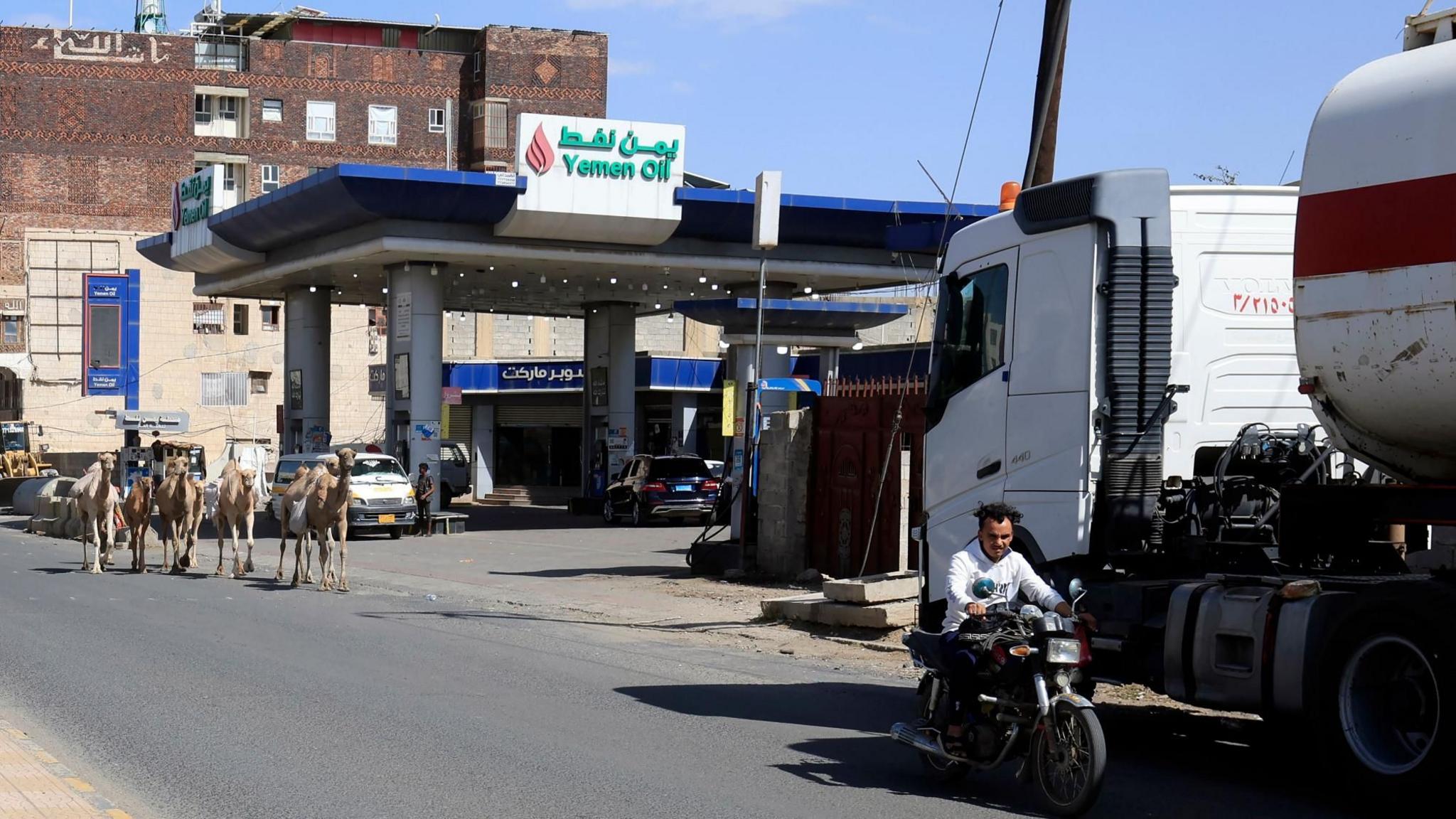
Amid the ongoing hostilities, residents of Sanaa have worried about fuel shortages after the coalition warned of an impending strike, but the Yemen Petroleum Company has insisted the facility holds no petroleum stock. Nevertheless, fear and uncertainty remain high as the two sides continue to exchange attacks in a fragile ceasefire that is increasingly in jeopardy.