In brief
Malaysia’s ambitious Forest City project, once touted as a $100bn smart‑city miracle, remains largely uninhabited after the COVID‑19 slump and economic downturn. In a July crackdown, police seized assets and detained 335 suspects linked to cryptocurrency‑fueled investment and love‑scams operating from two call‑centre hubs within the complex. Experts say the empty skies and high‑tech infrastructure make Forest City an attractive crime‑conduit, while residents called it a “ghost town” that has, paradoxically, become a haven for fraudsters.
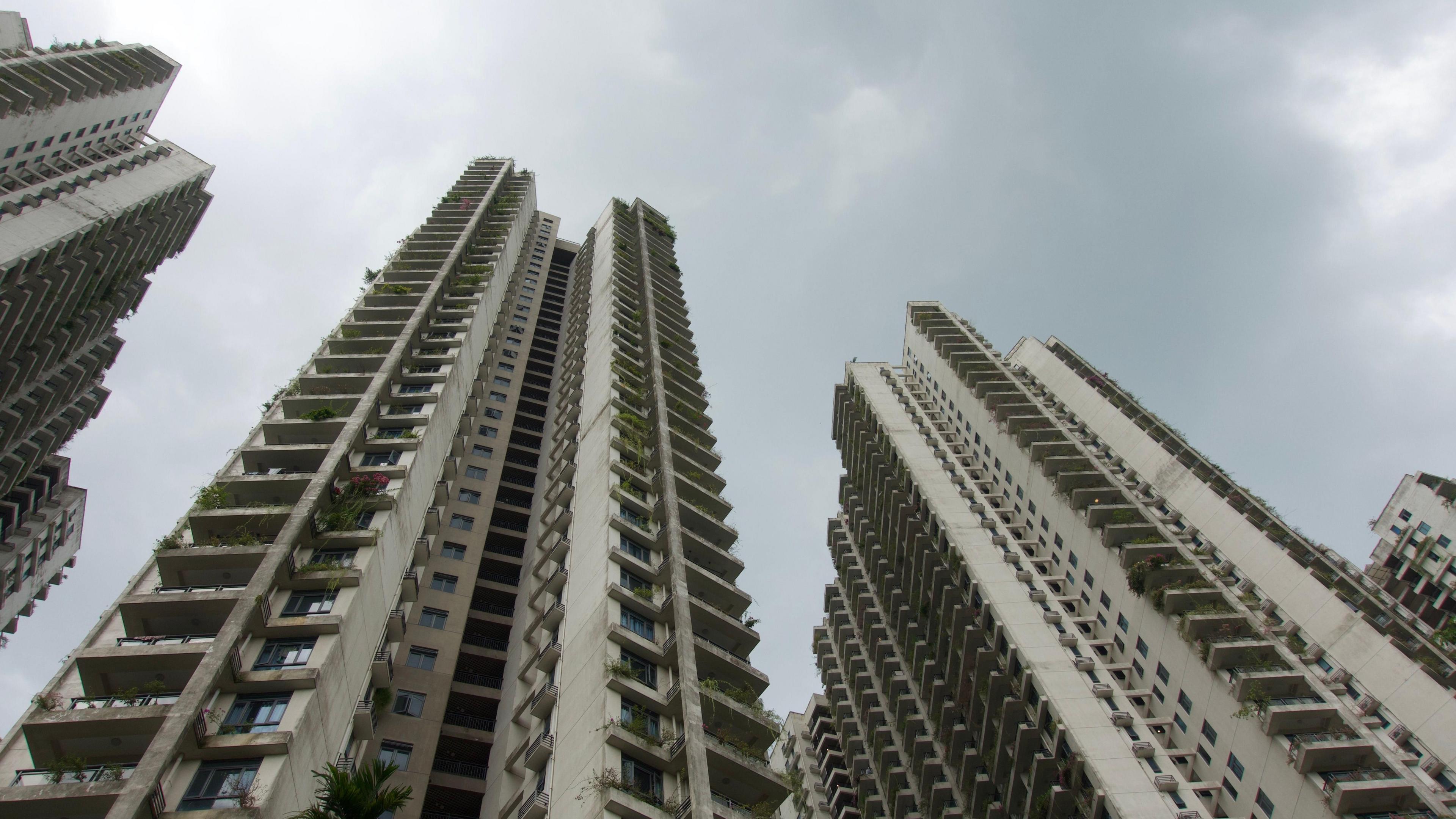
From a distance, Forest City – a 14‑square‑kilometre artificial island on Malaysia’s southern coast – looks like the product of a futuristic 3‑D printer, a string of identical white blocks clustered against a mostly nondescript shoreline.
Unveiled in 2016 by Chinese developers, the $100bn mega‑project promised a “dream paradise for all mankind”, a special financial zone that could accommodate up to 700,000 residents and include high‑end hotels, a golf course and a water park. A decade on, the complex is inhabited by less than one percent of its projected population, with empty towers and dust‑filled apartments signalling a looming ghost city.
In mid‑July, Malaysian police raided two alleged scam operations spread across 32 premises in Forest City, arresting 335 people and seizing assets worth about one million ringgit (roughly £181,800). The seizure included 313 computers, 1,557 mobile phones, 17 laptops, and 10 modems. The two call‑centre hubs – one occupying 27 apartments across five stories of a residential tower, the other spread between five bungalows – were used by cryptocurrency syndicates for investment and love scams targeting victims abroad.
Those arrested comprised 309 Chinese nationals, 19 Indonesians, three Malaysians and four Myanmar nationals. Police chief Ab Rahaman Arsad said investigators were cooperating with Interpol to locate the mastermind behind the operations, but the complex’s quiet streets did not deter the scammers’ sophisticated operations.
Experts say the appeal of Forest City lies in its modern infrastructure, large numbers of vacant properties, and international connectivity. “Developments like this offer precisely what syndicates look for: modern infrastructure wrapped in the veneer of legitimate economic activity,” said John Wojcik, an analyst at TRM Labs. The subtle integration of scam operations into a seemingly legitimate commercial environment makes detection harder and allows criminals to amass significant profits.
Local residents expressed resigned indifference. One tenant said fake scams were an “open secret” and shaken his neighbors out of the need to guard against fraud. “I’m not bothered – it’s not my business,” he told the BBC. Others, like tech‑worker Phillip, noted more people were moving into the complex as “the lights on in the condos” improved, yet he warned that the influx of new residents would not change the fact that scams could be operating “on my doorstep.”