South‑west France Wildfires: Air Operations, Home Defenders, and Volunteer Efforts
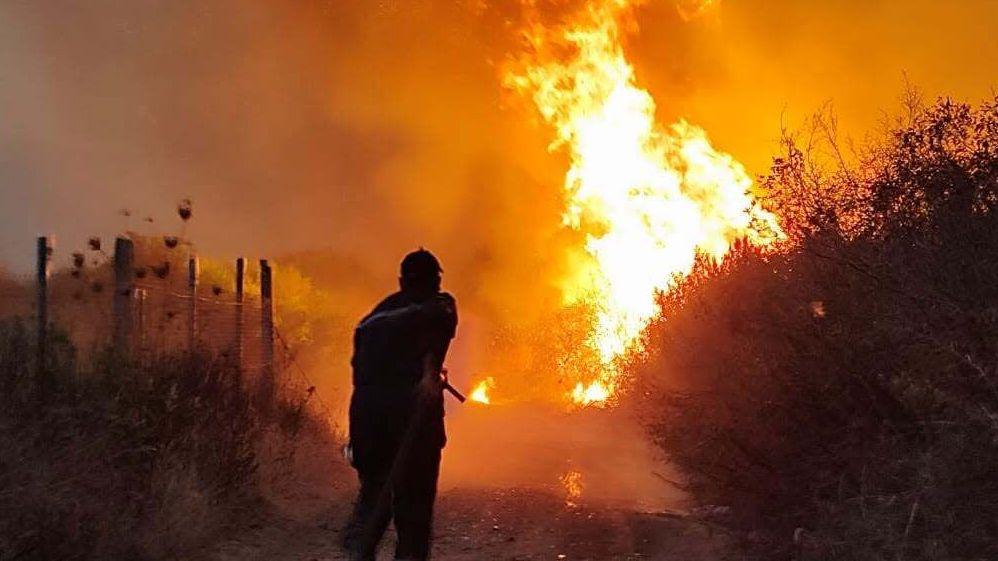
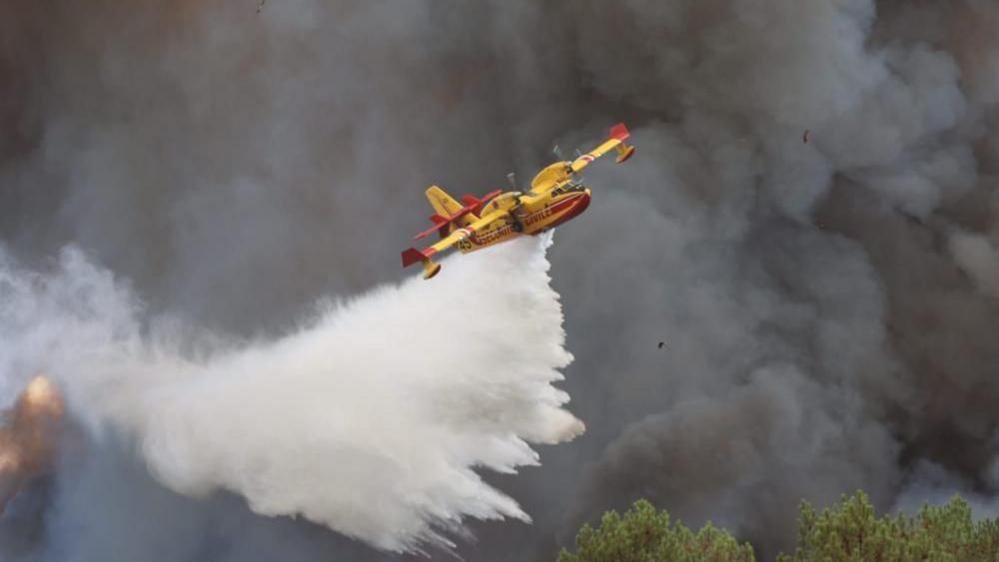
On 29 July, the Gironde region endured an unprecedented confluence of heat‑driven fires and an intensive aerial firefighting effort. Three Canadair aircraft arrived in formation, each carrying more than 1,000 gallons of water, and dumped massive drops onto flames that had surged across the Saône estuary. Helicopters soon followed, spraying red fire‑retardant as the heatwave pushed temperatures toward 40 °C.
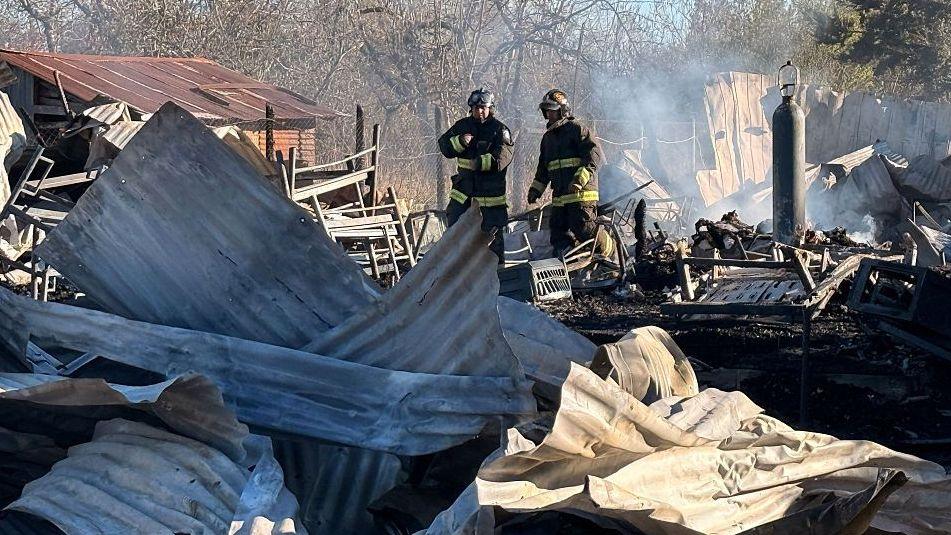
While the aviation component handled the blaze’s most aggressive fronts, ground crews tackled smaller, yet still dangerous flare‑ups. Firefighters forced their way through the forest to establish fire lines in areas that had been closed off from civilian access, all while coordinating with a national network of volunteers.
A human element underlined the tragedy. Pierre Alexandre, a resident of Le Temple, told journalists he refused to leave his bungalow when following police evacuation orders. His son let him stay, and later, Pierre’s account of the fire’s jump to the woodland beside their home illustrates the unpredictable nature of the fires. "We’re not firefighters," he admitted, underscoring that local citizens participated on a voluntary, non‑professional basis.
Volunteer participation spanned a range of roles. Hugo, a 26‑year‑old who had returned from Bali, spoke of filling his water tank and driving into burn zones. Nurse Maëlys, aged 23, balanced hospital duties with evening attempts to douse fire‑prone vegetation. Their stories reflect the broader community’s resolve: “It’s our home, our forest, the place where we grew up,” she said.
Containment now relies on a technique dubbed “noyer,” or drowning. Teams water the soil to reduce flammability and prevent the next spike in fire activity. Despite these efforts, the scale remains daunting: reports indicate that fifty thousand hectares may have already been destroyed.
Moving forward, authorities continue to monitor the spread, evaluate the effectiveness of aerial drops, and coordinate additional volunteer forces. The story exemplifies how crisis response can cross boundaries—from professional firefighting to civilian bravery—while also highlighting the stark environmental challenges posed by prolonged heatwaves.