As he left the chambers of the U.S. Supreme Court following arguments on Monday concerning the counting of mail-in ballots received post-Election Day, Nevada Secretary of State Cisco Aguilar prepared his staff for a significant adjustment in planning for the upcoming midterm elections. The implications of the court's decision, expected in June, could be far-reaching for election protocols.
Aguilar, a Democrat, emphasized the challenge of rapidly educating voters about potential changes in the election process. He noted that effective election planning takes considerable time and resources—factors which may be hampered if last-minute changes are mandated.
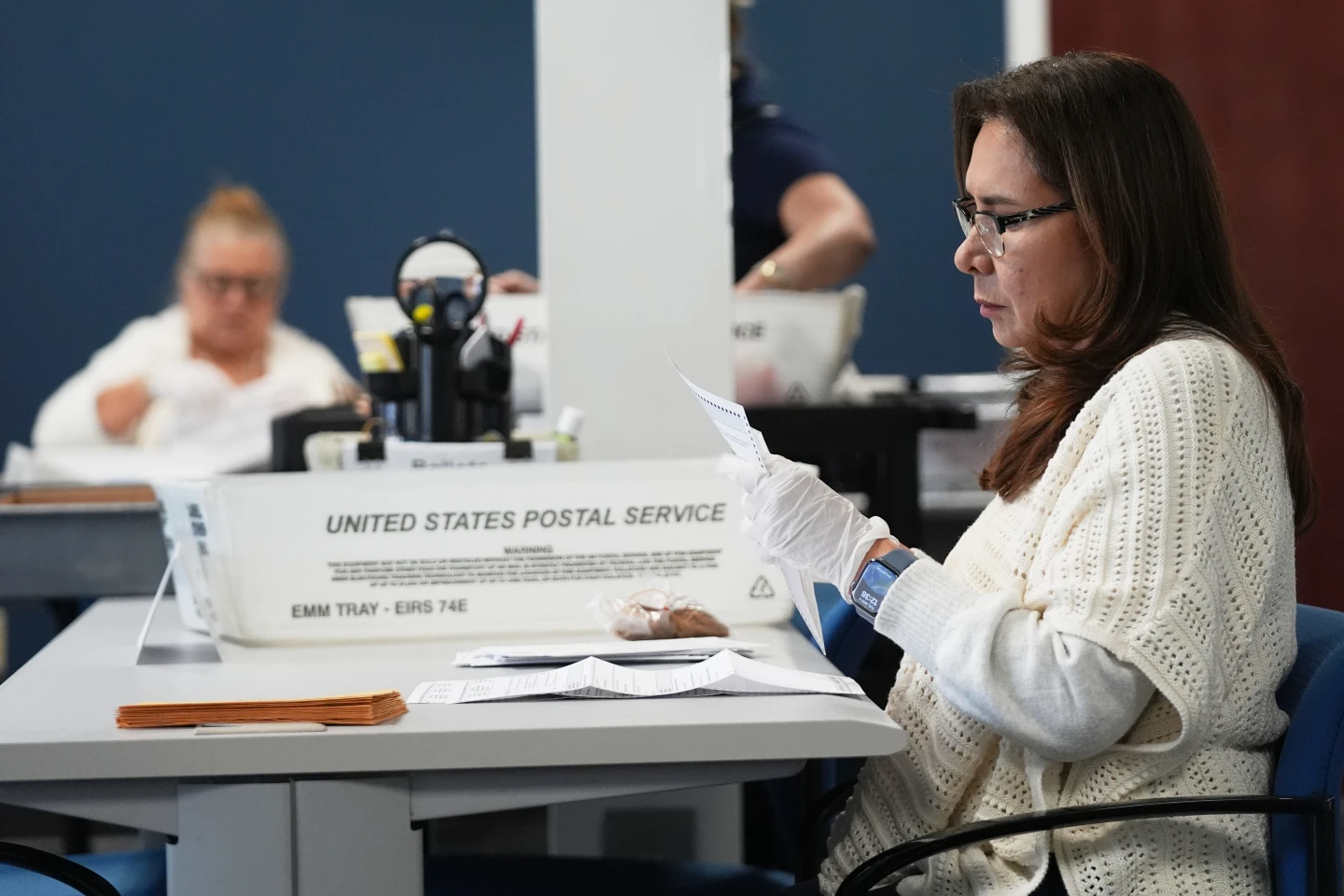
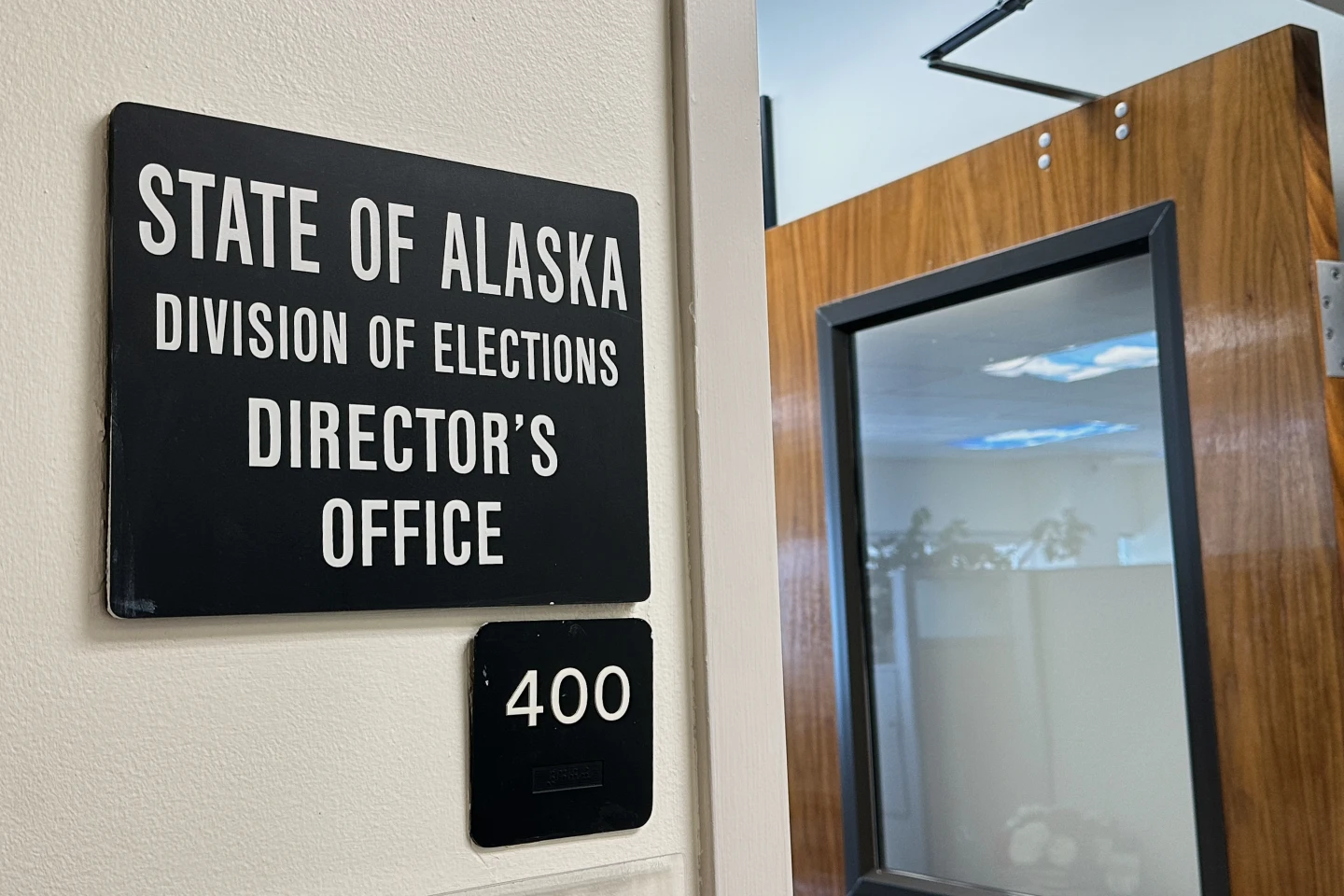
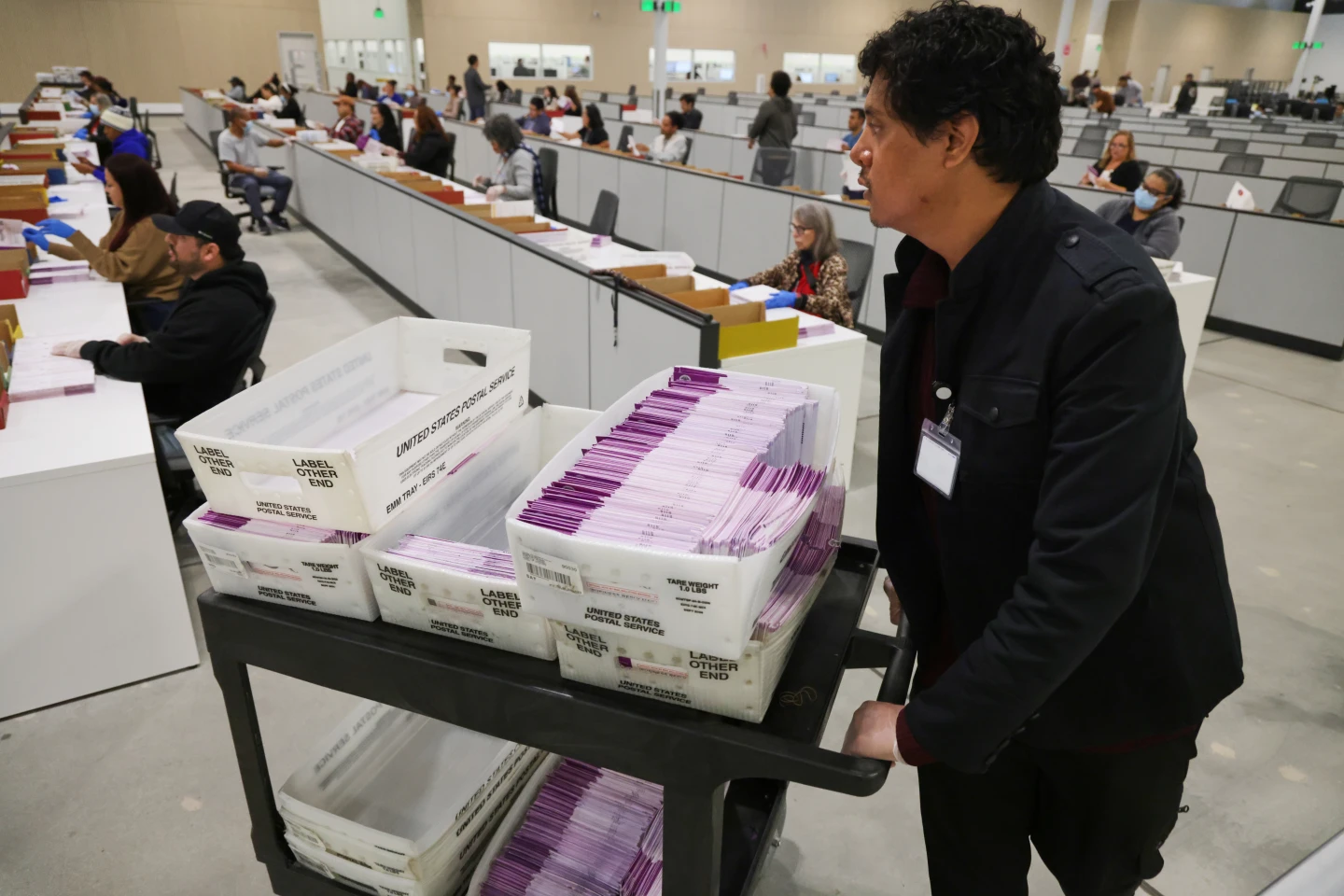
Nevada, along with 13 other states, currently allows for mail ballots sent by Election Day to be counted even if they arrive days later, and their officials anxiously observed the court's proceedings. The arguments featured skeptical questions from conservative justices regarding the rationale behind maintaining such grace periods. Conversely, states like Illinois and Alaska have similar provisions that could be influenced by the outcome.
Mail-in ballots have become a focal point of debate and controversy, particularly following former President Donald Trump's claims that they contributed to his 2020 election loss, claims which have been widely debunked. Recent litigation from the Republican National Committee (RNC) seeks to overturn laws that facilitate counting ballots received after the election deadline, a matter now in the hands of the Supreme Court.
During the nearly two-hour arguments, concerns were raised about the timing of the ruling and the ability of election administrators to implement changes effectively. Experts warned that sudden modifications could lead to confusion among voters, particularly affecting segments like rural constituents who rely heavily on mail services.
Many election officials have already printed educational materials reflecting current laws, and unexpected changes could necessitate costly updates. Those responsible for managing elections stress that any adjustments should allow sufficient time for all voters to be informed accurately about new requirements.
The stakes have been heightened by a national trend of legislative changes regarding election laws, a response to heightened scrutiny from various political factions post-Trump's tenure. Election officials warn that if the court decides to overturn established practices, the ripple effects on voter participation and administrative efficiency could be profound.
With midterm elections approaching, the uncertainty surrounding mail-in ballot regulations poses significant concerns for election officials like Aguilar as they prepare to navigate a potentially shifting legal landscape.