In brief
The United States is witnessing a sharp uptick in overdoses driven by homemade synthetic drugs, notably fentanyl blends with xylazine and medetomidine. Veteran Mike in Columbus illustrates the danger: small amounts of these potent mixtures can be lethal, resisting reversal with naloxone. Recovery groups such as Hope Dealers and Liv4Lali highlight growing public‑health challenges, offering test strips and support amid rising mortality among Black men and stimulant users. Meanwhile, law enforcement confronts novel smuggling tactics, from paper‑soaked drugs to in‑jail inhalation hacks, underscoring the need for treatment‑centred strategies.
Hard‑hit communities in Columbus, Ohio, and across the country feel the sharpened bite of chemically engineered street drugs. The opioids are manufactured in home laboratories and mixed with animal tranquilizers such as xylazine and medetomidine, substances that blunt naloxone response and cause severe skin ulcers.
Veteran’s story
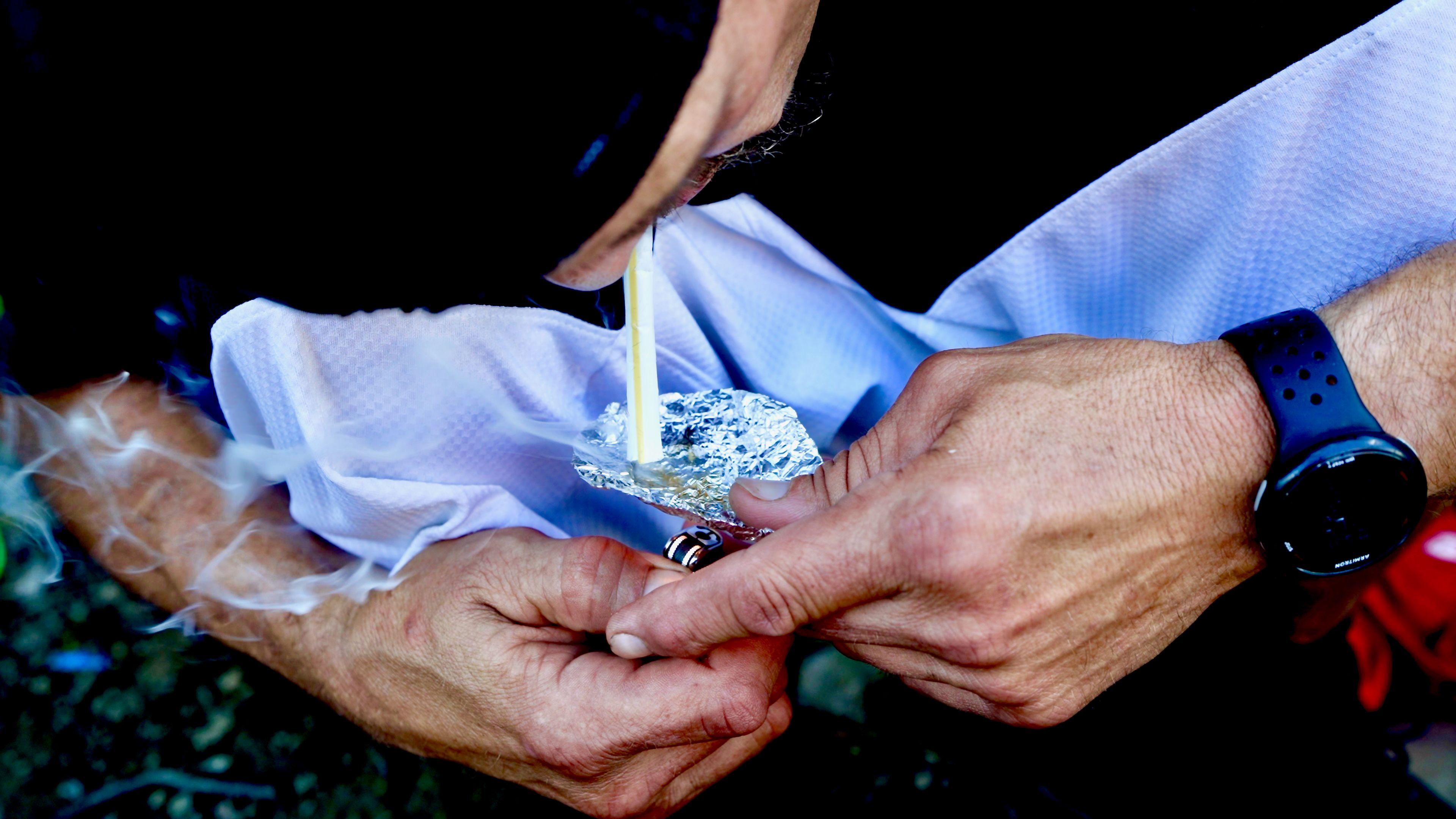
Mike, a 48‑year‑old Army veteran, lights only a few grains of fentanyl on a folded foil and inhalation delivers a powerful knock. He says, "This drug will damn near make you do anything, unfortunately." The tiny dose, costing $3–$4, can bring a fatal overdose that medication fails to reverse. Researchers confirm his suspicion: test kits carried by Mike exposed medetomidine alongside fentanyl.
Recovery groups
In Columbus, the Hope Dealer Community meets weekly, while Chicago’s Liv4Lali distributes test strips that check for fentanyl, xylazine, and other adulterants. Their broadcasts portray survivors—like Tonya, who lost her nephew to a fentanyl‑spiked crack injection—as they testify to the dangers of mixed drugs. Leaders argue that treatment access must expand to match supply‑side innovation.
Law‑enforcement challenges
Cook County Sheriff Tom Dart notes a spike in jail overdoses linked to paper‑based synthetic inhalants. Officers now tangle with moist letters soaked in drugs, scanning and burning them to prevent distribution. The rise of home‑made chemistries means authorities cannot rely on border enforcements alone; the remedy lies in halting the creation and reinforcing addiction treatment programs.
Broader impact
Black men in Ohio experience rising deaths, and stimulant users gamble with hidden opioid cocktails. The U.S. is still experiencing roughly 70,000 overdose fatalities annually, a steep decline from 110,000 in 2022 but far from over. Criminal‑barrier tactics have not outpaced synthetic‑drug producers, who adapt with ever‑changing formulas and distribution tricks such as paper soaked constructs.
The war on drugs must therefore pivot from solely supply reduction to a holistic approach that prioritises treatment and education—otherwise the nation will remain trapped in a moving‑target epidemic.