In brief
This article explores the multifaceted impacts and implications of former President Trump's first-term policies, focusing on specific examples ranging from Ukraine to economic decisions.
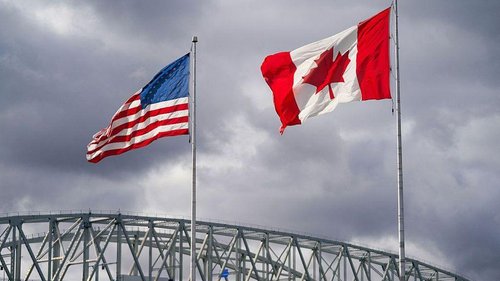
Former President Donald Trump's first term in office was marked by a series of policy initiatives that significantly shaped U.S. domestic and international landscapes. Among the most complex were his approaches toward Ukraine, which included contentious decisions regarding Crimea, economic tariffs, and the ever-evolving political alliances, all of which have had lasting implications. Trump’s policies on Crimea drew attention worldwide, especially as the situation in Ukraine intensified over his presidency. His administration's fluctuating stance has left experts debating whether his maneuvers constituted a strategic approach or a withdrawal from previous commitments. Critics argue that his actions signaled a retreat from supporting global democratic norms while proponents claim it was an effort to reassess U.S. foreign commitments. One significant policy during Trump's first term was tax reform, which, while aimed largely at stimulating the domestic economy, inadvertently complicated the competitive landscape for Chinese companies. As tax loopholes faced modification, the ripple effects were felt across international markets, leading to tensions in U.S.-China relations. The ultimate outcomes of these tax changes have fueled discussions among economists about their long-term viability and repercussions. Similarly, Trump's trade relations with Canada entangled him in a web of electoral implications, particularly surrounding discussions of tariffs and economic dependencies. The disrupted balance of trade led to concerns not just about economics, but about the socio-political ramifications of such a polarized environment. In domestic affairs, the administration's approach to climate research funding drew considerable debate. Investigations into funding cuts revealed concerns over potential impacts on public health, illustrating the nuances in balancing economic growth with environmental sustainability—a contentious theme in contemporary politics. Overall, Trump's first-term policies encapsulate a blend of opportunism, bold moves, and political maneuvering that continues to elicit strong reactions across the political spectrum. The varying interpretations of his actions highlight fundamental differences in understanding governance in the modern era. The challenges these policies brought forward will likely influence future administrations as they navigate the complex landscape forged during his presidency.