In brief
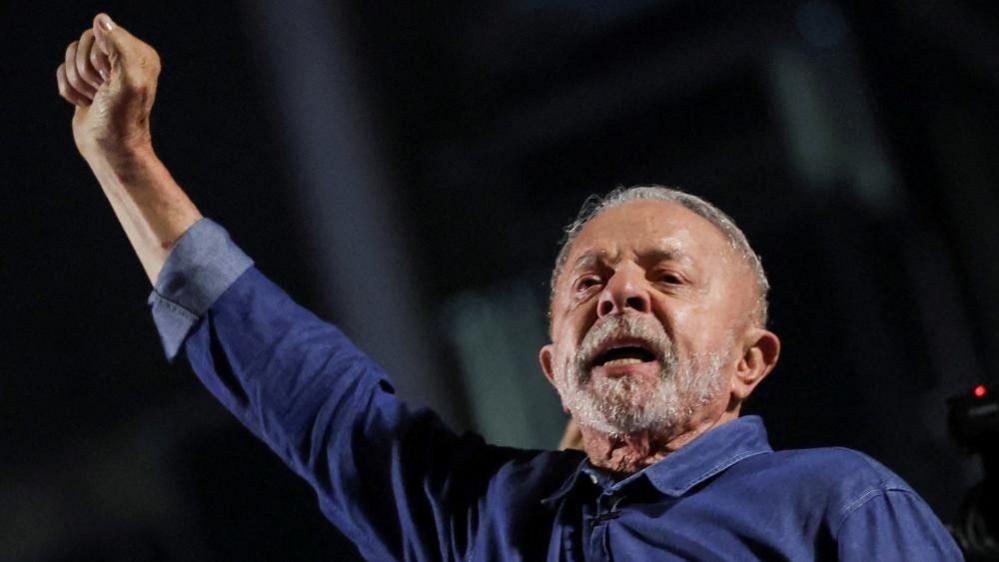
Luiz Inácio Lula da Silva, whose journey from a poverty‑ridden youth to Brazil’s first leftist president in half a century has been marked by both triumphs and controversies, has secured a fourth term amid a divided nation. His first two administrations saw record social spending and a substantial reduction in poverty, but critics point to unfinished structural reforms and questions about long‑term economic stability. Internationally, Lula’s stance on trade with the United States, ongoing relationships with Russia and China, and his role within the BRICS alliance reflect a shift toward multipolar engagement and a desire to challenge traditional Western dominance.
Luiz Inácio Lula da Silva, whose career began as a laborer and union activist, has once again been elected President of Brazil, marking a historic comeback in a nation increasingly polarized along ideological lines.
Born into an illiterate peasant family, Lula sold peanuts and shined shoes in his early years, learning to read at the age of ten. An accident in the 1960s led to the loss of a finger, but did not deter his engagement in trade‑union work. By 1975 he had become the leader of Brazil’s Metalworkers’ Union, and in 1980 he helped found the Workers’ Party, a key vehicle for left‑wing politics.
Lula’s first presidential term (2003‑2010) is credited with substantial social programmes, notably a dramatic expansion of a family grant scheme that reached 44 million people and contributed to a decline in the country’s historic inequality. Economic growth during that period was the longest sustained boom in three decades, bolstering his credibility.
However, the Operation Car Wash scandal, a deep investigation into corruption, ultimately resulted in Lula’s conviction for corruption and a subsequent prison sentence. He remained imprisoned for 18 months before a Supreme Court ruling declared the confinement illegal, leading to the annulment of his convictions in 2021 and allowing him to run again in 2022.
When he returned to office in 2023, Lula declared that this would be his final term. Yet his party has pushed him forward as a candidate for another term in 2026, against a backdrop of intensified political opposition and concerns over his half‑century‑old policy legacy.
Internationally, Lula’s relationship with the United States has oscillated between confrontation and cooperation. He maintained a strained stance under the influence of the Trump administration, while later interactions at the White House in 2025 signaled a tentative diplomatic thaw. Trade tensions remain evident, with U.S. tariffs imposing obstacles on Brazilian goods.
Meanwhile, Lula has defended Brazil’s stance within the BRICS group and its continued purchase of Russian oil, even as Russia faces global isolation over its actions in Ukraine. He rhetorically challenges U.N. Security Council veto powers while seeking greater agency for emerging economies.
Environmental policy remains a mixed record. Critics argue that his approval of exploratory drilling near the Amazon contradicts conservation pledges, but official data indicate a recent reduction in deforestation, suggesting policy adjustments are underway.
As the nation grapples with the challenge of reconciling Lula’s comprehensive social agenda with the realities of a fragmented political landscape, observers worldwide anticipate how his leadership will shape Brazil’s trajectory in the decades to come.