Teenaged Guinea Student Dies After Sickle Cell Complications During Prison Detention

The father of a 17‑year‑old Guinean student who had sickle cell disease announced that his son died a few days after being arrested for cheating in a national exam, blaming prison authorities for the loss.
Mamadou Djouma Bah was taken to a hospital in Kindia after his health deteriorated while in prison. Officials say he died “under the care of his treating physician”, but the father argues that he did not receive good medical care while in detention.
"Dad, I’m dying," he reportedly told his father before passing.
Sickle cell disease, common among people of African descent, causes misshapen red blood cells that can block circulation and lead to painful crises and serious infections. While inflammation and low oxygen levels can worsen a patient’s physical condition, early treatment such as hydration, heat and antibiotics can reduce risks.
On 15 July, Bah was seized for allegedly using a phone during Guinea’s national school‑leaving baccalaureate. He was found guilty on 17 July and received a six‑month sentence, of which five months were suspended. He spent a month in the Kindia prison before his health faltered.
After being transferred to a regional hospital, he was discharged after two days but collapsed at home before passing, according to prosecutors. Education Minister Alpha Bacar Barry said he was “deeply saddened” and offered condolences to the family.
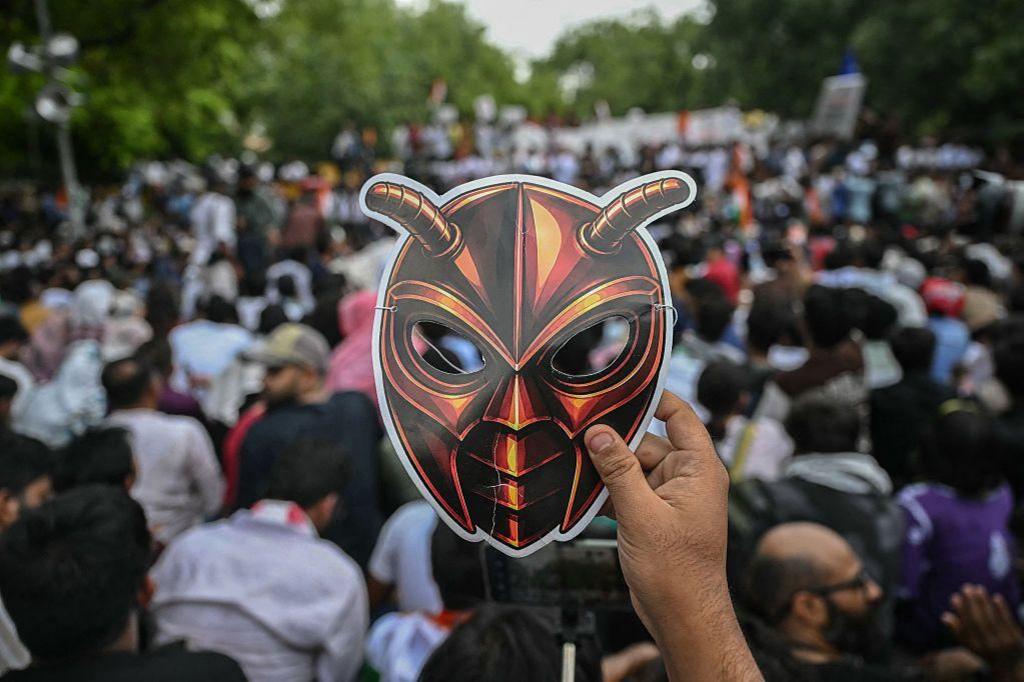
Human rights groups demand an independent investigation into these deaths and the treatment of students who were similarly detained. Students in Guinea staged demonstrations demanding their classmates’ release and citing the longer-term impact on the country’s youth.
For more information on sickle cell disease, see: What is sickle cell disease?